
Bitcoin pushed higher even as a policy fight in Washington raised fresh questions over how the United States could legally create and manage a Strategic Bitcoin Reserve.
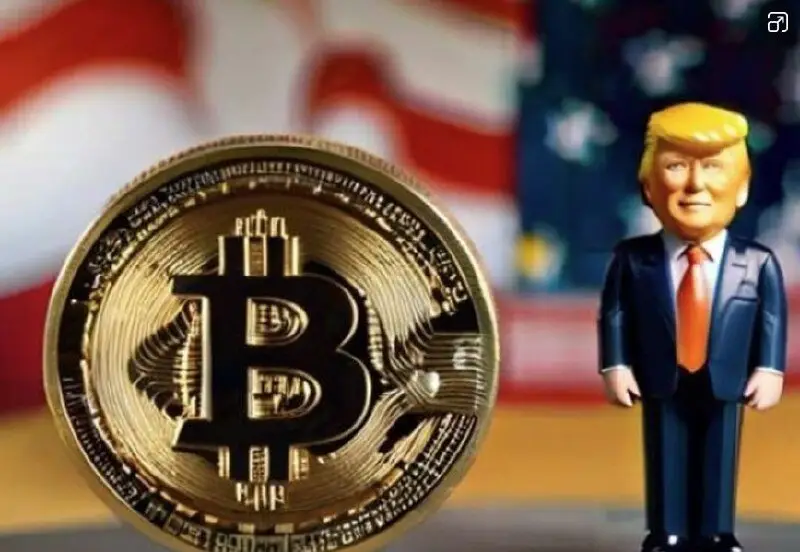
Bitcoin rises while Washington argues over control
A proposed US Strategic Bitcoin Reserve, one of the most ambitious pieces of Donald Trump’s pro-crypto policy agenda, has reportedly run into a bureaucratic obstacle: which federal agency should control it, and whether the structure would be legally durable.
The dispute centers on the Treasury Department and the Commerce Department. The original idea was for the reserve to sit inside Treasury and be funded partly by Bitcoin already seized or held by federal agencies, with the possibility of future accumulation. But questions over legal authority have led officials to consider whether Commerce could be a better home for the program.
The legal issue: can Bitcoin be held indefinitely?
The Justice Department’s Office of Legal Counsel is reportedly working with both departments to find a legally workable path. A key question is whether the US government can hold Bitcoin indefinitely, especially given the asset’s volatility and the fact that much of the government’s current stash comes from seizures across different agencies.
That legal question matters because Trump’s reserve concept is not simply about selling seized crypto. It is about turning Bitcoin into a long-term strategic asset, similar in political framing to a national stockpile. If the structure is weak, future administrations or courts could challenge how the holdings are managed.
Why traders are not panicking
Bitcoin’s reaction suggests traders are treating the reserve debate as a structural, long-term issue rather than an immediate market driver. The policy may influence future supply dynamics if the government formally commits to holding Bitcoin instead of selling it, but the timing remains uncertain.
For now, broader market momentum appears to matter more than the political delay. Even with reports of agency friction, Bitcoin managed to trade higher, showing that investors are not yet pricing the reserve plan as a near-term catalyst or a near-term threat.
The stakes: Washington is already a major Bitcoin holder
The US government already controls one of the world’s largest Bitcoin positions, estimated at more than $20 billion across agencies. Supporters of a reserve argue that past premature sales cost taxpayers billions of dollars and that a consolidated long-term strategy could strengthen the country’s position in digital assets.
Critics, however, may question whether a highly volatile asset belongs in a permanent government reserve. Bitcoin remains far below its previous peak, and any official reserve would create new political, accounting and risk-management challenges.
The bigger question is whether Washington can turn scattered seized holdings into a legally sound reserve that survives beyond one political cycle.
What to watch next
The next important signal will be whether the administration confirms which department will manage the reserve and how the legal structure will work. Traders should also watch whether the plan includes only existing seized Bitcoin or opens the door to future purchases.
If the government commits to holding rather than selling, the reserve could become a supportive long-term narrative for Bitcoin. If the legal process stalls, the market may continue to treat it as political noise rather than a concrete supply event.
Source: Rewritten and adapted from an InvestingLive report mirrored by FX Expert Funded. This article is for market news and education only, not financial advice.
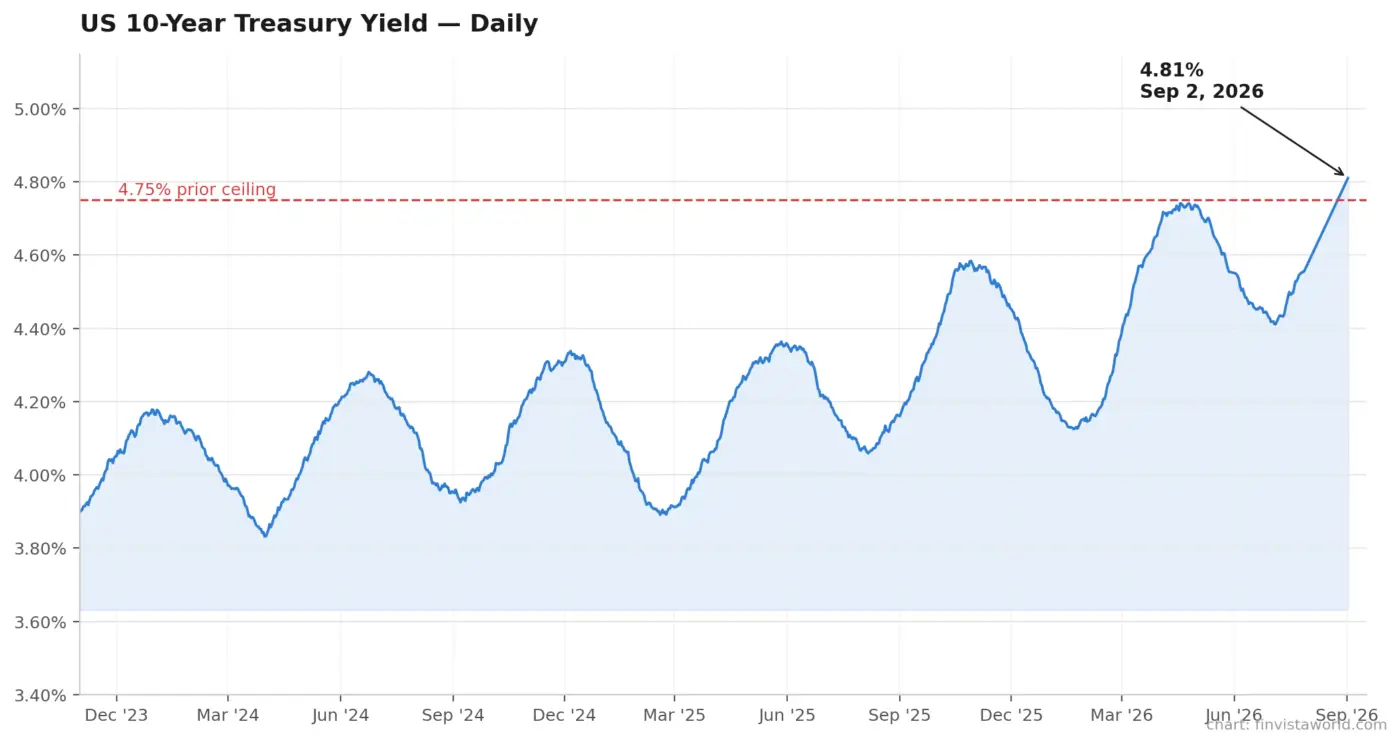 ADP Jobs Miss Collides With Rising Yields: Wall Street Stalls as 10-Year Hits 4.81%
 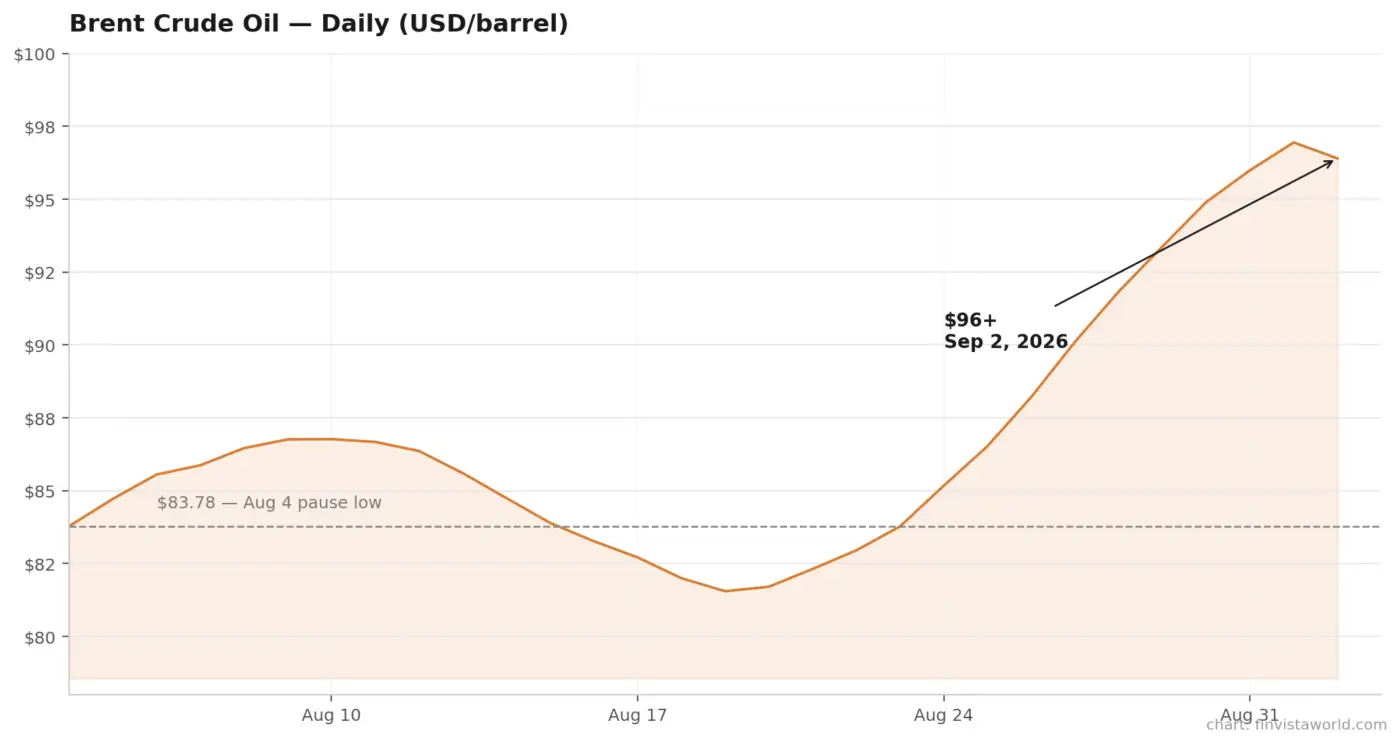 Iran War Reignites: Oil Tops $96, Stocks and Gold Slide Together as Fed Rate-Hike Odds Hit 70%
  Oil Sinks 6%, Dow Hits Record High as Iran Pause Reprices Markets – Crypto Sits It Out
 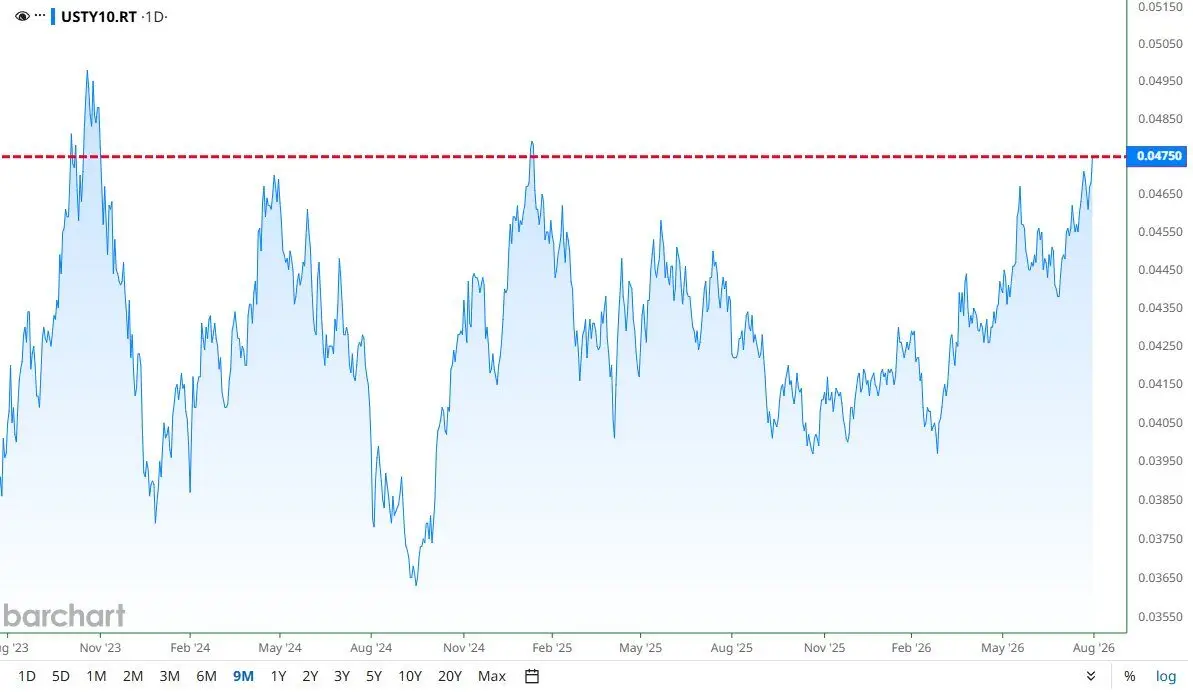 10-Year Yield Hits 4.75%, an 18-Month High – Why the Bond Market Is About to Revolt
  Bond Market Puts Warsh’s 2% Promise to the Test as 30-Year Yield Hits 19-Year High
  Fed Holds Rates Steady at July 2026 Meeting as Three Officials Dissent, Stocks Tumble