
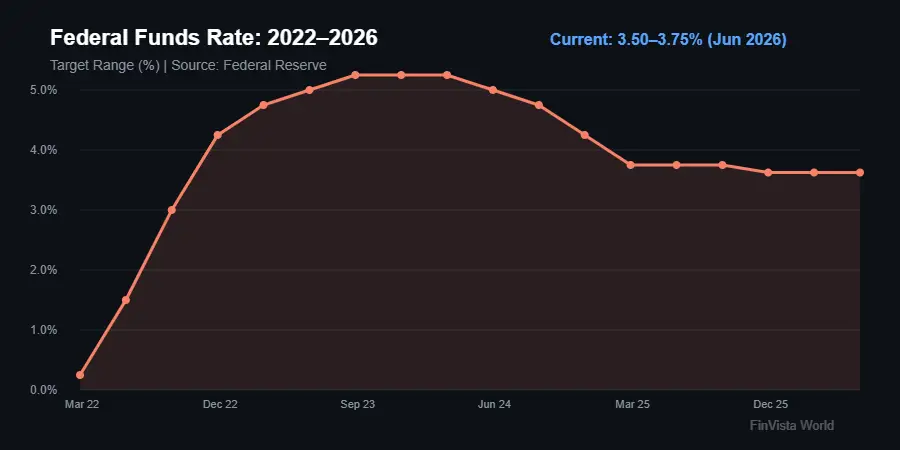
The Federal Reserve’s June 16–17 FOMC meeting is one of the most closely watched policy events of the year. With Kevin Warsh taking the helm as Fed Chair after Jerome Powell’s term ended on May 15, 2026, investors and traders are scrutinizing every signal heading into this pivotal two-day session. The federal funds rate remains anchored at 3.50%–3.75%, unchanged across three consecutive meetings, and markets are pricing a near-certainty of no change this week. But the real question isn’t whether rates move — it’s what the new dot plot and Warsh’s press conference reveal about the path ahead.
Why the FOMC June 2026 Meeting Matters
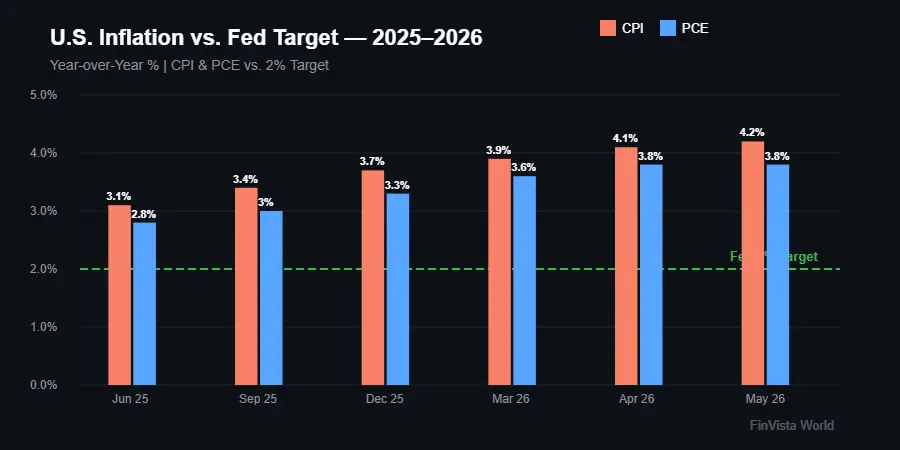
The FOMC June 2026 gathering marks Warsh’s official debut as Fed Chair on the policy stage, and it comes at a delicate moment. Headline CPI stood at 4.2% year-over-year as of May 2026, well above the Fed’s 2% target. The April Personal Consumption Expenditures (PCE) index — the Fed’s preferred inflation gauge — printed at 3.8% annually, driven in part by a spike in energy prices. Meanwhile, the labor market remains firm, with unemployment holding near 4.3%. Together, these figures leave the Fed with little room to ease policy without risking a further inflation overshoot.
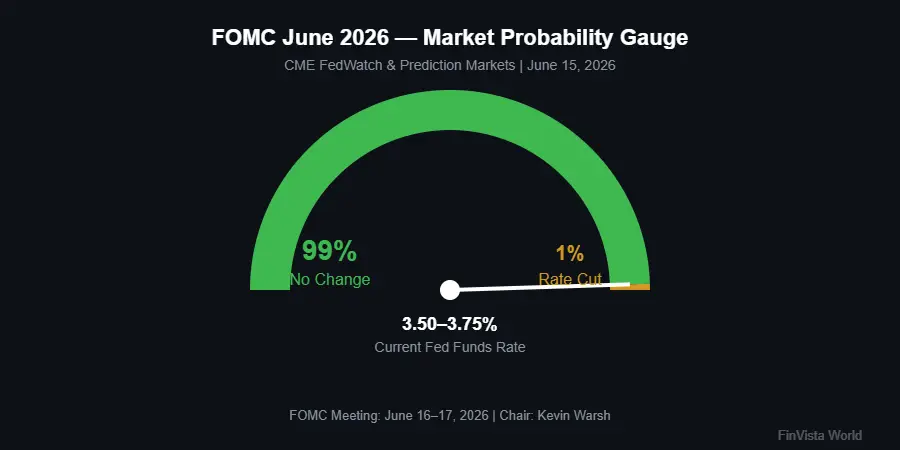
CME FedWatch and prediction markets (Polymarket, Kalshi) are pricing a 98–99% probability of no rate change at this meeting. The real action will come from the updated Summary of Economic Projections (SEP) and Warsh’s press conference tone — both of which could significantly reprice rate-cut expectations for the remainder of 2026 and into 2027.
Who Is Kevin Warsh and Why Wall Street Is Watching
Kevin Warsh served as a Federal Reserve Governor from 2006 to 2011, during the height of the 2008 financial crisis. Known for his hawkish lean and skepticism of prolonged easy money, Warsh has publicly argued that central banks have historically been too slow to tighten after inflation flare-ups. His appointment signals a potential shift toward a more disciplined, less accommodative stance — a message markets are already pricing in.
Goldman Sachs and Barclays have both revised their rate-cut forecasts in light of Warsh’s leadership transition, now projecting that elevated inflation readings will persist through the second half of 2026. Both banks see the first potential rate cut slipping into early 2027 at the earliest, contingent on a sustained cooling in core PCE below 3%.
The Dot Plot: Every Fed Watcher’s Crystal Ball
The FOMC’s dot plot — a chart showing each policymaker’s projection for the federal funds rate over the coming years — will be updated this week for the first time under Warsh’s leadership. The April meeting minutes (released in May 2026) showed significant internal debate about the appropriate timing for easing, with several members signaling discomfort cutting before inflation durably returns toward 2%.
Analysts expect the June 2026 dot plot to push the median rate projection higher than the March version, potentially eliminating any projected cuts for 2026 entirely and showing just one or two cuts penciled in for 2027. If that scenario materializes, Treasury yields could surge and equities — especially rate-sensitive growth stocks — may face renewed selling pressure.
Inflation Picture: Energy and Housing Keep Prices Elevated
The stickiness in U.S. inflation has two main culprits: energy and shelter. Global oil prices have remained elevated on supply constraints from OPEC+ production discipline, keeping headline CPI stubbornly high. Core inflation (excluding food and energy) has been more moderate but is still running near 3.5% — well above the Fed’s comfort zone.
Housing costs, which carry a heavy weight in both CPI and PCE calculations, have been slow to cool despite signs of softening in new lease rates. Fed officials have repeatedly flagged shelter inflation as a key uncertainty in their projections. The May PCE report, due June 25, will be the next major data point — and Goldman Sachs forecasts another elevated reading that keeps the door closed on any near-term cut.
What FOMC June 2026 Means for Investors
For equity investors, the FOMC June 2026 meeting outcome will largely hinge on Warsh’s tone at the post-meeting press conference. A hawkish lean — emphasizing that cuts remain far off and that inflation risks are asymmetric to the upside — would likely weigh on growth stocks and boost the U.S. dollar. Conversely, any hint that September 2026 remains live as a potential cut window could trigger a relief rally in rate-sensitive sectors like real estate, utilities, and tech.
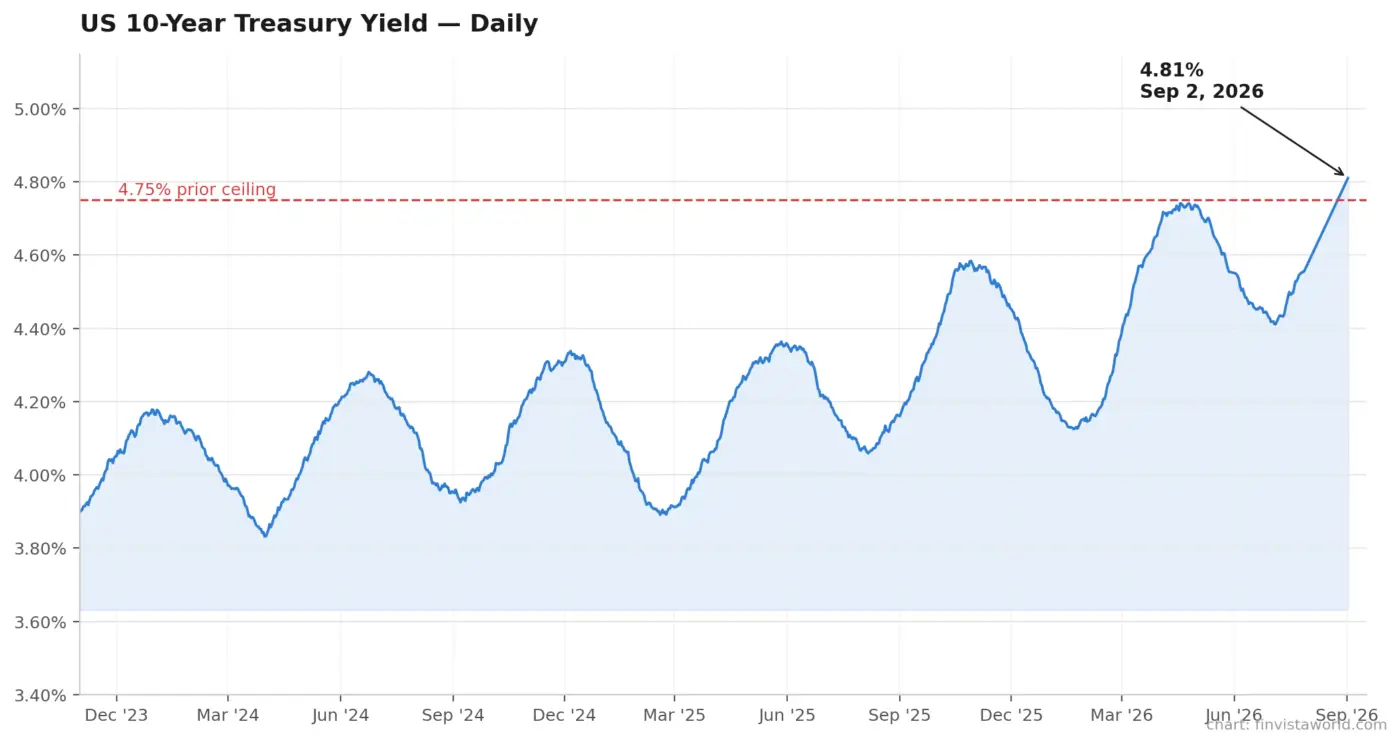
Bond markets are particularly sensitive. The 10-year U.S. Treasury yield has been volatile in the 4.6%–4.9% range as traders reprice the timing of the first Fed cut. A hawkish dot plot that wipes out 2026 cuts could push the 10-year toward 5%, a level not seen sustainably since late 2023. For crypto assets, Bitcoin has been trading near $63,800 with a Fear & Greed Index in “Extreme Fear” territory — a macro risk-off environment fueled partly by Fed uncertainty.
Key Dates and Data to Watch After the Meeting
Beyond the June 16–17 FOMC decision, investors should track a dense data calendar over the coming weeks. The May PCE report on June 25 will be the next major inflation test. The July FOMC meeting (July 28–29) is the next scheduled opportunity for policy action. Meanwhile, Q2 GDP growth estimates will begin taking shape in late July — another variable that could alter the trajectory.
The FOMC June 2026 meeting is not about what happens this week. It’s about what the Fed signals will happen next. With Warsh in the chair and inflation still running hot, the message to markets appears clear: patience is not just a virtue — it’s policy.
 ADP Jobs Miss Collides With Rising Yields: Wall Street Stalls as 10-Year Hits 4.81%
 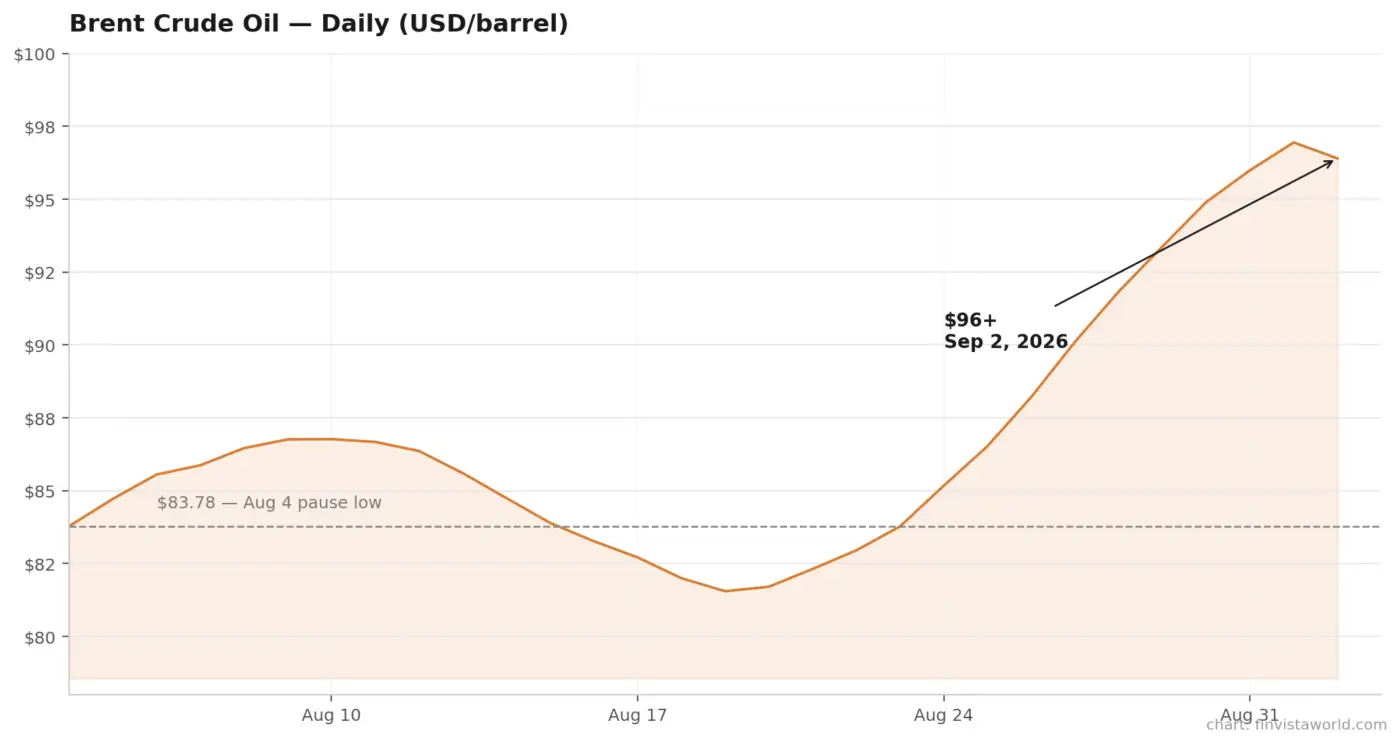 Iran War Reignites: Oil Tops $96, Stocks and Gold Slide Together as Fed Rate-Hike Odds Hit 70%
  Oil Sinks 6%, Dow Hits Record High as Iran Pause Reprices Markets – Crypto Sits It Out
 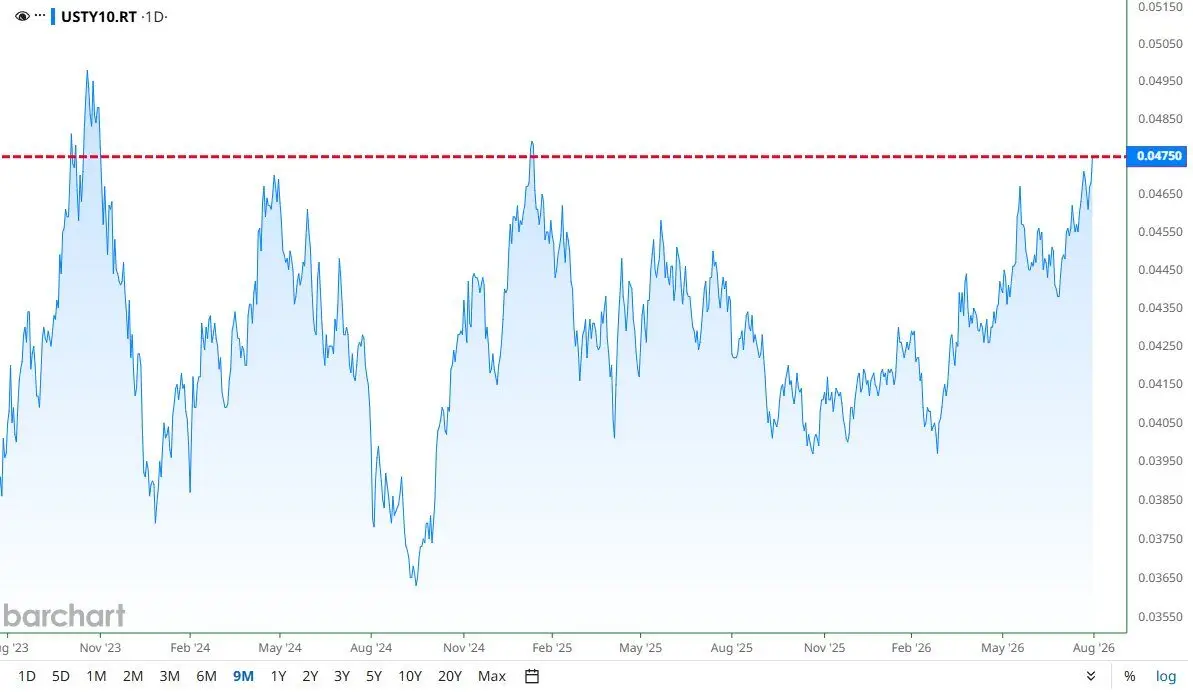 10-Year Yield Hits 4.75%, an 18-Month High – Why the Bond Market Is About to Revolt
 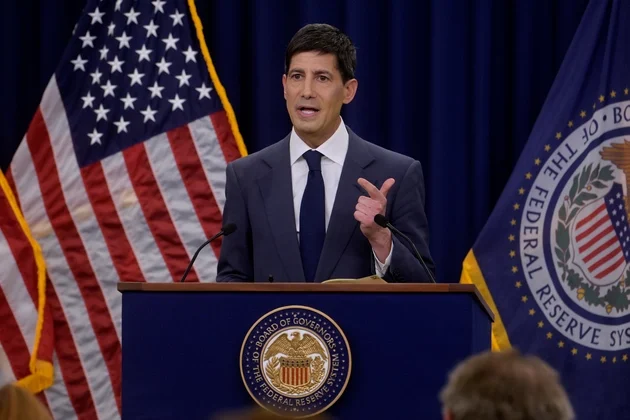 Bond Market Puts Warsh’s 2% Promise to the Test as 30-Year Yield Hits 19-Year High
 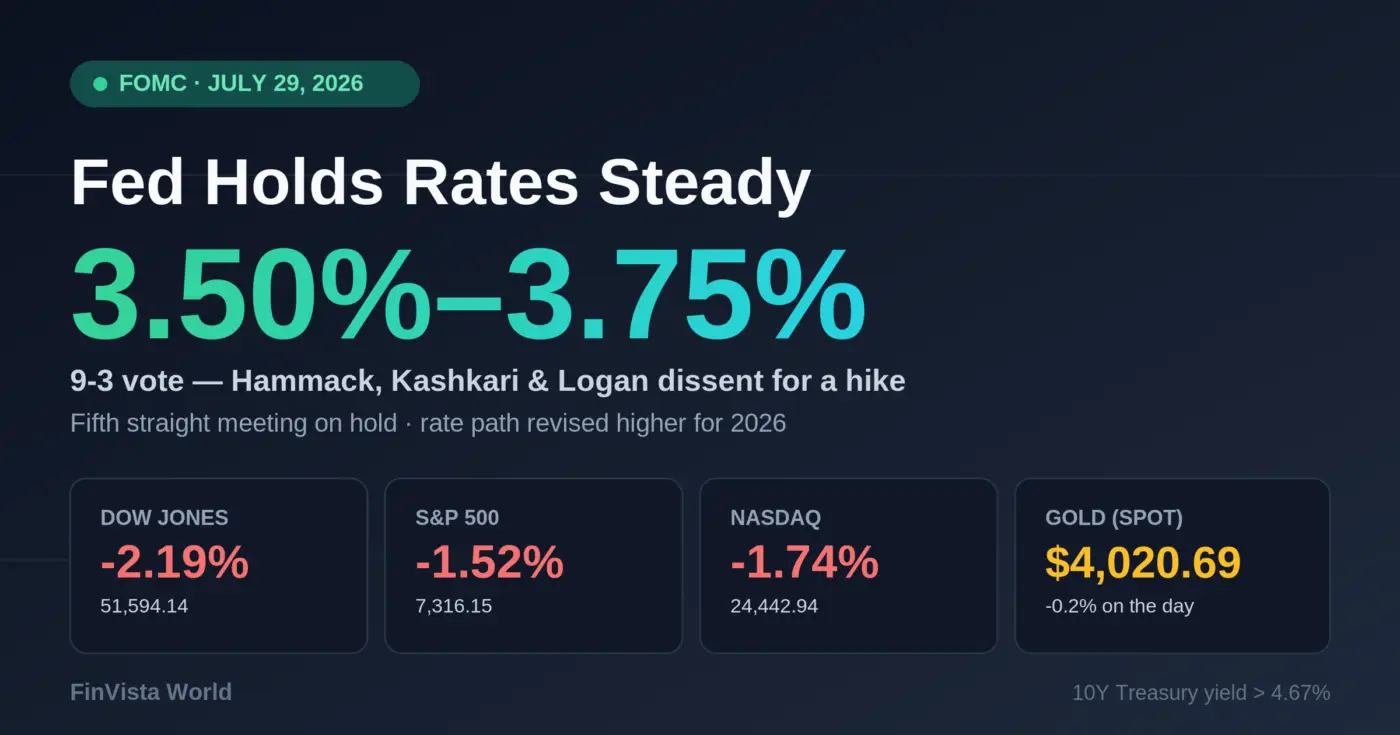 Fed Holds Rates Steady at July 2026 Meeting as Three Officials Dissent, Stocks Tumble