Binance vs OKX 2026
Top Two Global Exchanges Battle It Out in 2026
🏆 Quick Verdict: Binance leads on volume & ecosystem. OKX leads on derivatives features, Web3 wallet & fee tiers.
Binance and OKX are the two largest cryptocurrency exchanges by derivatives volume globally, and they compete fiercely on almost every front. Both offer ultra-low fees, 300+ coins, futures with 100x+ leverage, and comprehensive Web3 ecosystems. So which one should you choose?
This comparison breaks down the key differences between Binance and OKX in 2026 — covering fees, coin selection, derivatives, Web3 tools, regulation, and overall value. We’ve tested both platforms extensively.
Binance vs OKX: Head-to-Head Comparison
| Feature | Binance | OKX |
|---|---|---|
| Founded | 2017 | 2017 |
| Daily Volume (Total) | ~$76B+ | ~$30B–$40B |
| Cryptocurrencies | 350+ | 350+ |
| Spot Fees (Base) | 0.10% / 0.10% | 0.08% / 0.10% |
| Futures Fees | 0.02% / 0.05% | 0.02% / 0.05% |
| Max Leverage | 125x | 125x |
| US Available | ❌ No | ❌ No |
| Native Token | BNB (−25% discount) | OKB (−40% discount) |
| Web3 Wallet | ✅ Yes (basic) | ✅ Yes (best-in-class) |
| Copy Trading | ❌ No (third-party) | ✅ Yes (built-in) |
| Trading Bots | ❌ No (third-party) | ✅ Yes (Grid, DCA, arbitrage) |
| NFT Marketplace | ✅ Yes | ✅ Yes |
| P2P Trading | ✅ Yes (150+ fiat) | ✅ Yes |
| DEX / DeFi Integration | Limited | ✅ Full DEX aggregator |
| Proof of Reserves | ✅ Yes | ✅ Yes |
| Overall Score | 4.8 / 5 | 4.6 / 5 |
Binance: In-Depth Analysis
Volume & Liquidity Advantage
Binance’s daily volume of $76B+ dwarfs OKX’s $30–40B. This translates to tighter spreads, less slippage on large orders, and deeper order books — especially critical for altcoin trading and large institutional orders. For volume-sensitive trading strategies, Binance’s liquidity advantage is decisive.
Ecosystem & Reach
Binance’s BNB Chain has over 2,000 dApps and processes millions of transactions daily, creating a broader ecosystem than OKX Chain. Binance Launchpad has also produced more high-profile token launches (BNB, CAKE, AXS). The P2P platform supports 150+ fiat currencies — essential for users in emerging markets.
Fees with BNB
While OKX’s base spot fees (0.08%) undercut Binance (0.10%), Binance with BNB discounts comes to 0.075% — effectively matching or beating OKX at comparable volumes. BNB holders also get launchpad priority and ecosystem benefits that compound over time.
- Higher liquidity — $76B+ daily volume
- BNB discount reduces fees to 0.075%
- More established BNB Chain ecosystem
- Broader P2P fiat support (150+ currencies)
- More recognized brand globally
- No built-in copy trading or bots
- Web3 wallet less powerful than OKX
- Higher base spot fees vs OKX
OKX: In-Depth Analysis
Best Web3 Wallet in Crypto
OKX Wallet is widely considered the best non-custodial Web3 wallet available in 2026. It supports 60+ blockchains, aggregates DEX liquidity from 100+ sources for best swap rates, supports NFT trading across chains, and provides DeFi yield farming access — all in one interface. Binance’s Web3 wallet is functional but far less comprehensive.
Built-in Copy Trading & Bots
OKX has native copy trading (no third-party required) and a full suite of trading bots: Grid, DCA, arbitrage, and AI-powered strategies. This is a major advantage for retail traders who want automated strategies without subscribing to external tools like 3Commas or Pionex.
Lower Base Fees
OKX’s 0.08% maker fee beats Binance’s 0.10%, and OKB discounts bring this down to 0.048% maker — among the lowest available globally. The fee tier structure also rewards volume progression more aggressively, benefiting active traders.
- Lower base spot fees: 0.08%/0.10%
- Best-in-class Web3 wallet (60+ chains)
- Built-in copy trading & trading bots
- OKB gives 40% discount (vs BNB’s 25%)
- Strong derivatives suite with options
- Lower spot/derivatives volume than Binance
- Less P2P fiat currency support
- Fewer altcoin listings in some niche categories
🏆 Final Verdict: Which Is Better?
Choose Binance if: You prioritize maximum liquidity, P2P fiat access in emerging markets, a more established token ecosystem (BNB Chain), or you trade large volumes where tight spreads are critical. Binance is also the better choice for P2P traders in regions with limited banking.
Choose OKX if: You want a built-in copy trading system, automated trading bots without third-party subscriptions, the best multi-chain Web3 wallet for DeFi and NFTs, or slightly lower base fees. OKX is the better choice for derivatives specialists and Web3 power users.
Both are excellent. Most serious traders maintain accounts on both platforms — using Binance for spot liquidity and OKX for derivatives and Web3 activities.
Frequently Asked Questions
More Exchange Comparisons:
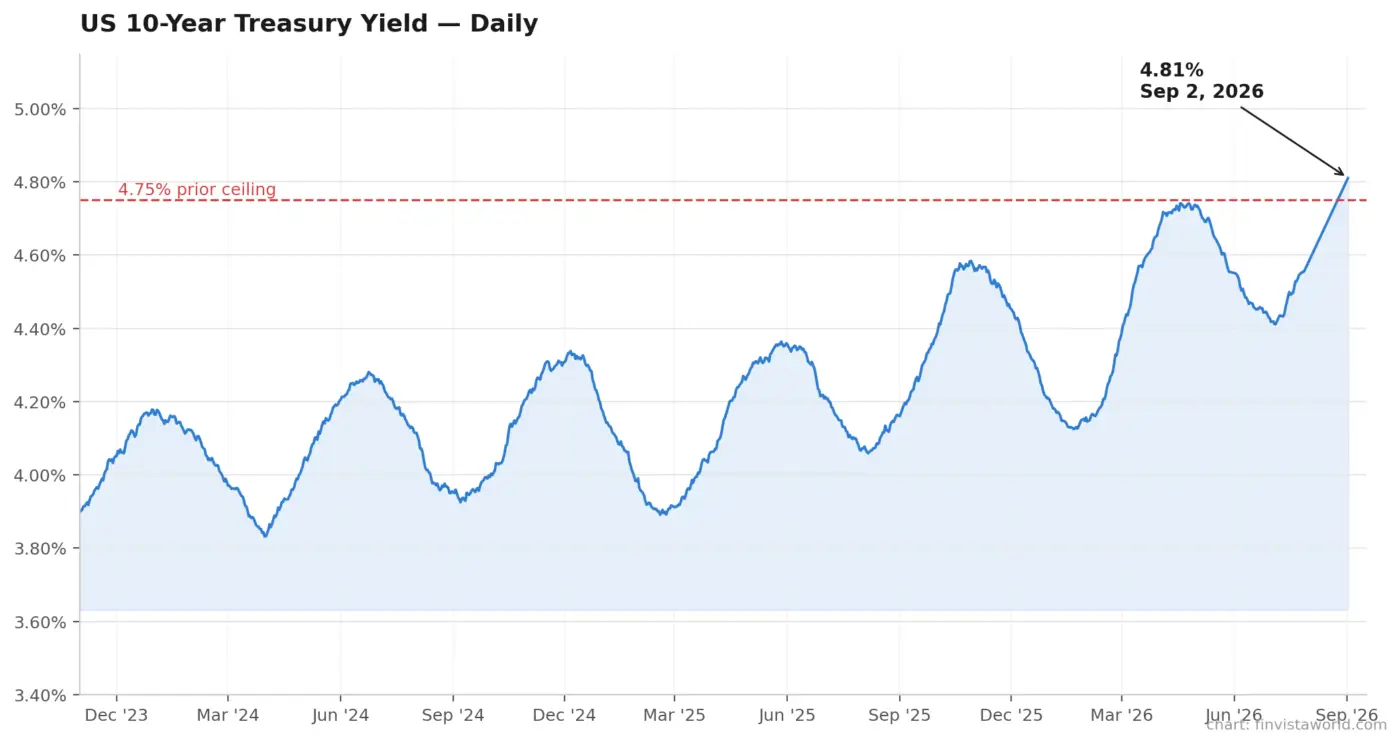 ADP Jobs Miss Collides With Rising Yields: Wall Street Stalls as 10-Year Hits 4.81%
 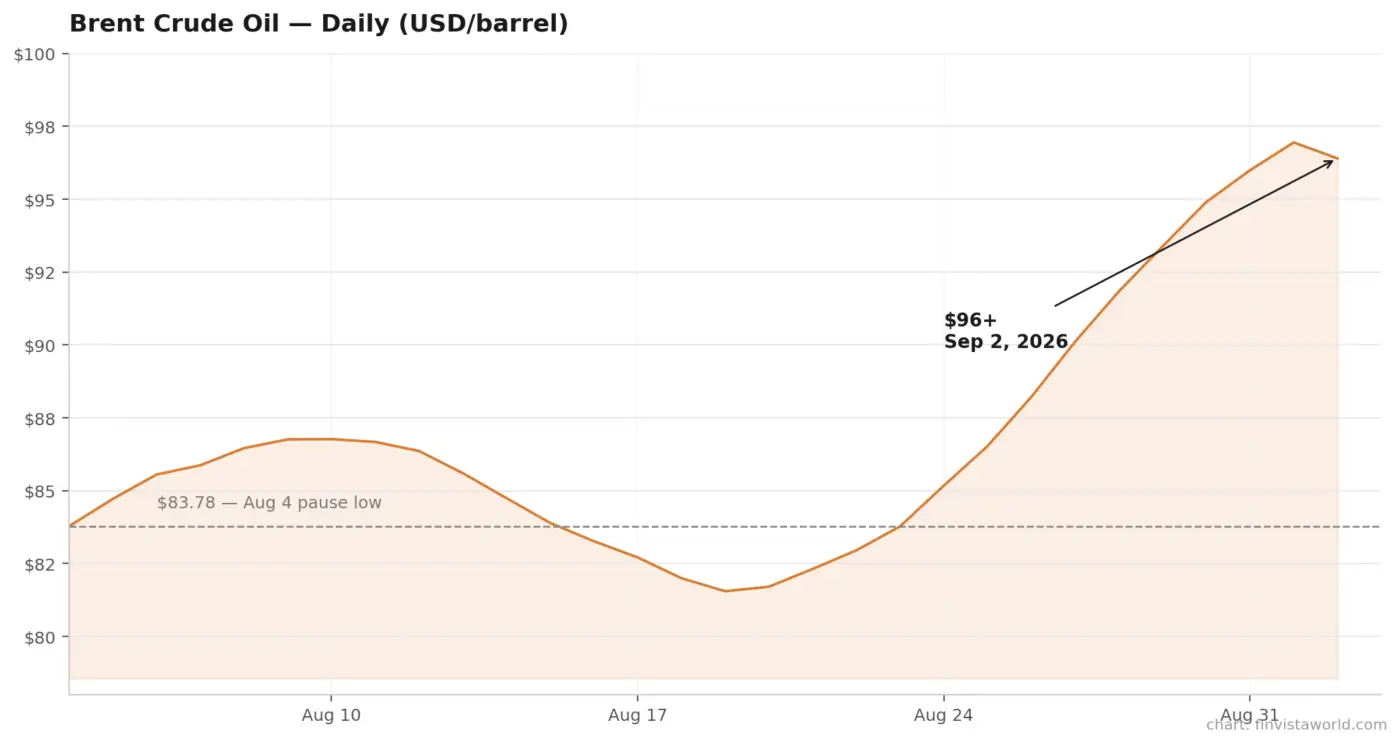 Iran War Reignites: Oil Tops $96, Stocks and Gold Slide Together as Fed Rate-Hike Odds Hit 70%
  Oil Sinks 6%, Dow Hits Record High as Iran Pause Reprices Markets – Crypto Sits It Out
 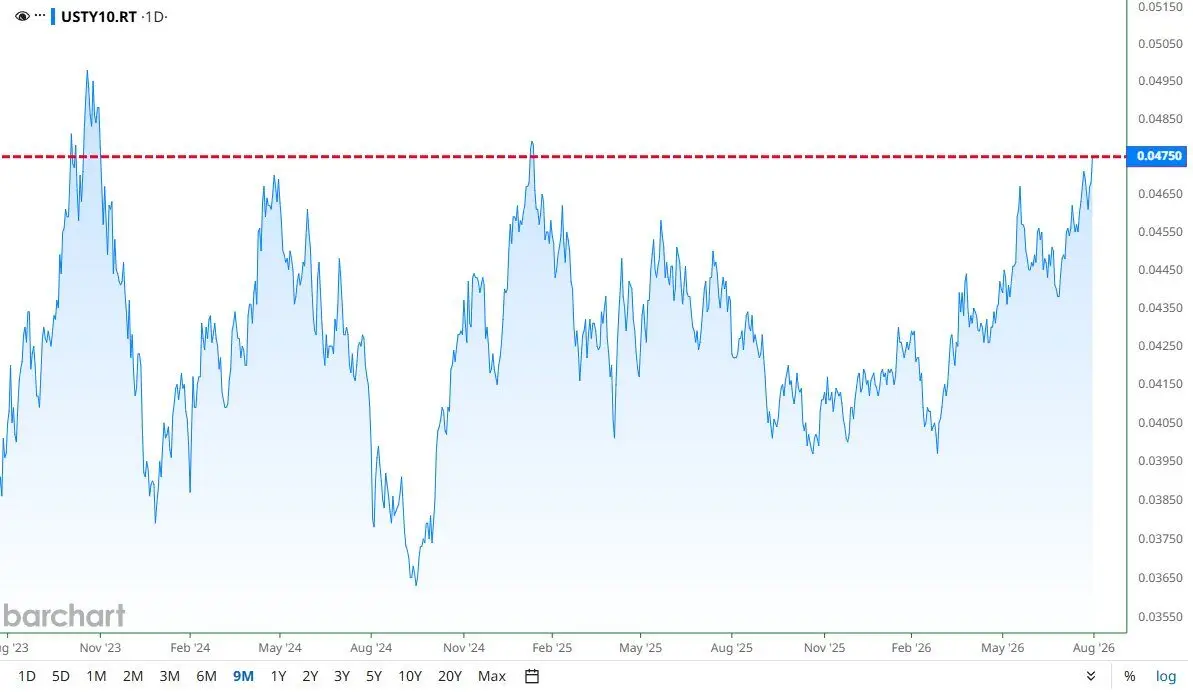 10-Year Yield Hits 4.75%, an 18-Month High – Why the Bond Market Is About to Revolt
  Bond Market Puts Warsh’s 2% Promise to the Test as 30-Year Yield Hits 19-Year High
 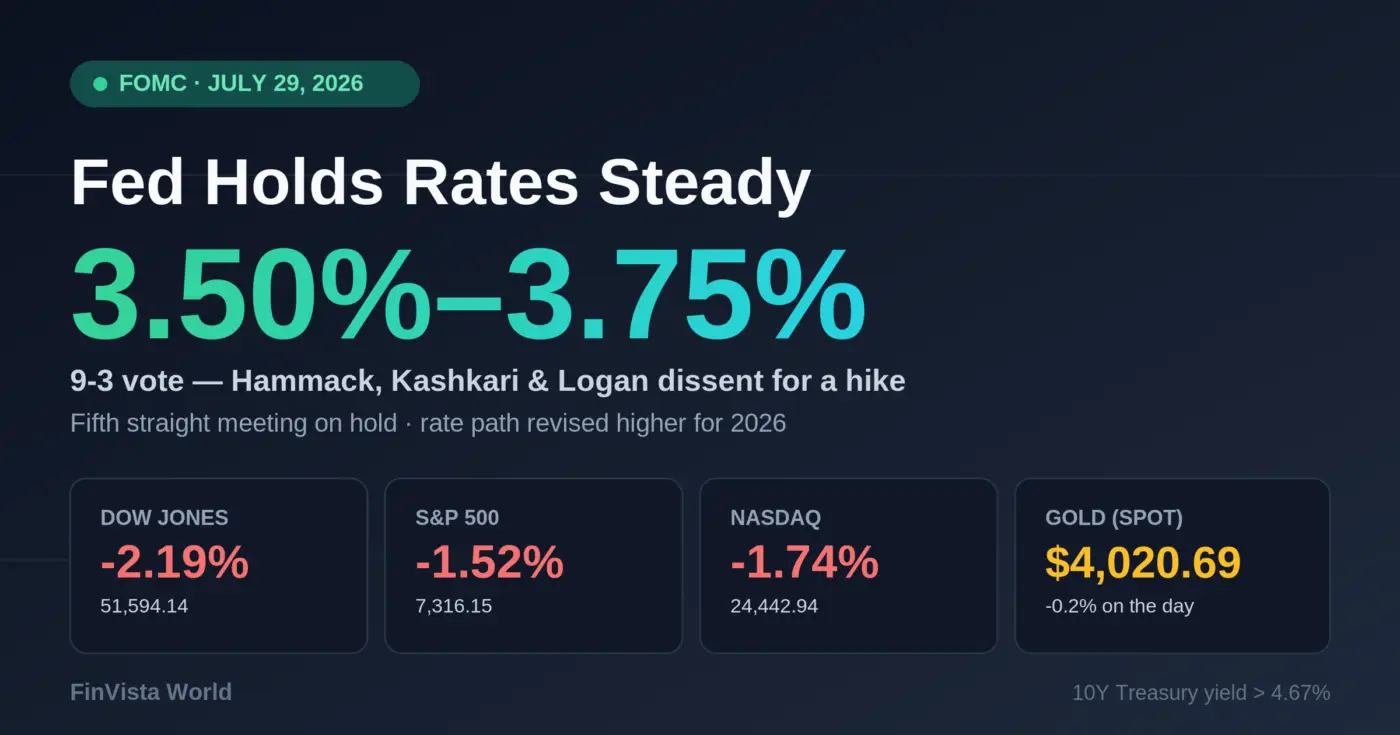 Fed Holds Rates Steady at July 2026 Meeting as Three Officials Dissent, Stocks Tumble