Avalanche (AVAX) is a high-performance, EVM-compatible blockchain platform that distinguishes itself through its unique multi-chain architecture, sub-second finality, and the innovative Subnet model enabling customizable sovereign blockchains. In 2026, Avalanche has cemented itself as the leading blockchain for institutional deployments, financial institution projects, and enterprise-grade applications — while its consumer DeFi and gaming ecosystem continues to grow on the main C-Chain.
Avalanche Architecture: Three Chains Explained
Unlike most blockchains, Avalanche operates three interoperable chains by default, each optimized for specific tasks:
- X-Chain (Exchange Chain): Handles asset creation and peer-to-peer transfers. Uses a DAG (directed acyclic graph) for ultra-fast settlement.
- C-Chain (Contract Chain): EVM-compatible chain where all DeFi protocols, dApps, and smart contracts run. Ethereum devs can deploy without code changes.
- P-Chain (Platform Chain): Coordinates validators, manages staking, and creates/tracks Subnets.
Subnets: Avalanche’s Killer Feature

Avalanche Subnets (now called “Avalanche L1s” in the Avalanche9000 upgrade) allow organizations to launch their own sovereign blockchain networks with custom rules — while securing them with AVAX validators and benefiting from Avalanche’s consensus. This makes Avalanche uniquely attractive to enterprises and institutions that need:
- Permissioned or private blockchain environments
- Custom gas tokens (not AVAX)
- Compliance-ready transaction filtering
- Industry-specific virtual machines
Notable Subnet/L1 Deployments (2026)
| Subnet/L1 | Deployer | Use Case |
|---|---|---|
| Evergreen Spruce | Ava Labs + financial institutions | Institutional DeFi / tokenized assets |
| DFK Chain | DeFi Kingdoms | Blockchain gaming |
| Dexalot | Dexalot | On-chain order book exchange |
| Meld Gold | MELD | Tokenized gold and RWAs |
| Lamina1 | Lamina1 | Open metaverse infrastructure |
Avalanche DeFi Ecosystem (C-Chain)
| Protocol | Category | TVL |
|---|---|---|
| Benqi Finance | Lending / Liquid Staking | $400M+ |
| Trader Joe | DEX / AMM | $200M+ |
| GMX (Avalanche) | Perpetual DEX | $150M+ |
| Aave V3 (Avax) | Lending | $100M+ |
AVAX Price Analysis June 2026
AVAX has traded in the $25–$55 range through Q1–Q2 2026 — a notable recovery from lows under $15 in 2023, but still well below its 2021 all-time high of ~$146. The Avalanche9000 upgrade (reducing Subnet launch costs by 99.9%) and growing institutional interest in Subnet deployments have been key bullish catalysts.
Key Price Levels
- Support: $25, $20, $15 (major long-term support)
- Resistance: $55, $70, $100
- Bull case 2026: $80–$130 driven by institutional Subnet adoption + alt season
- Bear case: $18–$25 in a broader market selloff
AVAX Staking
AVAX staking requires a minimum of 25 AVAX with a 2-week minimum lockup. Current staking APY is approximately 6–9% depending on validator performance. Liquid staking via Benqi’s sAVAX allows staking with no minimum and instant liquidity.
Risks to Watch
- Subnet competition: Ethereum L2s (especially rollup-as-a-service providers like Conduit, Caldera) are increasingly competing for the enterprise blockchain market
- C-Chain TVL: DeFi TVL on Avalanche is lower than Ethereum, Solana, or BSC — limiting yield opportunities
- AVAX price sensitivity: If Subnets use custom gas tokens, demand for AVAX itself may decouple from network growth
Frequently Asked Questions
What makes Avalanche different from Ethereum?
Avalanche offers sub-second finality (vs. Ethereum’s ~12-second block time), lower gas fees, EVM compatibility, and the unique Subnet model for custom blockchains. Its Snowman consensus protocol achieves these speeds without sacrificing decentralization.
Is AVAX a good investment in 2026?
AVAX has strong institutional tailwinds via Subnet adoption and solid DeFi fundamentals on C-Chain. Its price remains well below all-time highs, offering potential upside. However, competition from Ethereum L2s and Solana is intense. Allocation should reflect your overall risk tolerance.
How do I stake AVAX?
You can stake AVAX natively through the Core wallet (Ava Labs’ official wallet) by delegating to a validator for a minimum of 25 AVAX with 2+ week lockup. Alternatively, stake any amount via Benqi’s sAVAX for liquid staking with no minimum.
⚠ Risk Disclaimer: Cryptocurrency investments involve significant risk. AVAX and all altcoins can experience extreme volatility. This article is for informational purposes only and is not financial advice.
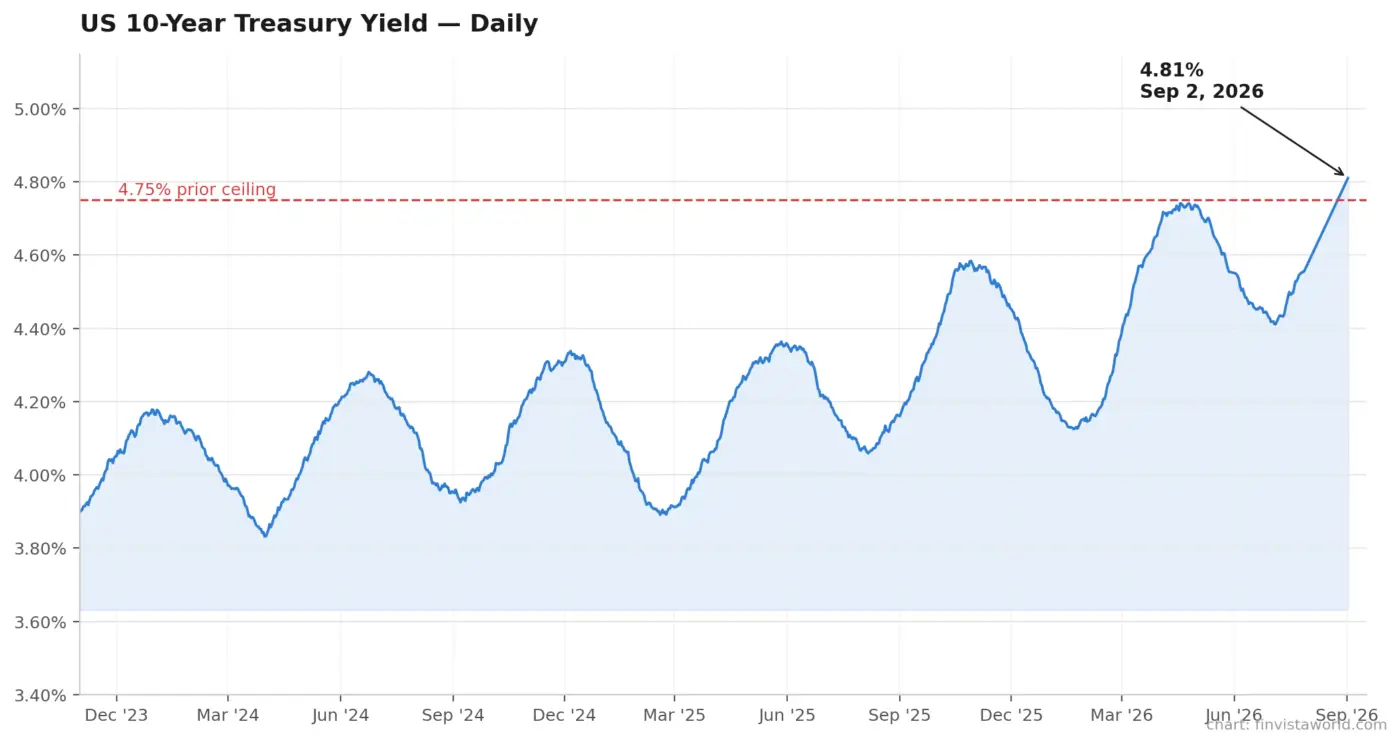 ADP Jobs Miss Collides With Rising Yields: Wall Street Stalls as 10-Year Hits 4.81%
 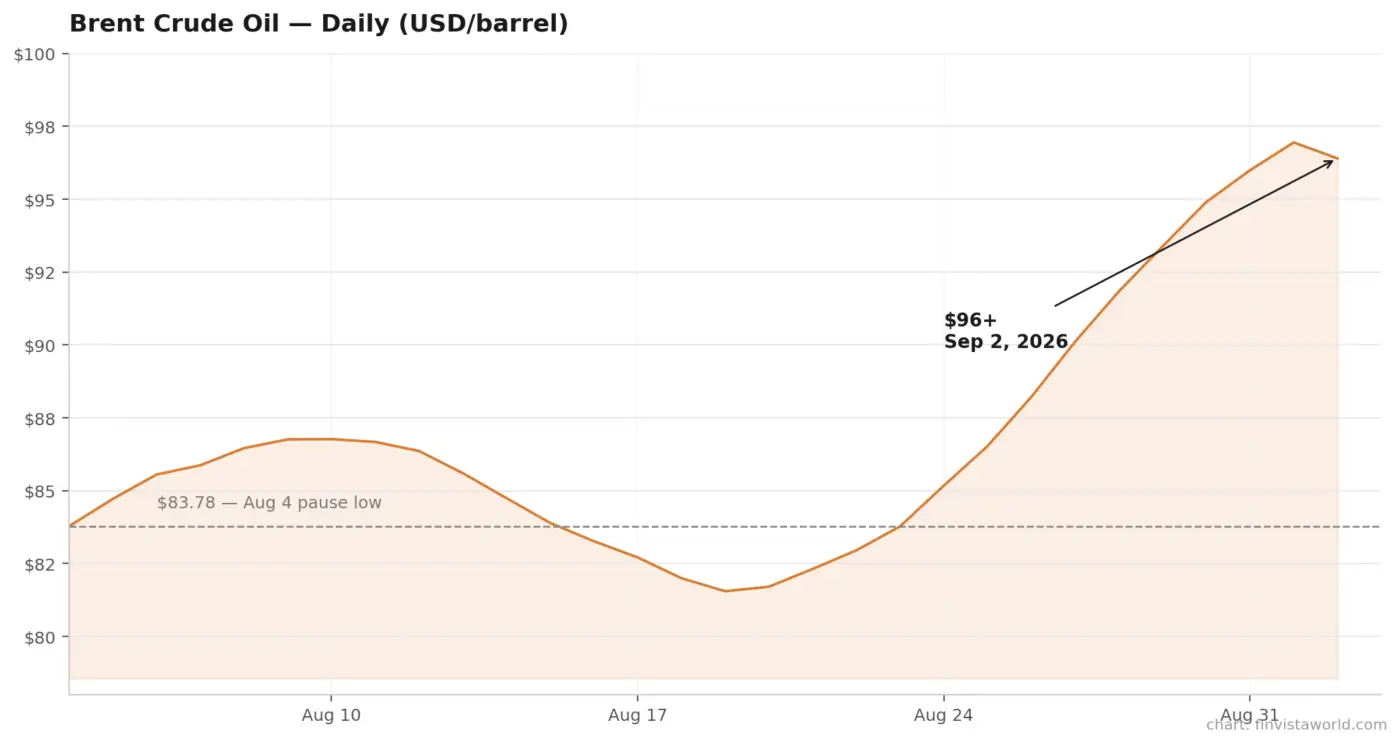 Iran War Reignites: Oil Tops $96, Stocks and Gold Slide Together as Fed Rate-Hike Odds Hit 70%
  Oil Sinks 6%, Dow Hits Record High as Iran Pause Reprices Markets – Crypto Sits It Out
 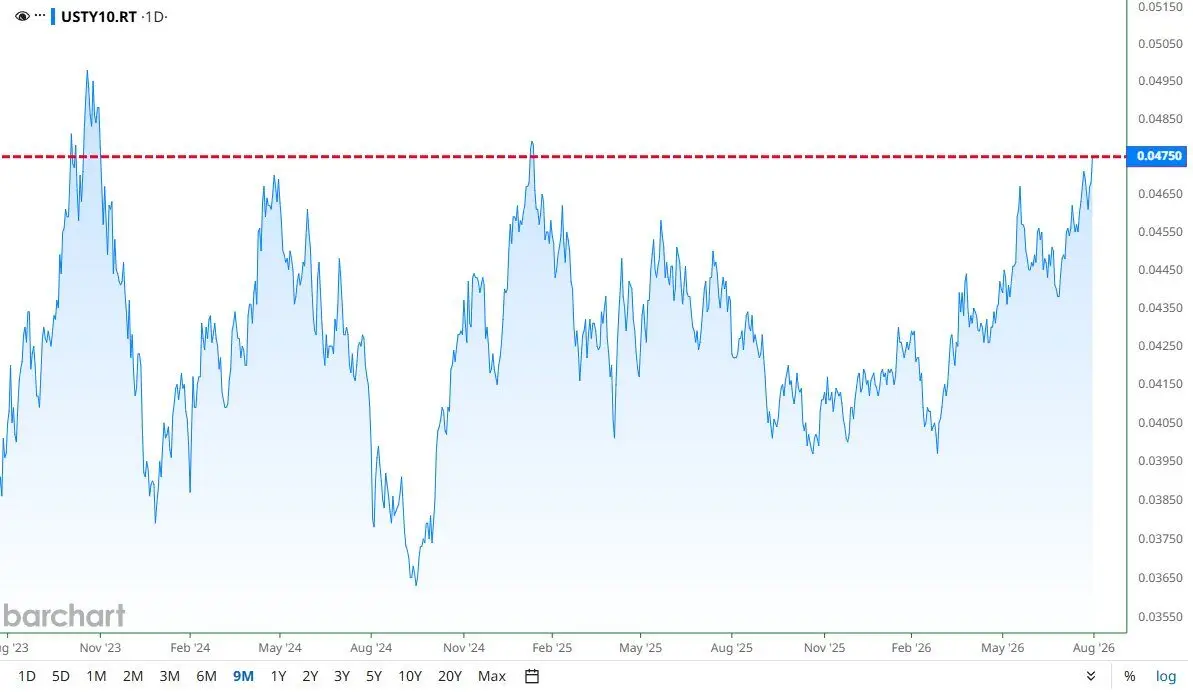 10-Year Yield Hits 4.75%, an 18-Month High – Why the Bond Market Is About to Revolt
  Bond Market Puts Warsh’s 2% Promise to the Test as 30-Year Yield Hits 19-Year High
 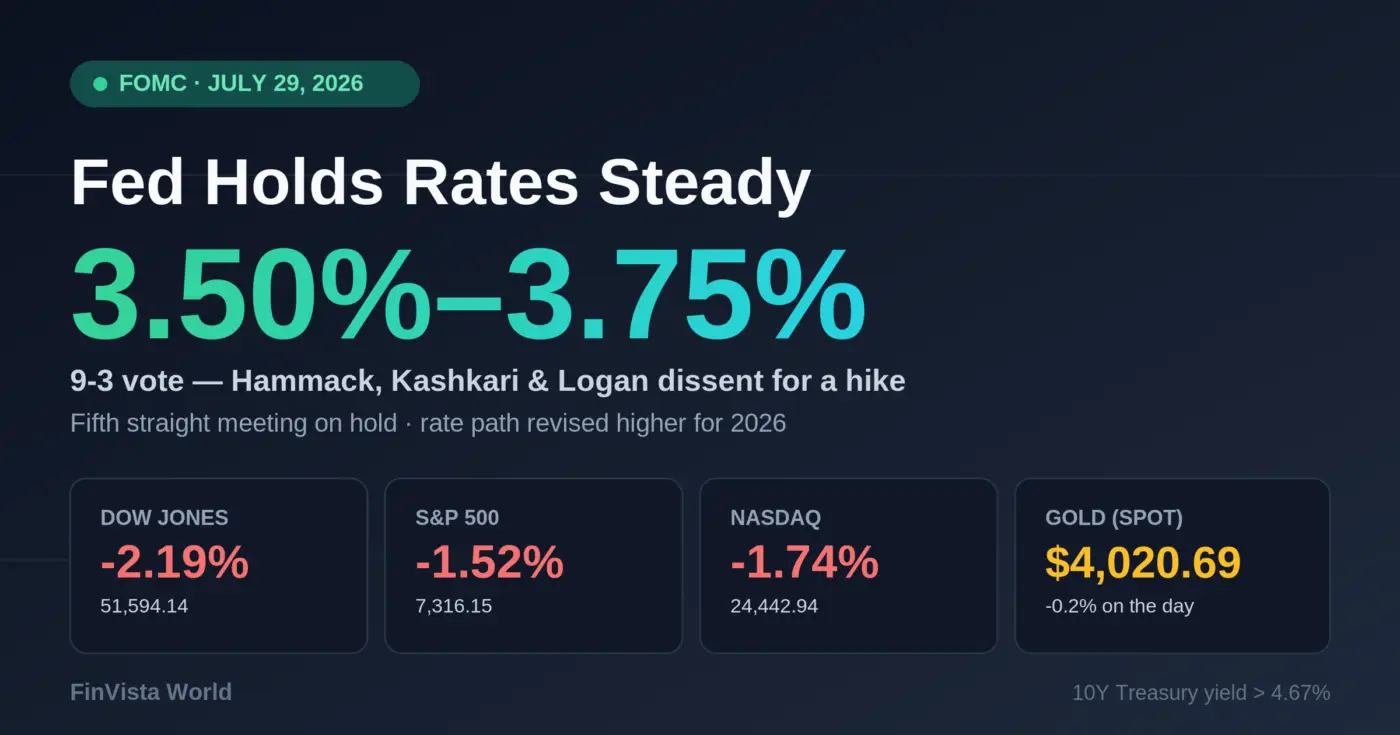 Fed Holds Rates Steady at July 2026 Meeting as Three Officials Dissent, Stocks Tumble