
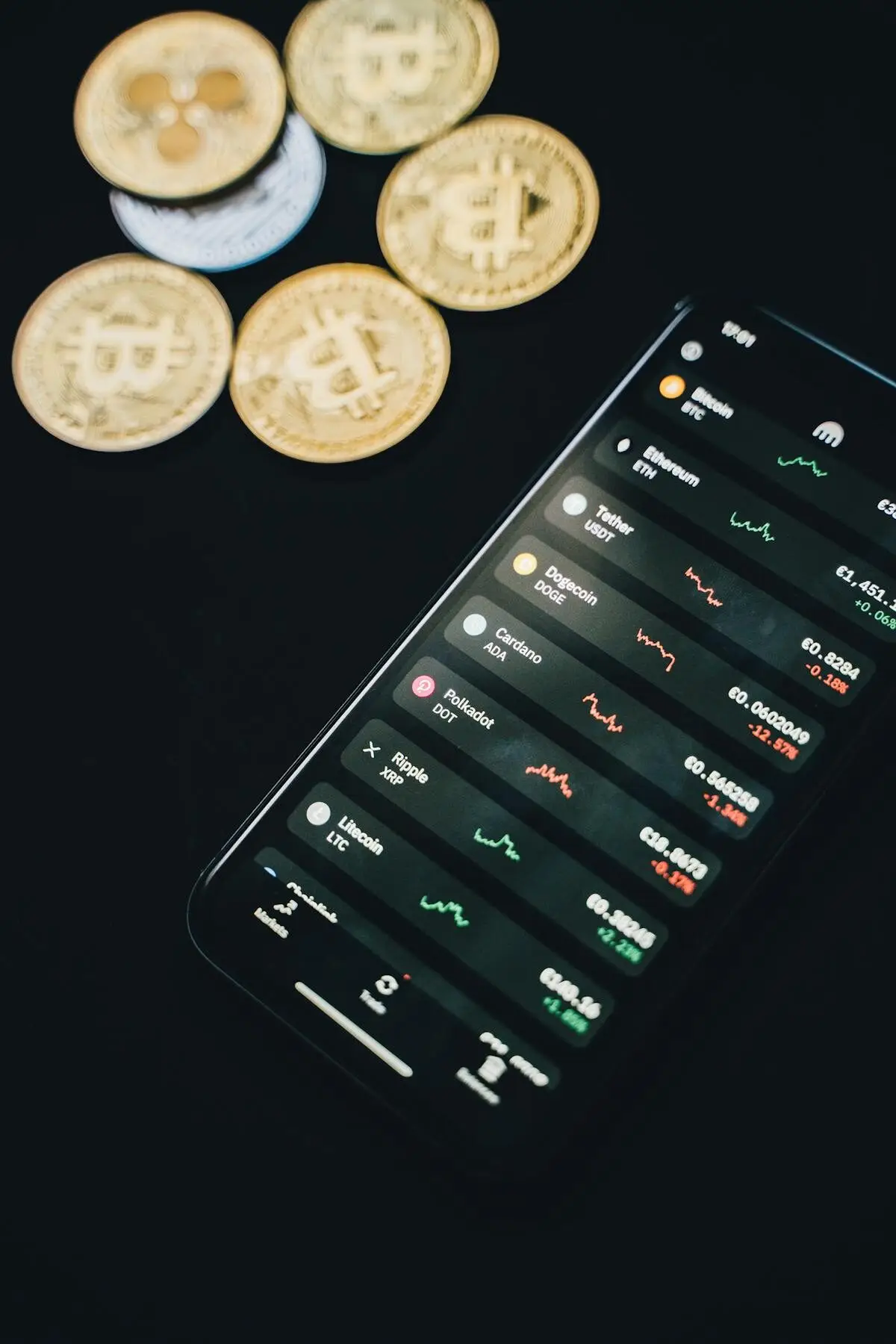
The fourth Bitcoin halving occurred on April 19, 2024 — reducing the block reward from 6.25 BTC to 3.125 BTC. This event, which occurs approximately every four years (every 210,000 blocks), permanently reduces the rate at which new Bitcoin enters circulation. As of mid-2026, we are roughly two years into the post-halving period — historically the window associated with Bitcoin’s most explosive price appreciation. This analysis examines the halving’s impact, the mining industry’s adaptation, and where Bitcoin stands heading into late 2026.
What Is the Bitcoin Halving?
Bitcoin’s protocol limits the total supply to 21 million BTC. To control issuance, the reward paid to miners for validating transactions is cut in half every 210,000 blocks (~4 years). This built-in scarcity mechanism is central to Bitcoin’s value proposition as “digital gold.”
| Halving | Date | Block Reward | BTC Price at Halving |
|---|---|---|---|
| 1st Halving | Nov 2012 | 50 → 25 BTC | ~$12 |
| 2nd Halving | Jul 2016 | 25 → 12.5 BTC | ~$650 |
| 3rd Halving | May 2020 | 12.5 → 6.25 BTC | ~$8,600 |
| 4th Halving | Apr 2024 | 6.25 → 3.125 BTC | ~$63,000 |
Post-Halving Price Performance: Historical Patterns
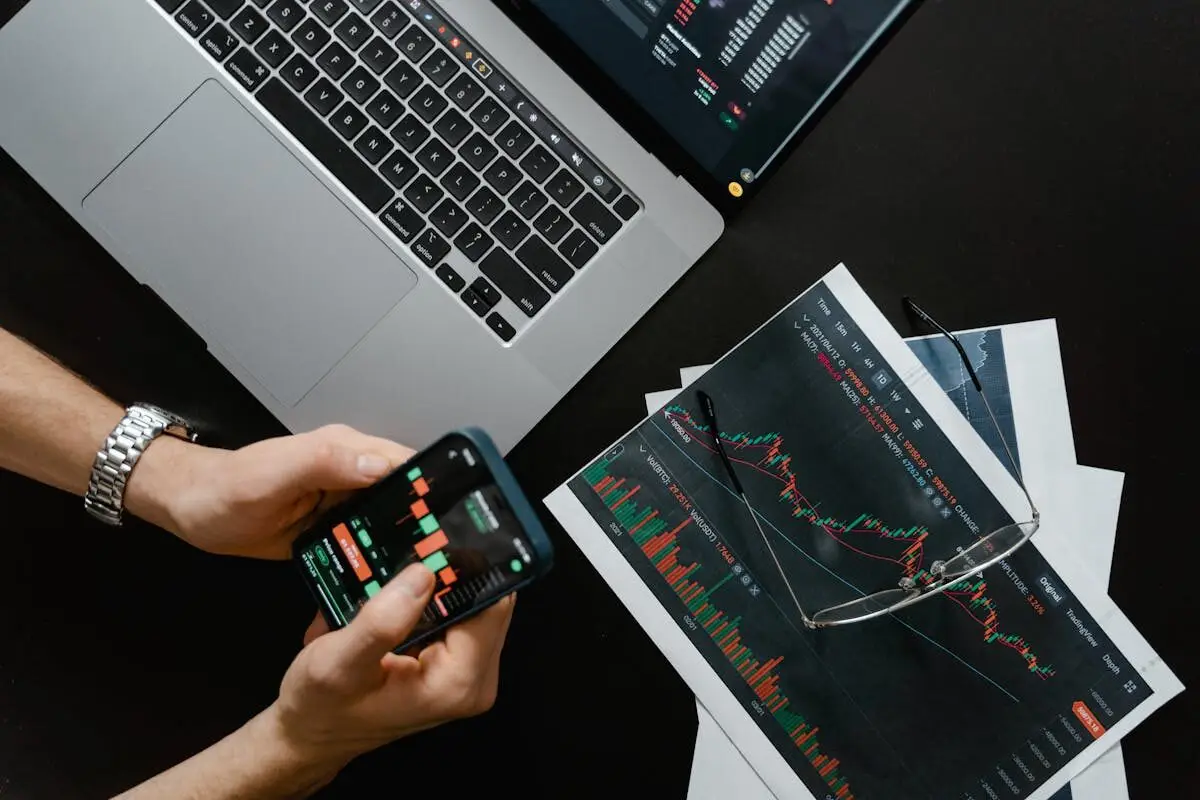
Each halving has historically been followed by a significant bull market within 12–18 months:
- Post-2012 halving: BTC rose from ~$12 to ~$1,100 within 12 months (+9,000%)
- Post-2016 halving: BTC rose from ~$650 to ~$19,800 within 18 months (+2,950%)
- Post-2020 halving: BTC rose from ~$8,600 to ~$69,000 within 18 months (+700%)
- Post-2024 halving: BTC climbed from ~$63,000 to new all-time highs above $100,000 in late 2024–early 2025
As of June 2026, Bitcoin has entered the consolidation phase that historically precedes the final leg of a post-halving cycle. The market is digesting ETF inflows, institutional adoption, and macro liquidity conditions.
Bitcoin Price Analysis June 2026
| Scenario | Price Target (Late 2026) | Key Catalysts |
|---|---|---|
| Bull Case | $150,000–$200,000 | ETF inflows, Fed rate cuts, institutional treasury adoption |
| Base Case | $90,000–$130,000 | Sustained institutional demand, halving supply shock |
| Bear Case | $55,000–$75,000 | Global recession, regulatory crackdown, ETF outflows |
Bitcoin Mining After the Halving
The halving cut miner revenue in half overnight — creating enormous pressure on less efficient operations. Here is how the mining industry adapted:
Miner Adaptation Strategies
- Next-gen hardware: Miners rushed to upgrade to the most efficient ASICs (Bitmain S21 series, MicroBT M60 series) with 20–25 J/TH efficiency ratings
- Energy cost competition: Only miners with electricity below $0.05/kWh are consistently profitable at current prices. Operators relocated to low-cost regions: Ethiopia, Paraguay, Kazakhstan, Texas
- Diversified revenue: Many miners are monetizing excess infrastructure for AI compute rental (the “mining to AI” pivot trend)
- Transaction fees: Ordinals, BRC-20 tokens, and Runes protocol inscriptions have occasionally pushed Bitcoin transaction fees to record highs, supplementing block rewards
Bitcoin Mining Key Metrics (June 2026)
| Metric | Value |
|---|---|
| Network Hash Rate | 700–800 EH/s (exahashes/second) |
| Mining Difficulty | Near all-time highs |
| Block Reward | 3.125 BTC + transaction fees |
| Estimated BTC Mined Daily | ~450 BTC/day (vs. 900 pre-halving) |
| Next Halving (estimated) | April 2028 — reward drops to 1.5625 BTC |
Bitcoin ETFs: The Game-Changer for the 2024 Cycle
The approval of spot Bitcoin ETFs in the US in January 2024 fundamentally changed the 2024–2026 cycle. Unlike previous cycles driven primarily by retail FOMO, this cycle features:
- BlackRock’s IBIT ETF accumulating over 500,000 BTC in its first year
- Pension funds, endowments, and sovereign wealth funds gaining approved Bitcoin exposure
- Corporate treasuries (MicroStrategy model) inspiring dozens of public companies to hold BTC
- Reduced daily sell pressure from miners relative to ETF inflows
Long-Term Bitcoin Investment Thesis
The fundamental Bitcoin investment case in 2026 rests on:
- Absolute scarcity: 21 million cap, with ~19.7 million already mined and an estimated 3–4 million permanently lost
- Institutional legitimacy: ETF approval, corporate treasury adoption, and regulatory clarity in major markets
- Global inflation hedge: As fiat currencies continue to be debased, hard-capped digital assets gain appeal
- Network effect: Bitcoin’s security, liquidity, and brand recognition remain unmatched
Frequently Asked Questions
Does the Bitcoin halving always cause a price increase?
Historically yes, but with diminishing percentage returns each cycle. The pattern suggests continued appreciation, but the magnitude of gains may moderate as Bitcoin’s market cap grows larger and requires more capital to move significantly.
When is the next Bitcoin halving?
The 5th Bitcoin halving is estimated to occur in April 2028, reducing the block reward from 3.125 BTC to 1.5625 BTC. With ~450 BTC mined daily currently, this will further restrict new supply.
Should I buy Bitcoin in 2026?
Bitcoin’s long-term fundamentals remain strong. Many investors use Dollar-Cost Averaging (DCA) to accumulate gradually rather than timing the market. However, always invest only what you can afford to lose and seek independent financial advice.
⚠ Risk Disclaimer: Bitcoin and all cryptocurrencies are highly volatile assets. Historical halving cycles do not guarantee future performance. This article is for informational and educational purposes only — not financial advice. Always do your own research and consult a financial advisor.
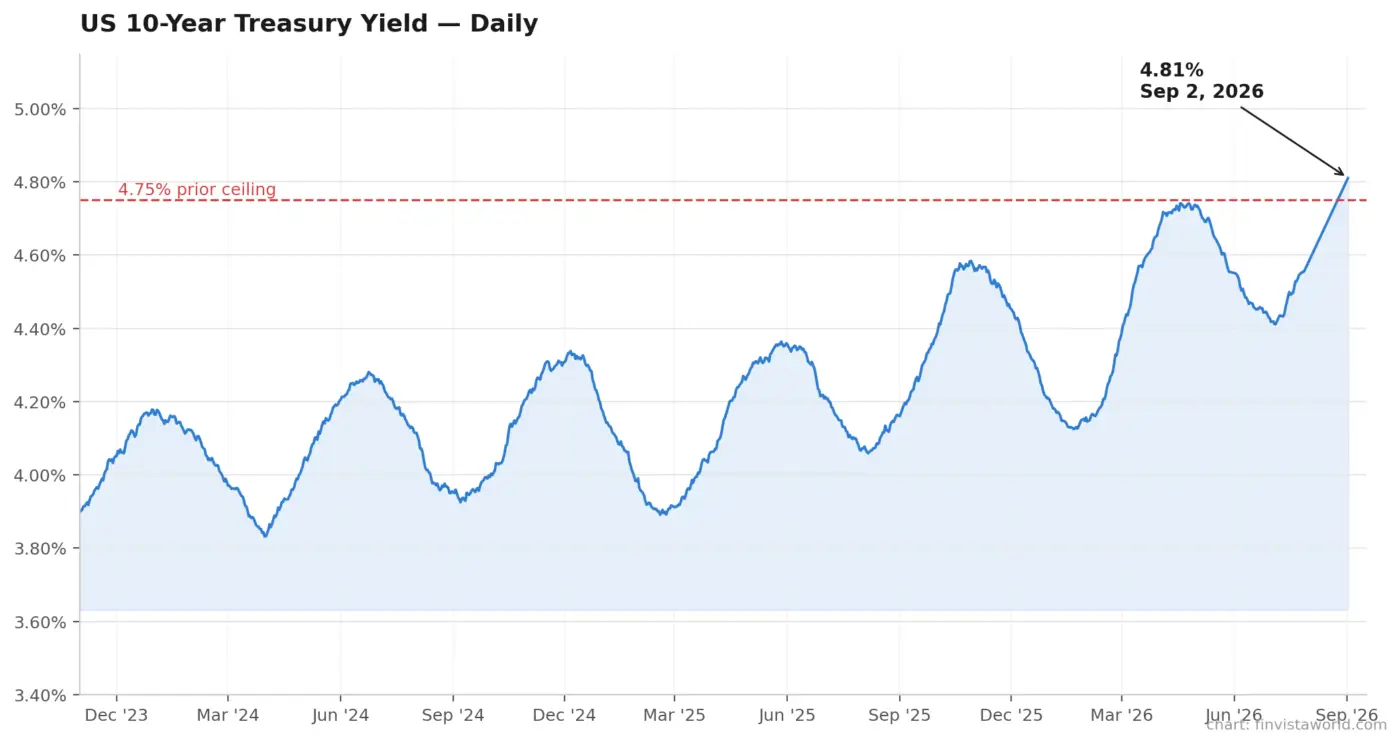 ADP Jobs Miss Collides With Rising Yields: Wall Street Stalls as 10-Year Hits 4.81%
 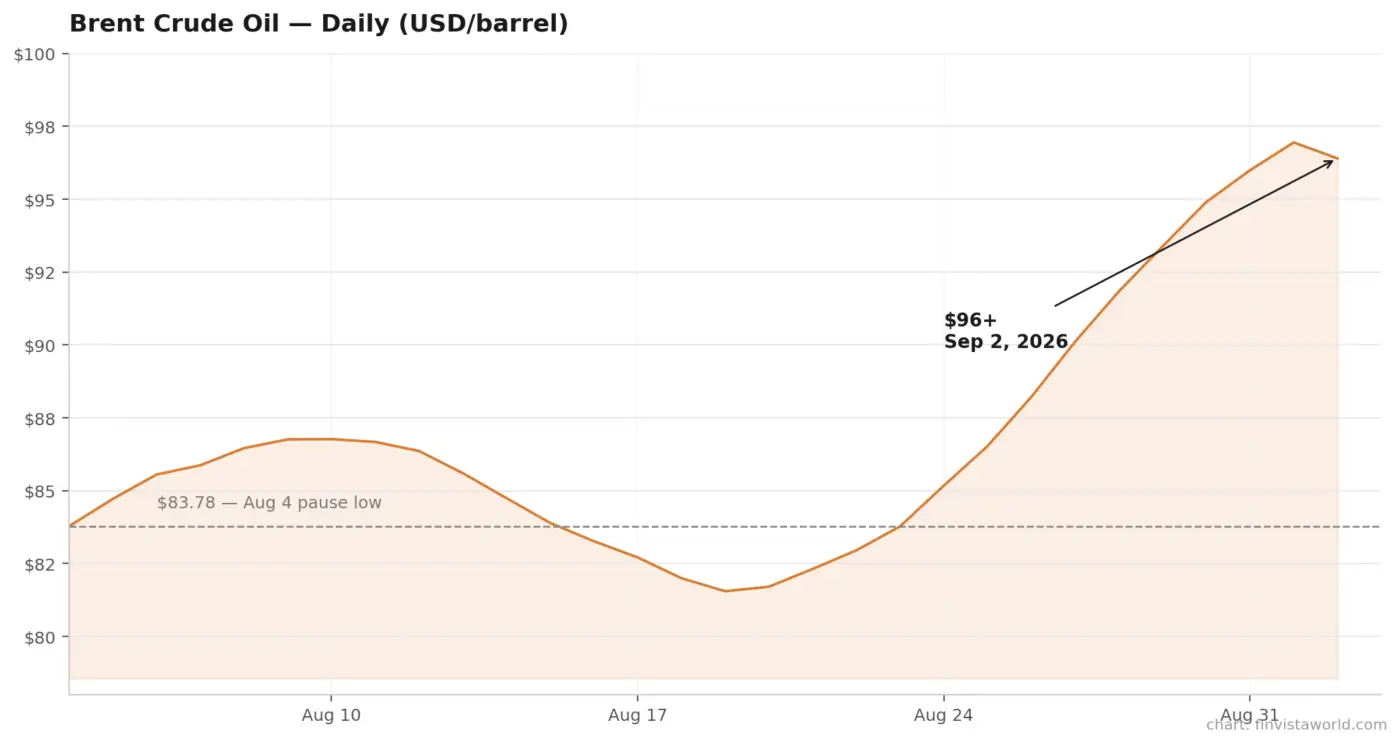 Iran War Reignites: Oil Tops $96, Stocks and Gold Slide Together as Fed Rate-Hike Odds Hit 70%
  Oil Sinks 6%, Dow Hits Record High as Iran Pause Reprices Markets – Crypto Sits It Out
 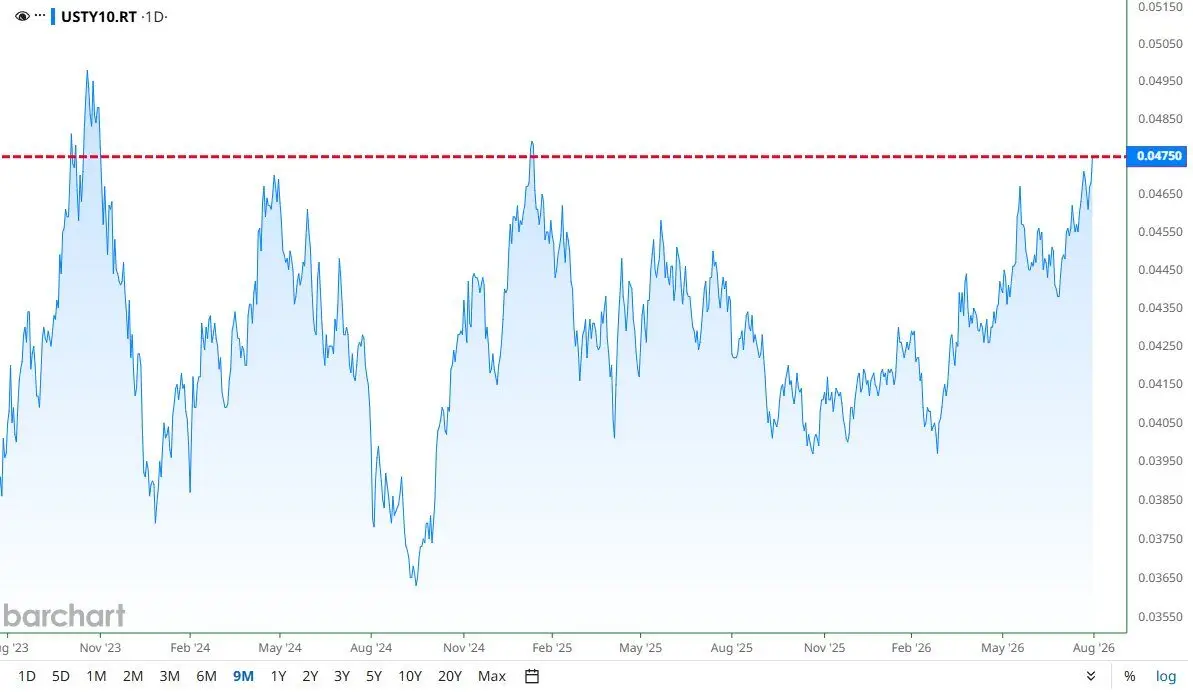 10-Year Yield Hits 4.75%, an 18-Month High – Why the Bond Market Is About to Revolt
  Bond Market Puts Warsh’s 2% Promise to the Test as 30-Year Yield Hits 19-Year High
 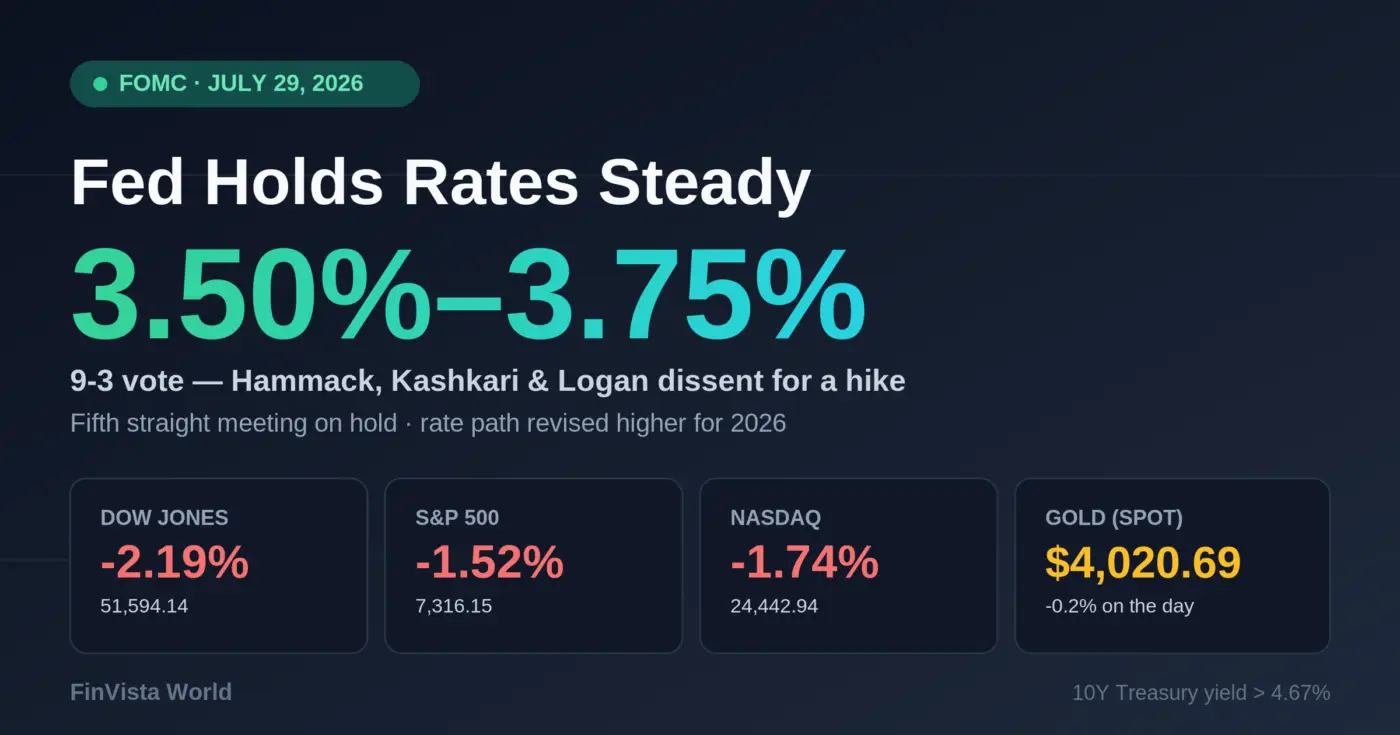 Fed Holds Rates Steady at July 2026 Meeting as Three Officials Dissent, Stocks Tumble