

Crypto taxation has become one of the most important — and most misunderstood — topics for digital asset investors. Tax authorities worldwide have clarified and tightened their reporting requirements, and enforcement is increasing rapidly as blockchain analytics companies give agencies the tools to trace transactions at scale. Whether you made $500 or $500,000 in crypto in 2025–2026, understanding your tax obligations is non-negotiable. This guide covers how crypto is taxed in key jurisdictions, what events trigger tax liability, and the best tools to stay compliant.
How Is Crypto Taxed? The Basics
In most jurisdictions, cryptocurrency is treated as property (not currency) for tax purposes. This means:
- Every crypto-to-crypto trade is a taxable event (e.g., swapping ETH for USDC triggers capital gains/loss)
- Selling crypto for fiat triggers capital gains tax
- Receiving crypto as income is taxed as ordinary income (mining, staking, airdrops, salary in crypto)
- Using crypto to purchase goods/services triggers capital gains
- Gifting crypto may be taxable above certain thresholds
Crypto Tax Rates by Country (2026)

| Country | Short-term Rate | Long-term Rate | Notes |
|---|---|---|---|
| United States | Up to 37% (income rate) | 0–20% (held 1+ year) | Net Investment Income Tax may add 3.8% |
| United Kingdom | 20% (basic) / 24% (higher) | Same as income rate | £3,000 CGT annual allowance (2026) |
| Germany | Income rate (up to 45%) | 0% (held 1+ year) | Tax-free after 1 year holding |
| Portugal | 28% | 0% (held 1+ year) | Tax-free after 1 year |
| Australia | Income rate | 50% discount (held 1+ year) | ATO actively monitoring crypto |
| Singapore | 0% | 0% | No capital gains tax; income tax may apply |
| UAE / Dubai | 0% | 0% | No personal income or capital gains tax |
| El Salvador | 0% | 0% | Bitcoin legal tender — no CGT |
Taxable vs. Non-Taxable Crypto Events
| Event | Taxable? |
|---|---|
| Buying crypto with fiat | ❌ No (sets your cost basis) |
| Selling crypto for fiat | ✅ Yes — capital gain/loss |
| Crypto-to-crypto swap | ✅ Yes — capital gain/loss on disposed asset |
| Staking rewards received | ✅ Yes — ordinary income at fair market value |
| Transferring between own wallets | ❌ No (not a taxable event) |
| Receiving airdrop | ✅ Yes — ordinary income when received |
| Buying NFTs with crypto | ✅ Yes — capital gain on crypto spent |
| Holding crypto (HODLing) | ❌ No — unrealized gains not taxed |
Best Crypto Tax Software in 2026

| Software | Best For | Pricing (from) |
|---|---|---|
| Koinly | Global users, DeFi support | Free / $49/year |
| CoinTracker | US users, TurboTax integration | Free / $59/year |
| TokenTax | Complex DeFi, professional filers | $65/year+ |
| TaxBit | US institutional / high volume | Enterprise pricing |
| Divly | European users (Sweden, Finland, etc.) | Free / €49/year |
Tax Minimization Strategies (Legal)
- HODL for 1+ year: In the US and many countries, long-term capital gains are taxed at lower rates
- Tax-loss harvesting: Sell losing positions to offset gains before year-end (beware wash sale rules — currently crypto is not subject to wash sale rules in the US)
- FIFO vs. HIFO accounting: Using Highest In, First Out (HIFO) often minimizes taxable gains by selling the most expensive lots first
- Donate crypto to charity: Avoid capital gains tax and potentially deduct fair market value
- Relocate to low-tax jurisdiction: Germany, Portugal, UAE, Singapore offer favorable crypto tax treatment
Frequently Asked Questions
Do I need to report crypto if I didn’t withdraw to a bank?
Yes. In the US and most other countries, taxable events include crypto-to-crypto trades and receiving crypto income — regardless of whether funds ever reach a bank account. The IRS and other tax authorities can track on-chain activity.
What happens if I don’t report crypto taxes?
Tax evasion is a criminal offense. Penalties can include back taxes, substantial fines, and in serious cases, criminal prosecution. The IRS and other agencies are actively using blockchain analytics to identify unreported crypto income.
⚠ Disclaimer: This article is for general informational purposes only and is not legal or tax advice. Tax laws vary by jurisdiction and change frequently. Always consult a qualified tax professional for your specific situation.
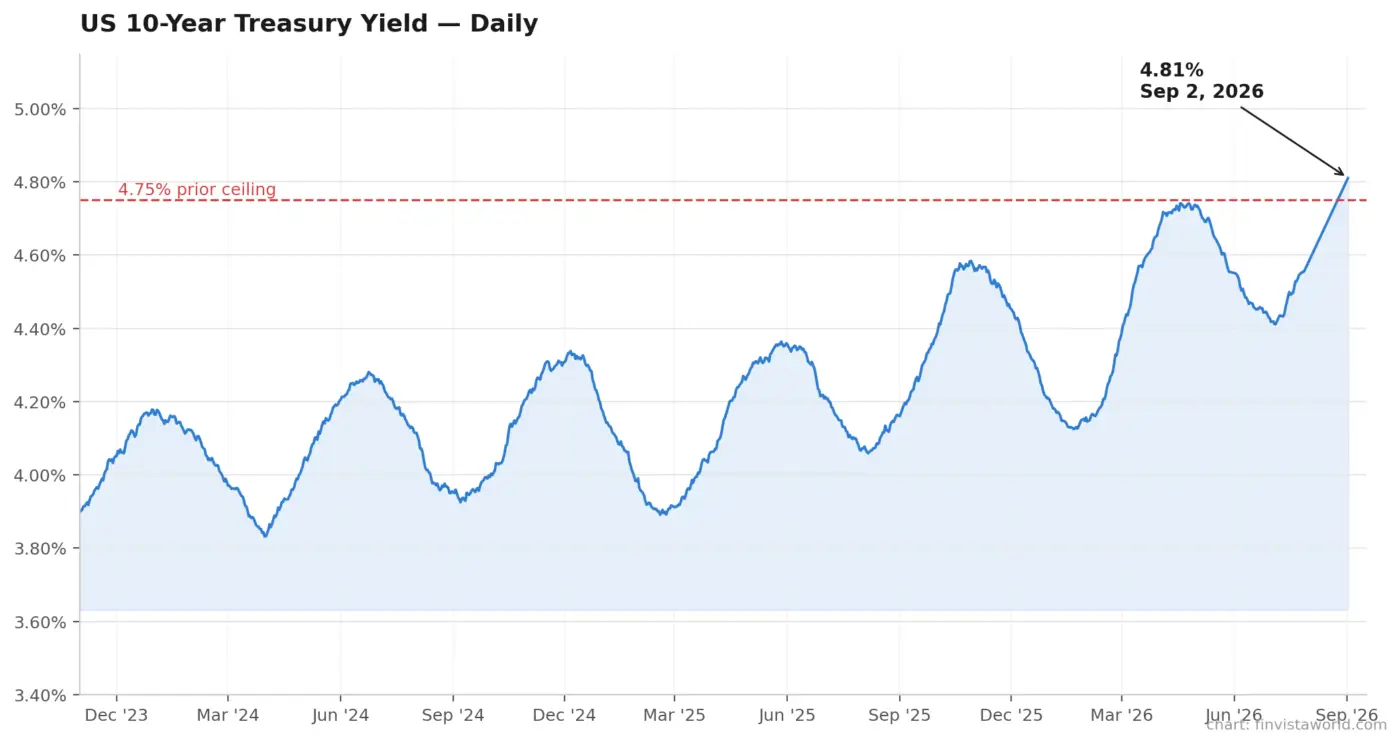 ADP Jobs Miss Collides With Rising Yields: Wall Street Stalls as 10-Year Hits 4.81%
 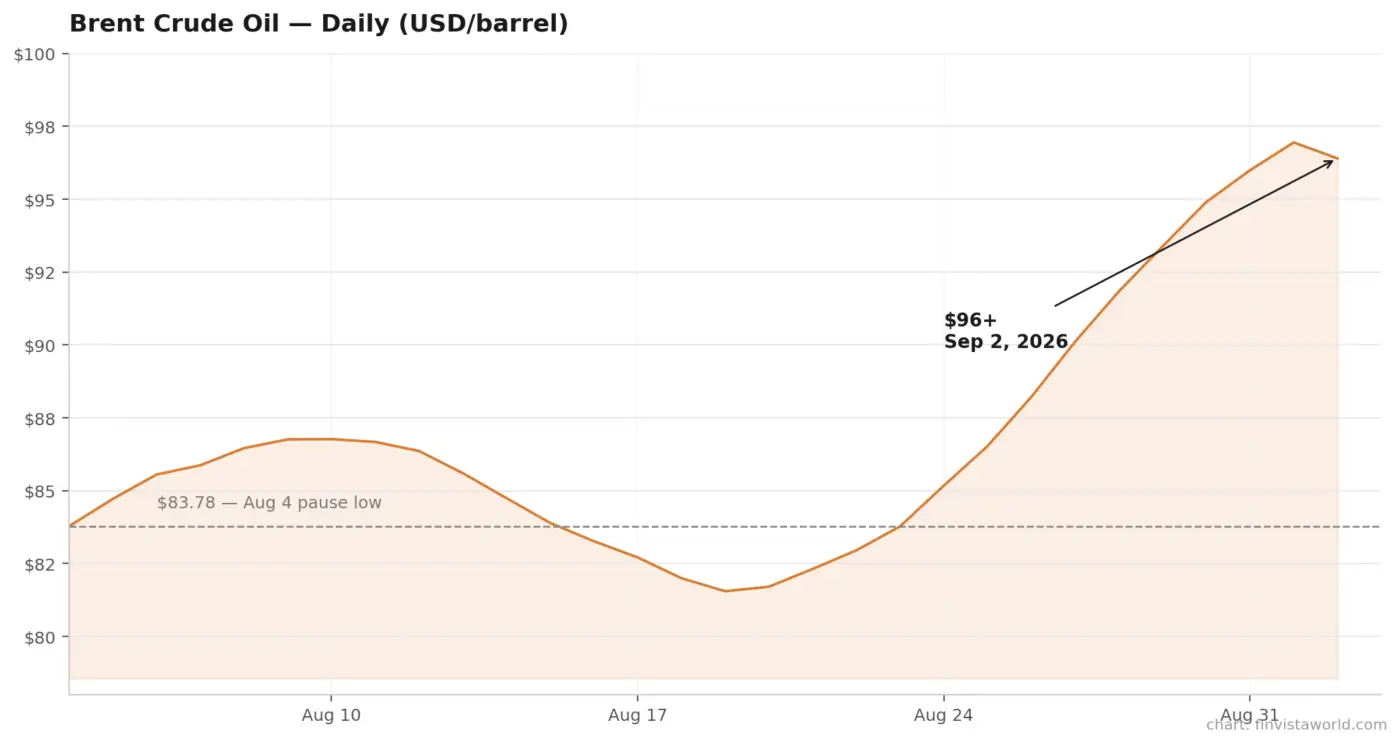 Iran War Reignites: Oil Tops $96, Stocks and Gold Slide Together as Fed Rate-Hike Odds Hit 70%
  Oil Sinks 6%, Dow Hits Record High as Iran Pause Reprices Markets – Crypto Sits It Out
 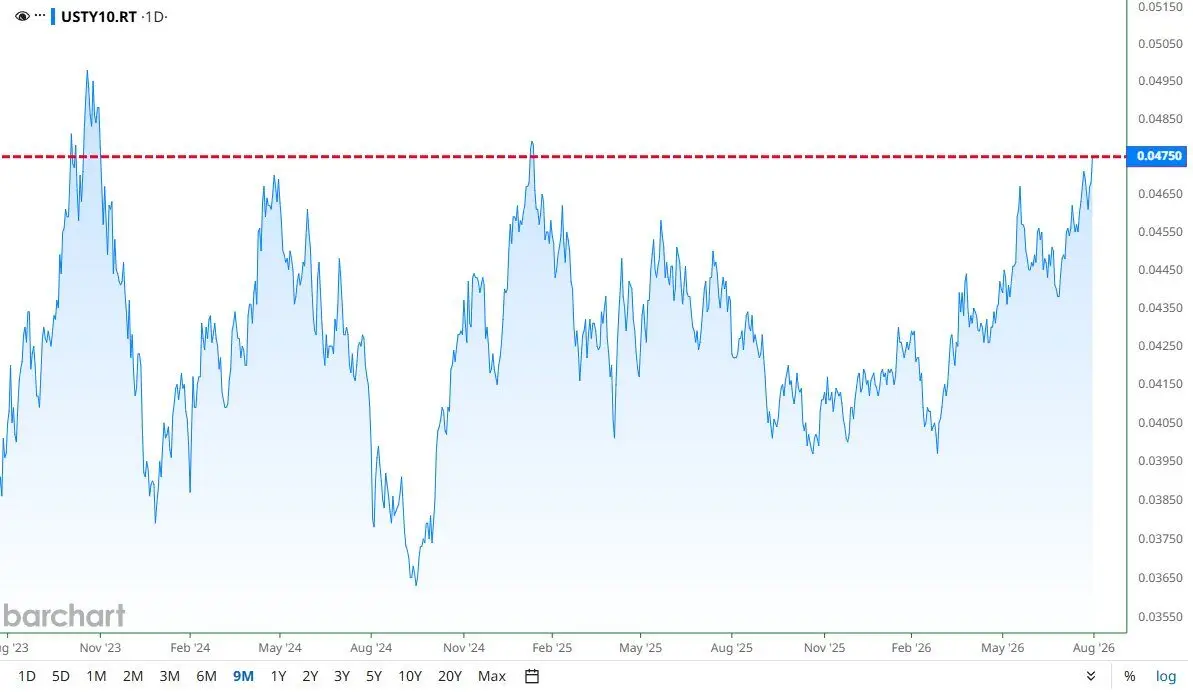 10-Year Yield Hits 4.75%, an 18-Month High – Why the Bond Market Is About to Revolt
  Bond Market Puts Warsh’s 2% Promise to the Test as 30-Year Yield Hits 19-Year High
 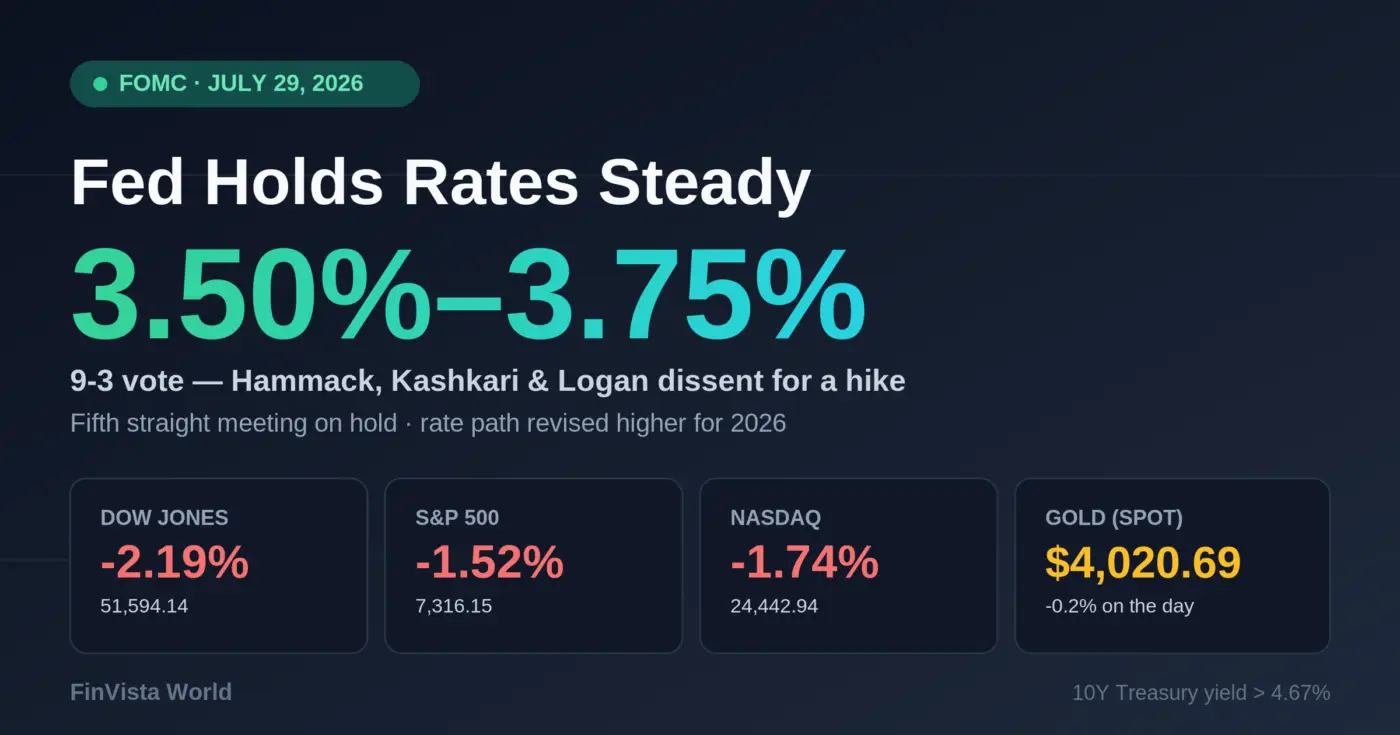 Fed Holds Rates Steady at July 2026 Meeting as Three Officials Dissent, Stocks Tumble