
The cryptocurrency space has seen billions of dollars lost to hacks, scams, phishing attacks, and user error over the years. In 2026, as crypto adoption grows and more retail and institutional investors hold digital assets, attackers have become more sophisticated — deploying AI-powered phishing, social engineering, and smart contract exploits. This comprehensive security guide covers everything you need to protect your crypto portfolio in 2026.
The Biggest Crypto Security Threats in 2026
Understanding the threat landscape is the first step to protection. The leading causes of crypto loss in 2026 are:
- Exchange hacks: Centralized exchanges remain prime targets. Notable hacks include FTX (2022), Bybit (2025 — $1.5B stolen by Lazarus Group)
- Phishing attacks: Fake websites, emails, and social media impersonating legitimate crypto services
- Seed phrase theft: Malware, social engineering, or physical theft of 12/24-word recovery phrases
- Smart contract exploits: Bugs in DeFi protocols allowing attackers to drain funds
- SIM-swapping: Attackers take over phone numbers to bypass SMS 2FA
- AI-powered scams: Deepfake videos and AI voice cloning to impersonate celebrities or support staff
- Clipboard hijacking: Malware that replaces copied wallet addresses with attacker addresses
Essential Security Tools: Hardware Wallets
The single most important security upgrade for any serious crypto holder is a hardware wallet (cold wallet). Hardware wallets store your private keys offline — completely isolated from internet-connected devices. Even if your computer is compromised, attackers cannot access funds without physical possession of the device.
Top Hardware Wallets in 2026
| Device | Best For | Price Range | Notable Feature |
|---|---|---|---|
| Ledger Nano X | General use / DeFi | $149 | Bluetooth, 100+ coin support |
| Trezor Model T | Bitcoin focus / Privacy | $219 | Open-source firmware, touchscreen |
| Coldcard Mk4 | Bitcoin maximalists | $157 | Air-gapped signing, most secure |
| Foundation Passport | Bitcoin / Privacy | $199 | Open-source, air-gapped |
The 10 Commandments of Crypto Security
- Never share your seed phrase — with anyone, ever. No legitimate service will ever ask for it.
- Use a hardware wallet for any amount you cannot afford to lose.
- Enable 2FA — use an authenticator app (Authy, Google Authenticator), never SMS.
- Bookmark your exchanges — never click links in emails or DMs. Type URLs directly.
- Verify wallet addresses before sending — check first and last 6 characters at minimum.
- Use a dedicated device for crypto transactions — never on a shared or work computer.
- Keep software updated — operating systems, wallets, and browser extensions.
- Be suspicious of everything — unsolicited DMs, “too good to be true” yields, celebrity endorsements.
- Use separate emails for crypto accounts — not your personal or work email.
- Store seed phrases physically — metal backup plates, fireproof safe. Never in cloud storage or photos.
Recognizing and Avoiding Common Crypto Scams
| Scam Type | How It Works | How to Avoid |
|---|---|---|
| Fake exchange/wallet | Cloned website steals login credentials | Bookmark official sites, check SSL |
| Pig butchering | Romance scam → fake investment platform | Never send crypto to romantic strangers |
| Rug pull | Dev abandons project after fundraising | Check team, audit, locked liquidity |
| Approval phishing | Malicious dApp gains unlimited token approval | Use Revoke.cash, check approvals regularly |
| Fake support | Impersonates Binance/MetaMask support in Discord | Official support never DMs first |
| Deepfake celebrity | AI video of Elon Musk promoting giveaway scam | No legitimate giveaway requires you to send first |
What to Do If You’re Hacked
- Immediately move remaining assets to a new, clean wallet with a fresh seed phrase
- Revoke all token approvals on Revoke.cash or Etherscan Token Approvals
- Change all exchange passwords and enable new 2FA
- Report to exchange immediately (they may freeze withdrawals to hacker addresses)
- File a report with your country’s cybercrime authority
- Document everything — blockchain transactions, screenshots, communications
Frequently Asked Questions
Is it safe to keep crypto on Binance or Coinbase?
Major regulated exchanges have improved security significantly, but “not your keys, not your coins” remains the rule. Exchange-held crypto carries counterparty risk (exchange insolvency, hacks). Self-custody with a hardware wallet is safer for long-term holdings.
Can stolen crypto be recovered?
In most cases, no. Blockchain transactions are irreversible. Some funds have been recovered through exchange freezes, law enforcement cooperation, or blockchain analytics, but this is the exception, not the rule.
⚠ Risk Disclaimer: This guide is for educational purposes only. No security measure is 100% foolproof. Always do your own research and consult cybersecurity professionals for high-value holdings.
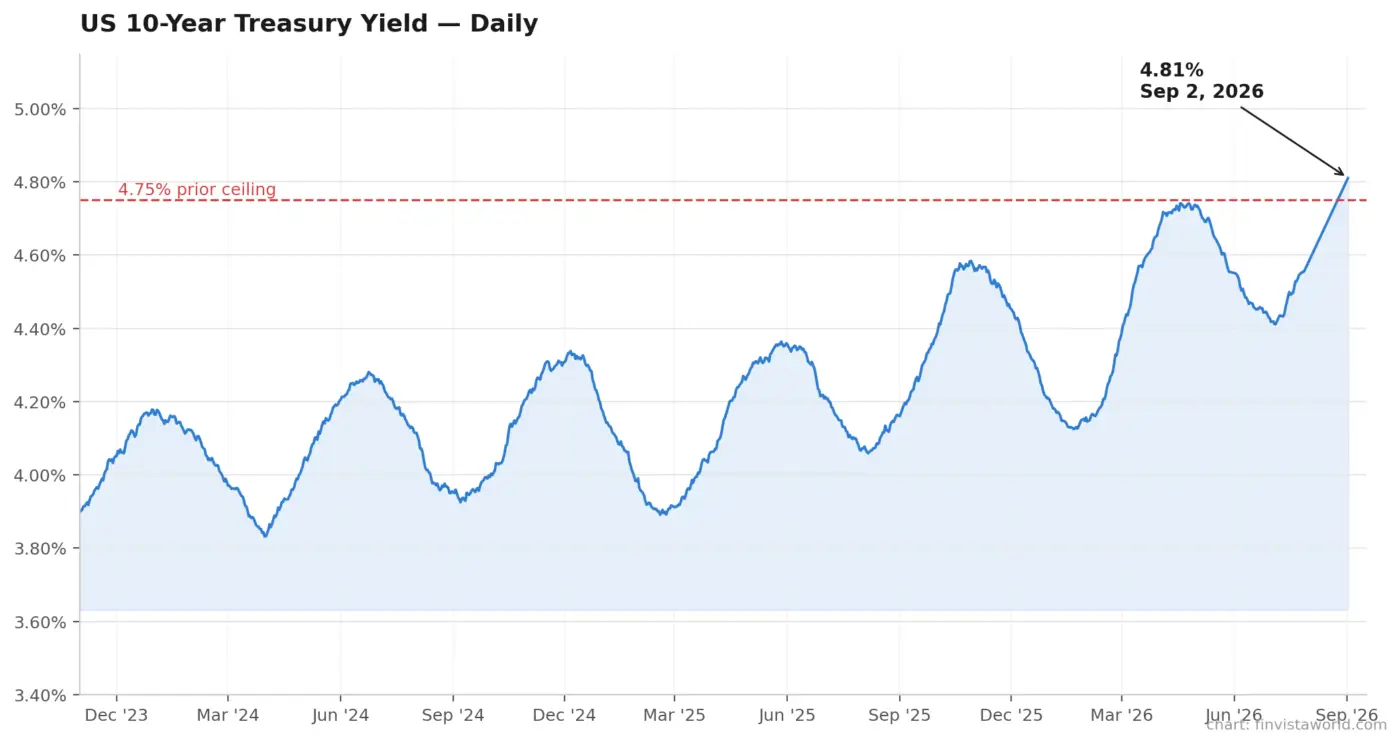 ADP Jobs Miss Collides With Rising Yields: Wall Street Stalls as 10-Year Hits 4.81%
 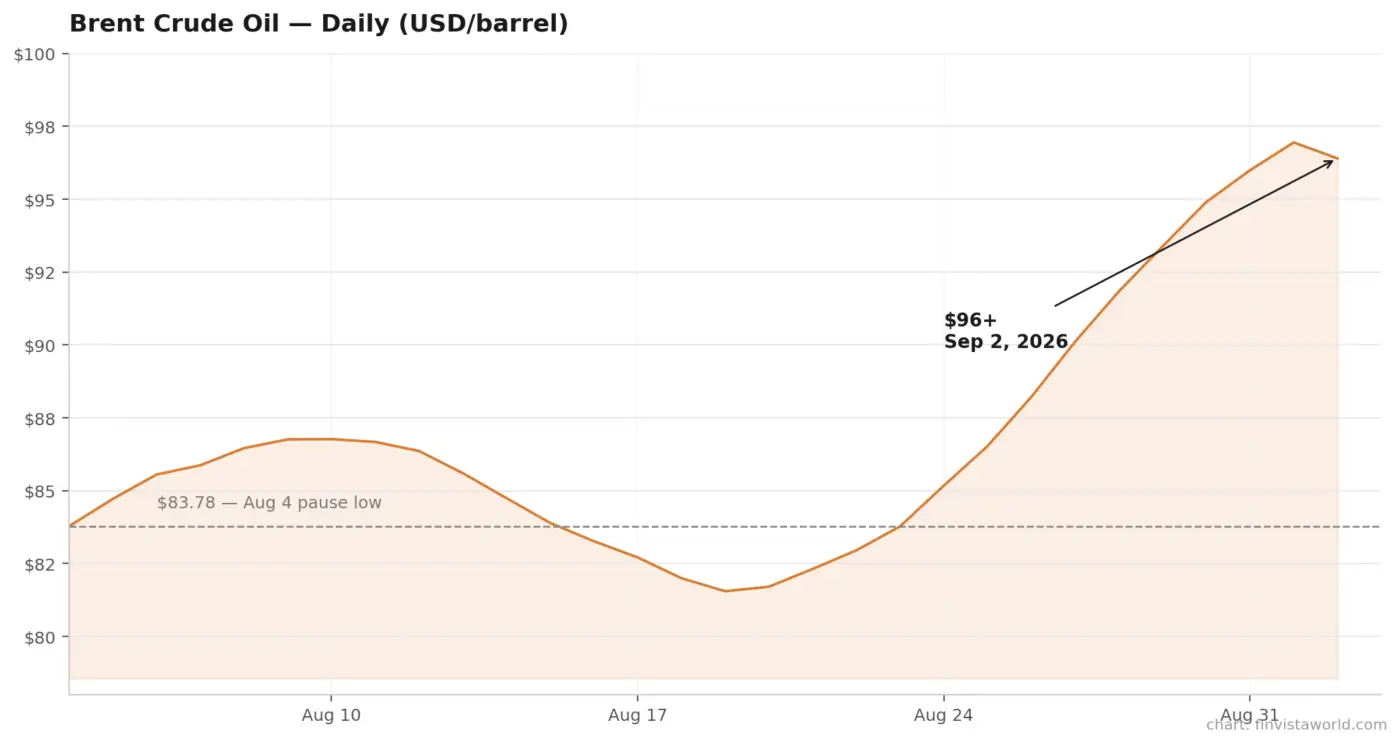 Iran War Reignites: Oil Tops $96, Stocks and Gold Slide Together as Fed Rate-Hike Odds Hit 70%
  Oil Sinks 6%, Dow Hits Record High as Iran Pause Reprices Markets – Crypto Sits It Out
 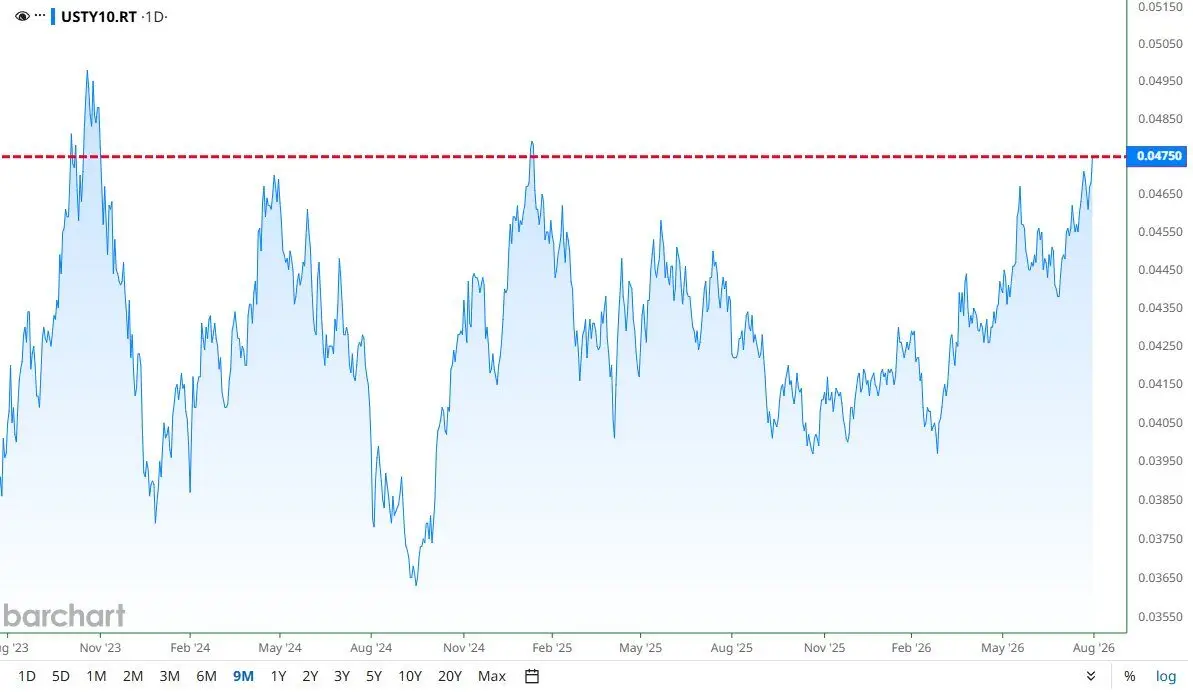 10-Year Yield Hits 4.75%, an 18-Month High – Why the Bond Market Is About to Revolt
  Bond Market Puts Warsh’s 2% Promise to the Test as 30-Year Yield Hits 19-Year High
 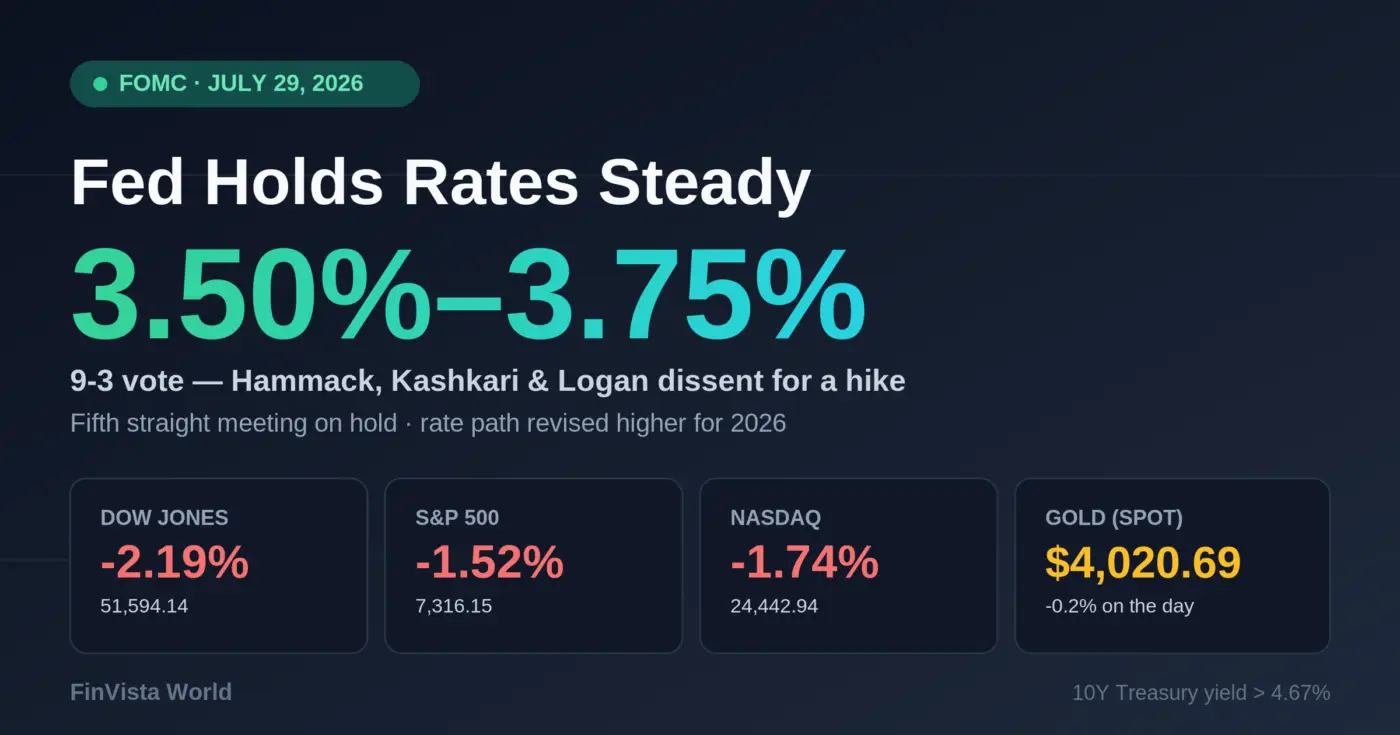 Fed Holds Rates Steady at July 2026 Meeting as Three Officials Dissent, Stocks Tumble