

Central Bank Digital Currencies (CBDCs) represent one of the most significant monetary developments of the decade — and their relationship with decentralized cryptocurrencies is complex, controversial, and evolving rapidly. By mid-2026, over 130 countries are in various stages of CBDC research, piloting, or live deployment. Understanding how CBDCs differ from crypto and how they might interact is essential for any investor or trader in the digital asset space.
What Is a CBDC?
A CBDC is a digital form of a country’s fiat currency, issued and controlled by the central bank. Unlike Bitcoin or Ethereum, CBDCs are:
- Centralized: Controlled by the issuing government/central bank
- Not scarce: Supply can be expanded or contracted by monetary policy
- Permissioned: Transactions can be monitored, restricted, or reversed by authorities
- Programmable: Can include expiry dates, spending restrictions, or automatic tax collection
- Fiat-backed: Value is tied to the national currency, not market forces
Global CBDC Progress (2026)

| Country/Region | CBDC Name | Status |
|---|---|---|
| China | Digital Yuan (e-CNY) | ✅ Live — 260M+ wallets |
| European Union | Digital Euro | 🔄 Preparation phase (2026) |
| India | e-Rupee | ✅ Live — wholesale + retail pilots |
| Brazil | DREX | ✅ Live wholesale, retail expanding |
| United States | FedNow + CBDC research | ⏸ Research only — political resistance |
| UK | Digital Pound | 🔄 Consultation phase |
| Bahamas | Sand Dollar | ✅ First live retail CBDC (2020) |
| Nigeria | eNaira | ✅ Live — limited adoption |
How CBDCs Affect Crypto Markets
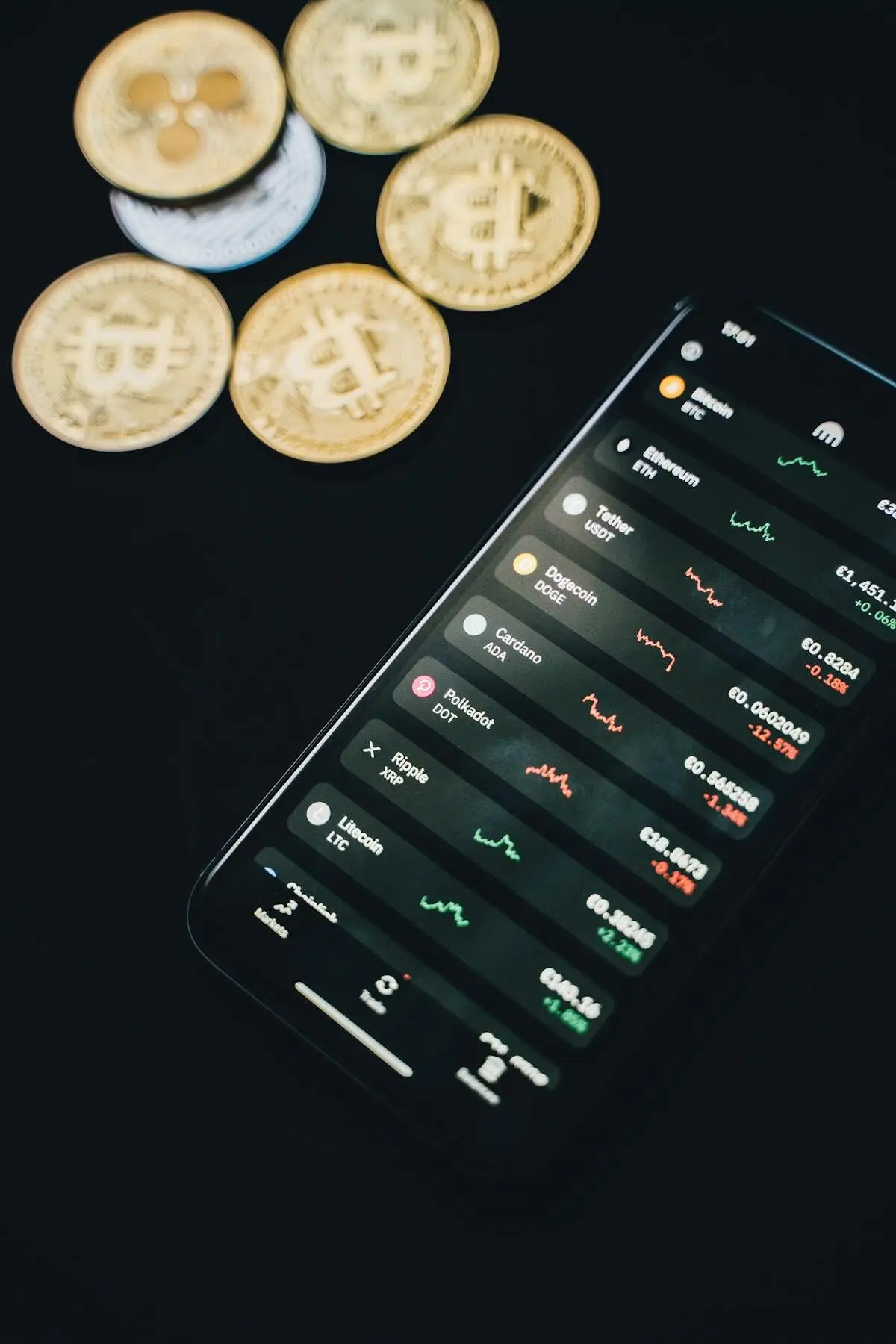
Threat: CBDCs as Stablecoin Competition
CBDCs directly compete with stablecoins like USDC and USDT for the “digital dollar” use case. If the Digital Euro or Digital Dollar becomes widely adopted, demand for EUR-pegged or USD-pegged stablecoins could decline. However, DeFi stablecoins serve different use cases (permissionless, composable) that CBDCs cannot easily replicate.
Opportunity: CBDC-Crypto Bridges
Several CBDC initiatives are being built on public blockchains or with interoperability protocols. Ripple is running CBDC infrastructure pilots for multiple central banks. Projects like Partior (JP Morgan, DBS, Temasek) use tokenized currencies for cross-border settlement. This creates demand for blockchain infrastructure.
Risk: Financial Surveillance and Privacy
The programmable nature of CBDCs raises serious privacy concerns. A government could theoretically restrict spending, impose negative interest rates automatically, or freeze accounts without judicial process. This privacy threat is driving demand for privacy-preserving cryptocurrencies (Monero, Zcash) and decentralized finance.
CBDCs vs. Bitcoin: Key Differences
| Feature | CBDC | Bitcoin |
|---|---|---|
| Control | Central bank | No one (decentralized) |
| Supply | Unlimited (policy-driven) | 21 million cap (fixed) |
| Privacy | None (full government visibility) | Pseudonymous |
| Censorship | Yes — can be frozen/restricted | No — permissionless |
| Inflation hedge | No | Yes (fixed supply) |
Frequently Asked Questions
Will CBDCs replace crypto?
CBDCs and crypto serve fundamentally different purposes. CBDCs are government-controlled digital fiat. Crypto (especially Bitcoin and Ethereum) offers decentralization, censorship-resistance, and programmability without a central authority. They are more likely to coexist — and compete in the stablecoin/payment space.
Are CBDCs good or bad for Bitcoin?
CBDCs could increase awareness of digital currencies generally, potentially onboarding people who later discover Bitcoin. However, if CBDCs restrict crypto purchases or wallets, they could suppress demand. The outcome depends heavily on regulatory implementation in each country.
⚠ Risk Disclaimer: This article discusses financial and monetary policy topics for informational purposes only. It does not constitute financial or legal advice. Always consult qualified professionals for investment decisions.
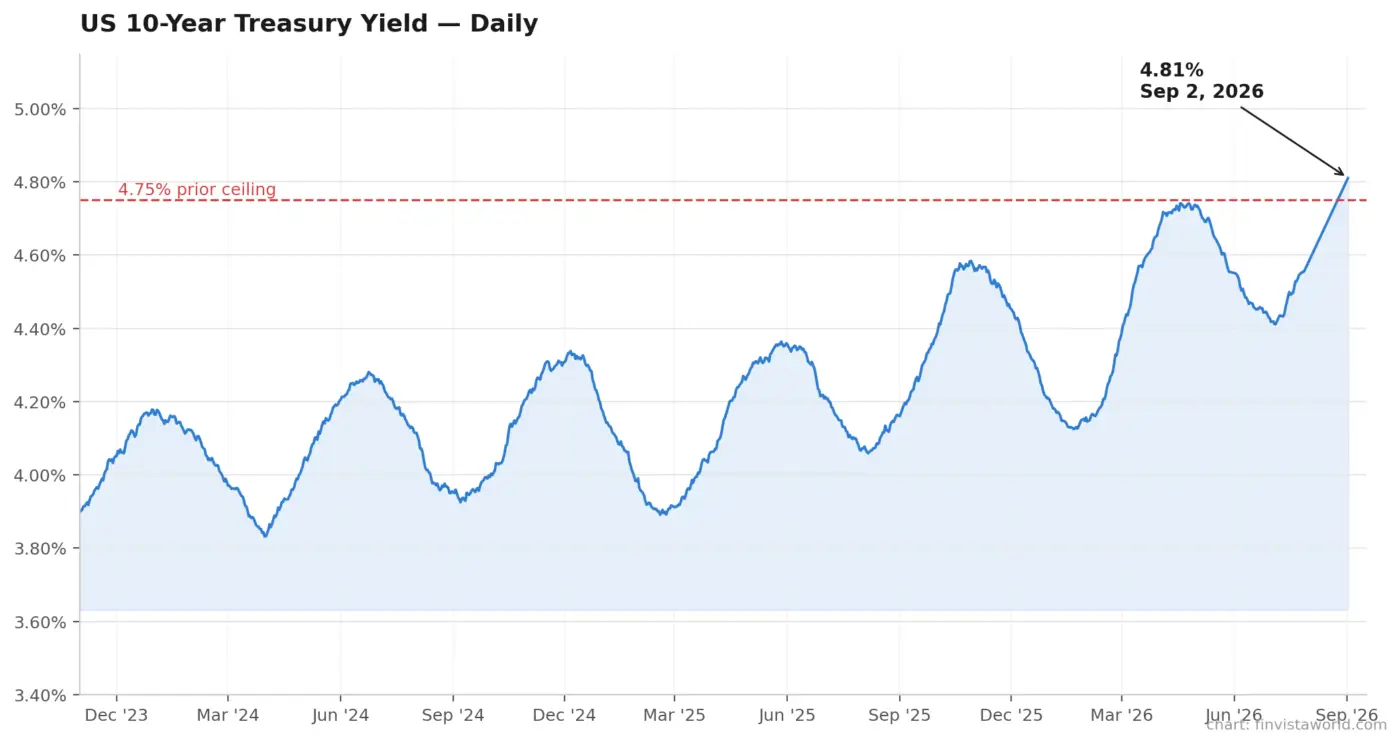 ADP Jobs Miss Collides With Rising Yields: Wall Street Stalls as 10-Year Hits 4.81%
 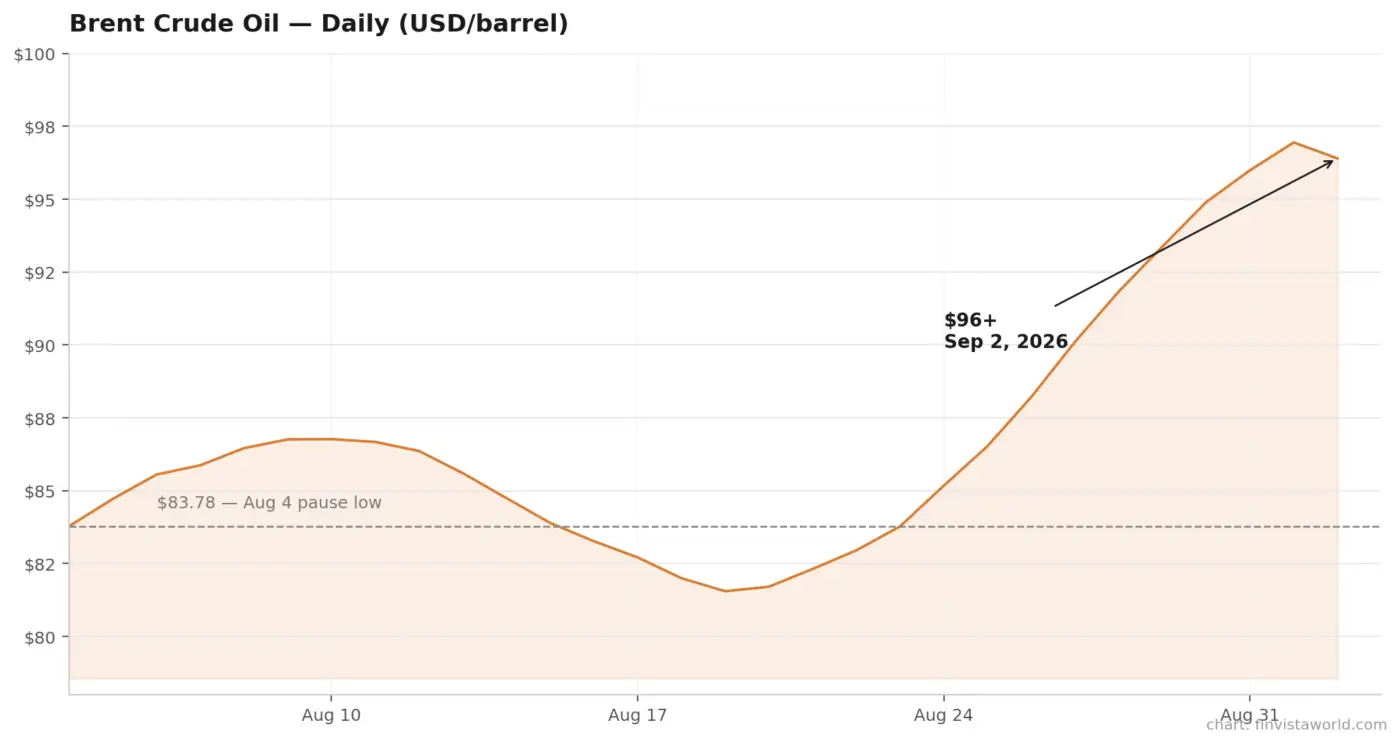 Iran War Reignites: Oil Tops $96, Stocks and Gold Slide Together as Fed Rate-Hike Odds Hit 70%
  Oil Sinks 6%, Dow Hits Record High as Iran Pause Reprices Markets – Crypto Sits It Out
 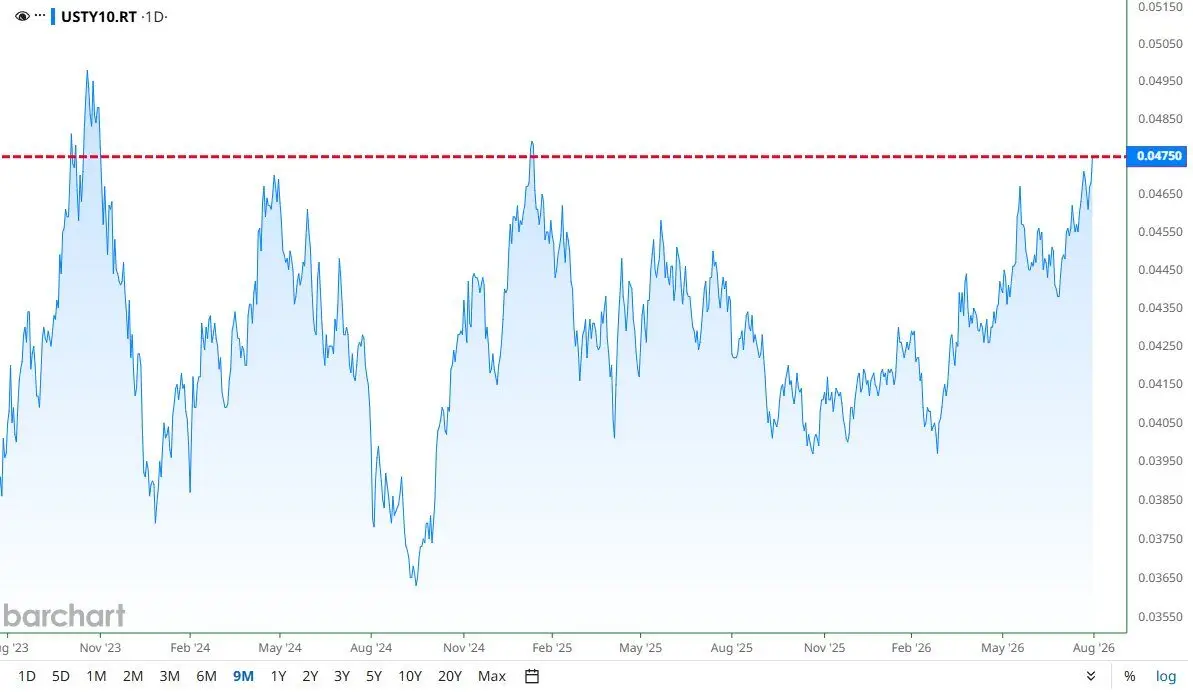 10-Year Yield Hits 4.75%, an 18-Month High – Why the Bond Market Is About to Revolt
  Bond Market Puts Warsh’s 2% Promise to the Test as 30-Year Yield Hits 19-Year High
 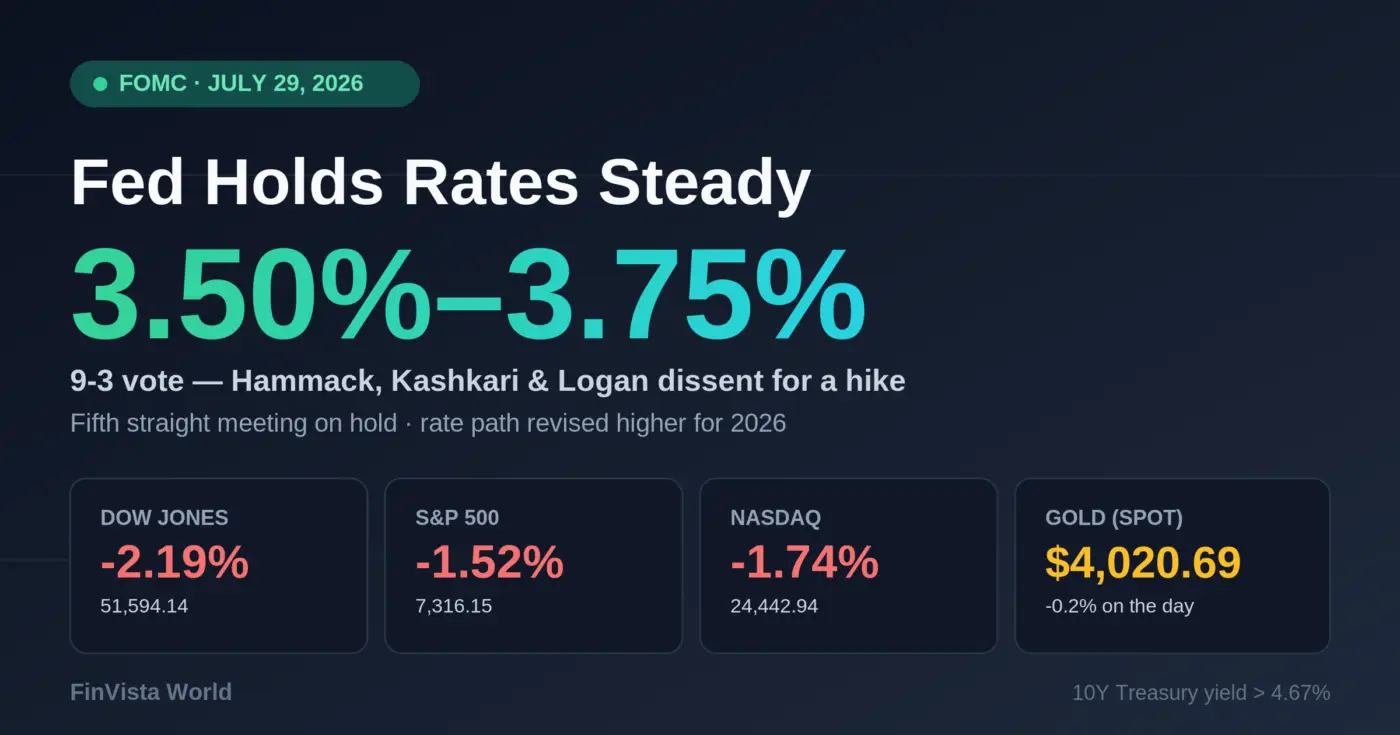 Fed Holds Rates Steady at July 2026 Meeting as Three Officials Dissent, Stocks Tumble