

Web3 gaming in 2026 is a far cry from the speculative play-to-earn (P2E) bubble of 2021. The industry has undergone a painful but necessary reset — abandoning unsustainable token inflation models in favor of genuine gameplay experiences with blockchain-based ownership. The result is a generation of games that would be compelling even without crypto incentives, but offer real digital ownership as an added layer. Investment in blockchain gaming reached record highs in 2025, with AAA studios entering the space and players genuinely enjoying games on-chain.
The Evolution of Play-to-Earn
The original P2E model (popularized by Axie Infinity in 2021) was fundamentally broken: new players funded rewards for earlier players in a Ponzi-like structure. When player inflows stopped, token prices collapsed and the economies imploded. Web3 Gaming 2.0 corrects this with:
- Play-and-earn (not just play-to-earn): Fun-first gameplay where earning is a bonus, not the primary motivation
- Sustainable tokenomics: Token sinks, burn mechanisms, and utility that creates genuine demand
- True digital ownership: In-game assets as NFTs tradeable on secondary markets
- Interoperability: Assets usable across multiple games in the same ecosystem
Top Web3 Games in 2026

| Game | Genre | Chain | Token |
|---|---|---|---|
| Illuvium | RPG / Auto-battler | Immutable X | ILV |
| Parallel | Trading Card Game | Base (Ethereum) | PRIME |
| Axie Infinity Homeland | City Builder | Ronin | AXS, SLP |
| Gods Unchained | Trading Card Game | Immutable X | GODS |
| Star Atlas | Space MMO | Solana | ATLAS, POLIS |
| Big Time | Action RPG | Ethereum | BIGTIME |
| Pixels | Social Farm / RPG | Ronin | PIXEL |
Token Economics in Web3 Gaming
Successful Web3 games in 2026 typically use a dual-token model to separate governance from in-game currency:
- Governance token (e.g., AXS, ILV): Limited supply, staking rights, DAO voting, premium rewards. These hold value because supply is constrained and utility is real.
- In-game currency (e.g., SLP, PIXEL): Used for crafting, breeding, or in-game purchases. More inflationary but controlled by game sinks.
The healthiest game economies have robust token sinks — ways to permanently remove tokens from circulation: crafting upgrades, tournament entry fees, seasonal resets, and cosmetic purchases.
Blockchain Gaming Investment and Market Size
| Metric | 2026 Data |
|---|---|
| Global blockchain gaming market size | $65B+ (projected) |
| VC investment in Web3 gaming (2025) | $3B+ |
| Daily active wallets in gaming | 800K–1.5M |
| Leading gaming blockchain | Immutable X, Ronin, Solana |
| AAA studios entering Web3 | Ubisoft, Square Enix, EA (experimental) |
Risks in Web3 Gaming
- Game abandonment: Many Web3 games go dark after initial funding — check team credibility and roadmap
- Token inflation: Games with poor tokenomics can see in-game currencies collapse rapidly
- Regulatory risk: Some jurisdictions classify play-to-earn games as gambling
- NFT asset risk: In-game NFTs can lose all value if the game shuts down or becomes unpopular
Frequently Asked Questions
Can you actually make money playing Web3 games in 2026?
Competitive or skilled players in established games (like Parallel or Gods Unchained) can earn meaningful income through tournament prizes, card flipping, and scholarship programs. Casual players should treat earnings as a bonus, not a livelihood.
What is a gaming guild in Web3?
Gaming guilds (like Yield Guild Games) lend NFT assets to players who cannot afford them. Players share a portion of their earnings with the guild. This model has evolved toward skill-based guilds that train and support competitive players.
⚠ Risk Disclaimer: Web3 gaming tokens and NFT assets are highly speculative investments. Gameplay does not guarantee profits. This article is for informational purposes only.
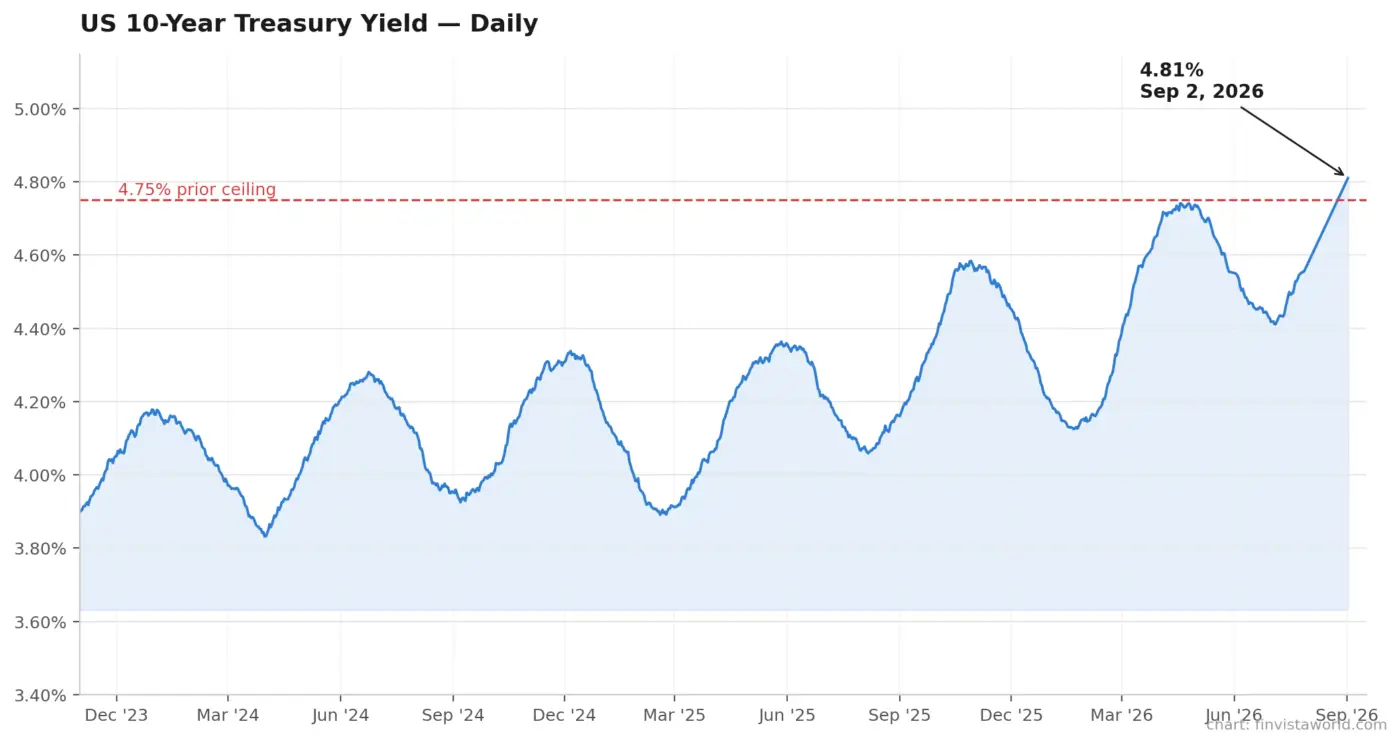 ADP Jobs Miss Collides With Rising Yields: Wall Street Stalls as 10-Year Hits 4.81%
 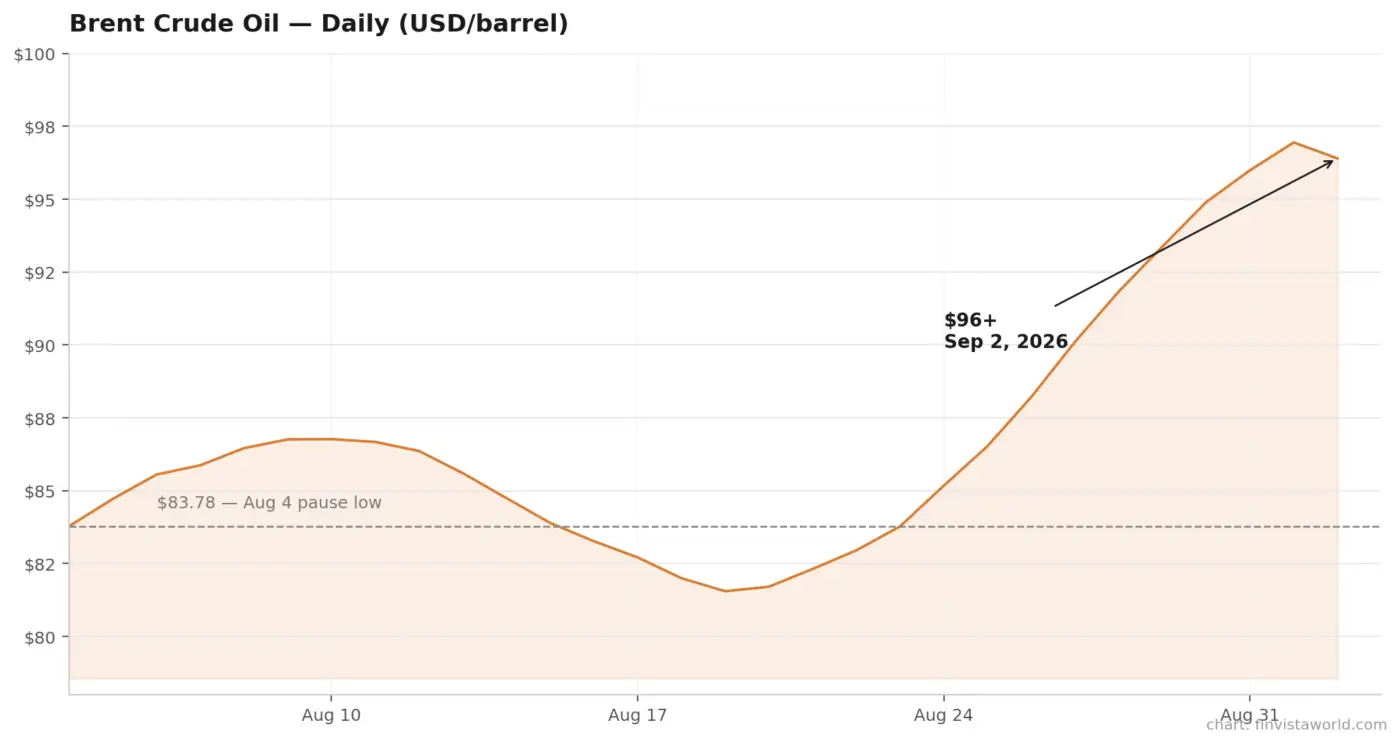 Iran War Reignites: Oil Tops $96, Stocks and Gold Slide Together as Fed Rate-Hike Odds Hit 70%
  Oil Sinks 6%, Dow Hits Record High as Iran Pause Reprices Markets – Crypto Sits It Out
 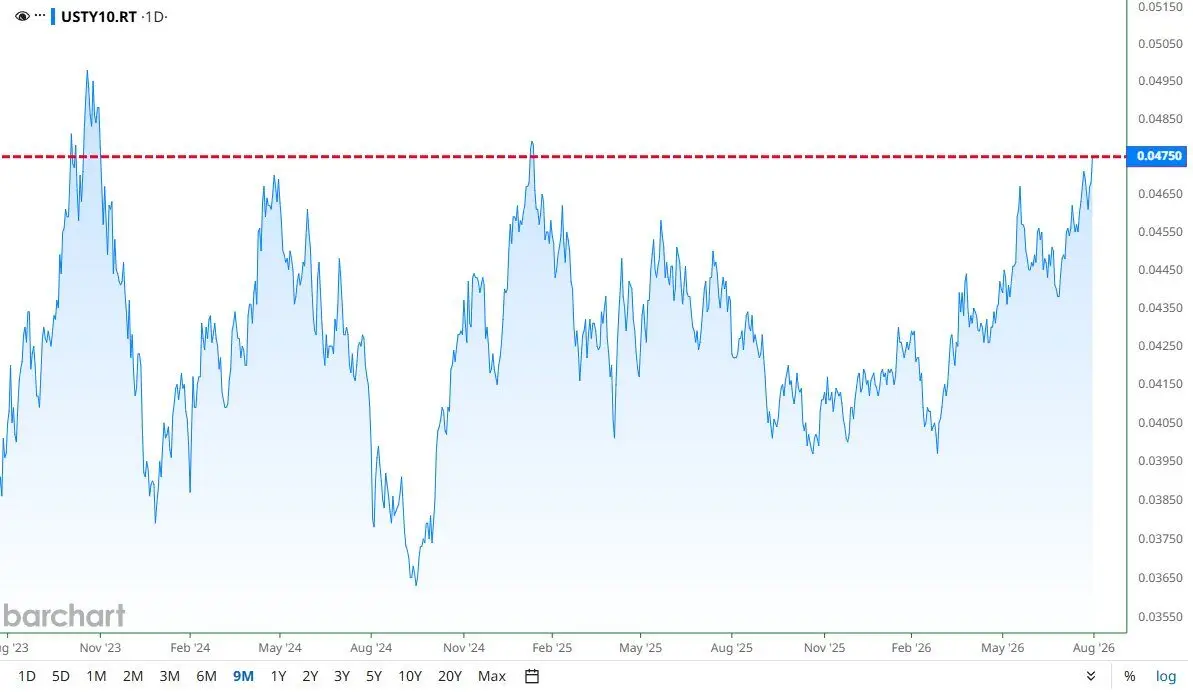 10-Year Yield Hits 4.75%, an 18-Month High – Why the Bond Market Is About to Revolt
  Bond Market Puts Warsh’s 2% Promise to the Test as 30-Year Yield Hits 19-Year High
 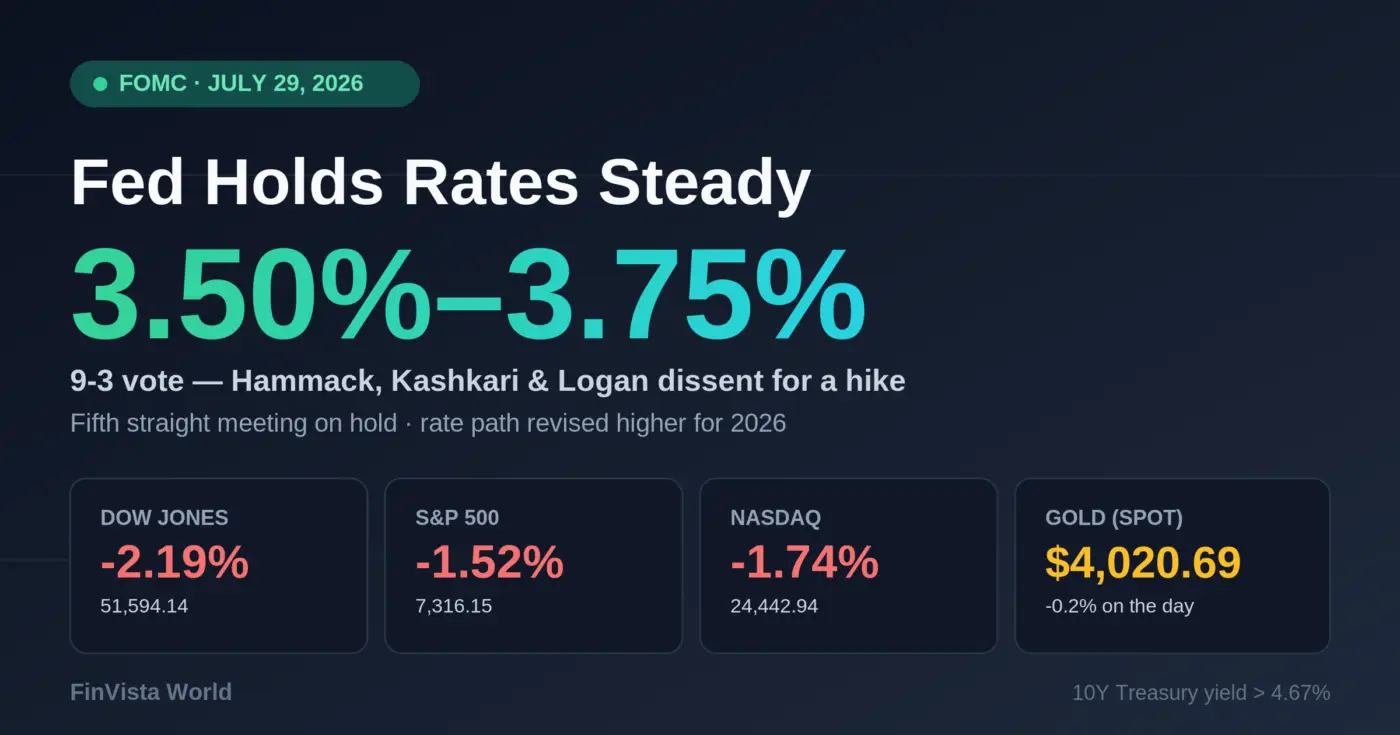 Fed Holds Rates Steady at July 2026 Meeting as Three Officials Dissent, Stocks Tumble