
The NFT (Non-Fungible Token) market has undergone a dramatic transformation since the speculative frenzy of 2021–2022. After a prolonged bear market that wiped out billions in speculative value, 2025–2026 marks the beginning of NFT 2.0 — a more mature phase defined by real utility, gaming integration, creator monetization, and institutional involvement. This analysis covers the state of NFT markets in June 2026, key trends, top collections, and what the future holds for digital ownership.
NFT Market Overview: From Speculation to Utility
At the height of the 2021–2022 bubble, NFT monthly trading volumes exceeded $4–5 billion. The crash that followed was brutal — volumes dropped 95%+ and many projects went to zero. However, this purge eliminated speculative noise and left behind projects with genuine utility, strong communities, and real-world integration. In 2026, the NFT market is rebuilding on these foundations:
- Gaming NFTs (in-game assets with real ownership and transferability)
- Music NFTs (artists monetizing directly with fans)
- Real-world asset (RWA) NFTs (tokenized property deeds, luxury goods)
- AI-generated art with verifiable provenance
- Brand loyalty and membership NFTs (ticketing, exclusive access)
NFT Trading Volume and Market Stats (2026)

| Metric | Value (June 2026) |
|---|---|
| Monthly Trading Volume | $400M–$800M |
| Active Wallets (monthly) | 400,000–600,000 |
| Top Marketplace | Blur + OpenSea (Ethereum), Tensor (Solana) |
| Leading Chain for NFTs | Ethereum + Solana (growing) |
| Fastest Growing Category | Gaming NFTs + RWA NFTs |
| Average Floor Price (Blue Chips) | Down 60–80% from 2022 ATH |
Top NFT Collections in 2026
| Collection | Chain | Why Still Relevant |
|---|---|---|
| CryptoPunks | Ethereum | OG status, Yuga Labs backing, brand recognition |
| Bored Ape Yacht Club | Ethereum | Celebrity holders, IP licensing, ApeCoin ecosystem |
| Pudgy Penguins | Ethereum + Abstract L2 | Toy licensing deal, mass-market reach |
| Mad Lads | Solana | Backpack wallet integration, Solana flagship collection |
| Azuki | Ethereum | Anime aesthetic, strong community, physical merch |
NFT 2.0: Utility-Driven Use Cases

Gaming NFTs
The biggest driver of NFT adoption in 2026 is blockchain gaming. Games like Parallel (card game on Ethereum), Illuvium, and Axie Infinity Homeland have evolved to create genuine demand for in-game NFT assets — land plots, characters, and equipment that players can trade freely on secondary markets. Unlike the P2E bubble of 2021, 2026’s gaming NFTs are valued for gameplay utility, not speculation.
Music NFTs
Platforms like Sound.xyz and Royal allow musicians to sell fractional royalty rights as NFTs directly to fans. Artists including Snoop Dogg, Grimes, and independent musicians have earned millions directly through NFT drops, bypassing traditional record label models.
Ticketing and Event Access
NFT-based ticketing (GET Protocol, Tokenproof, Courtyard) eliminates scalping, enables verified resale with artist royalties, and provides collectors with verifiable proof of attendance. Major sports leagues and concert venues are piloting NFT ticketing at scale in 2026.
Risks in the NFT Market
- Liquidity risk: Most NFTs can take days or weeks to sell at fair value
- Wash trading: Artificially inflated volumes on marketplaces can mislead buyers
- IP and copyright issues: Ownership of an NFT does not automatically grant copyright to the underlying artwork
- Project abandonment: Many NFT projects have been abandoned by their teams (“rugs”)
- Regulatory uncertainty: NFTs may be classified as securities in some jurisdictions
Frequently Asked Questions
Are NFTs dead?
The speculative bubble burst, but NFTs as a technology are very much alive. Utility-focused NFTs in gaming, ticketing, and creator monetization continue to grow in 2026.
Can I still make money with NFTs in 2026?
Yes, but speculation is riskier than ever. The best opportunities are in utility NFTs — gaming assets with genuine demand, or early positions in strong collections with active development teams.
What blockchain is best for NFTs?
Ethereum remains the standard for high-value NFTs. Solana offers faster and cheaper transactions and is growing rapidly for gaming NFTs. Base (Coinbase’s L2) is emerging as a creator-friendly chain.
⚠ Risk Disclaimer: NFT investments are highly speculative. Most NFT projects lose significant value over time. This content is for informational purposes only and is not financial advice.
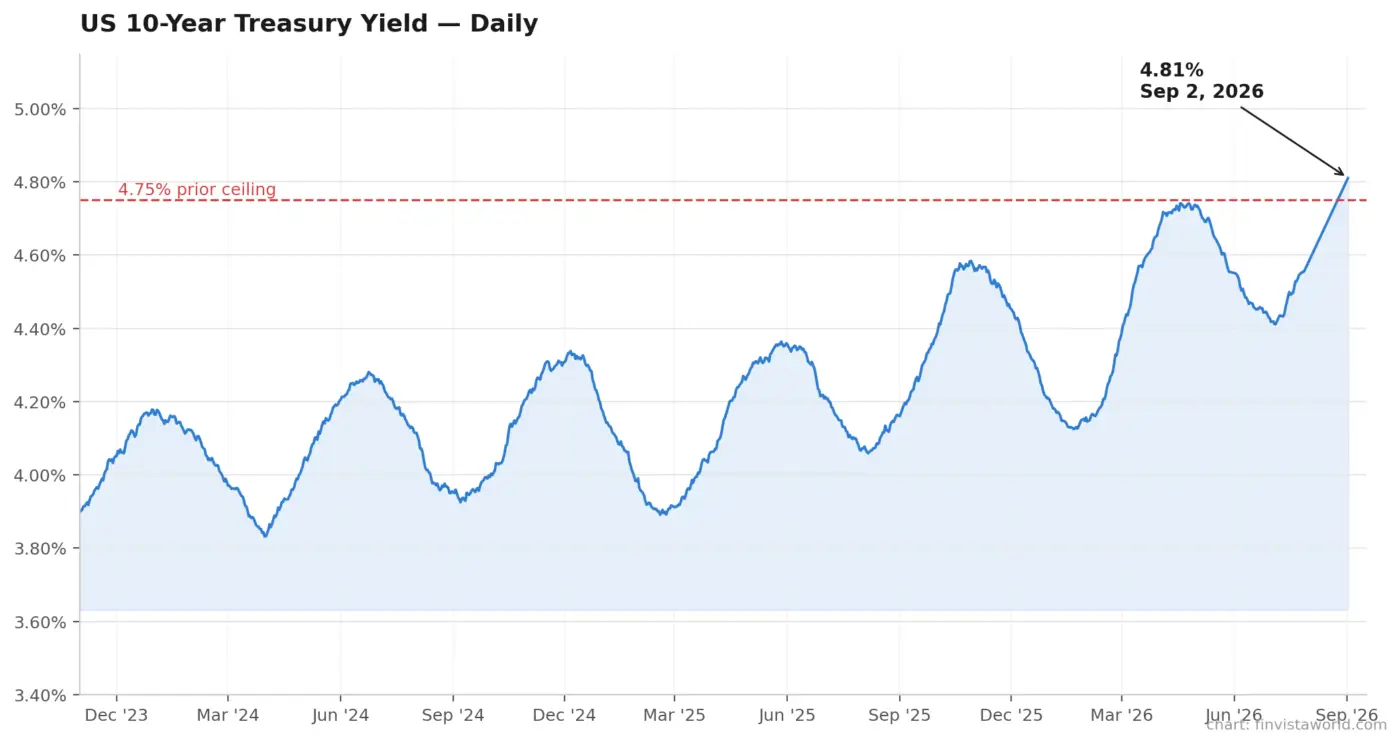 ADP Jobs Miss Collides With Rising Yields: Wall Street Stalls as 10-Year Hits 4.81%
 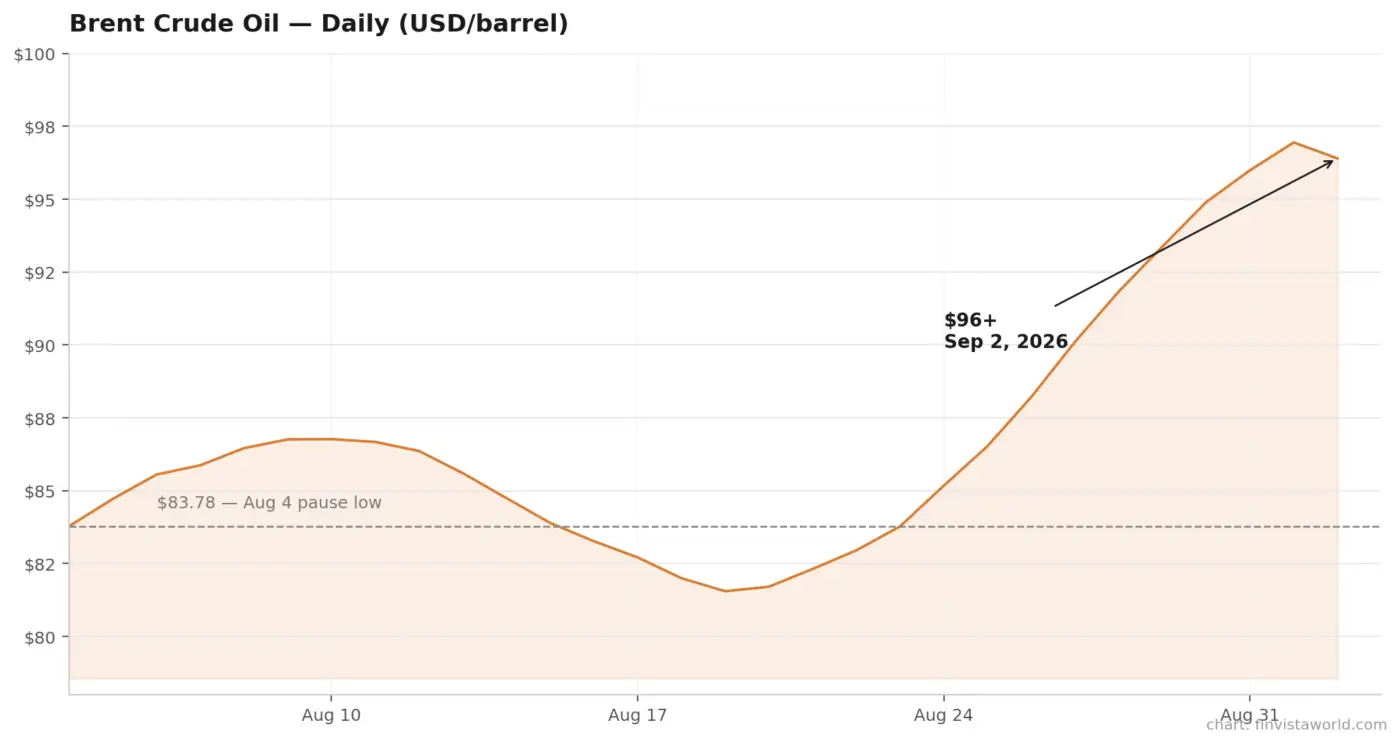 Iran War Reignites: Oil Tops $96, Stocks and Gold Slide Together as Fed Rate-Hike Odds Hit 70%
  Oil Sinks 6%, Dow Hits Record High as Iran Pause Reprices Markets – Crypto Sits It Out
 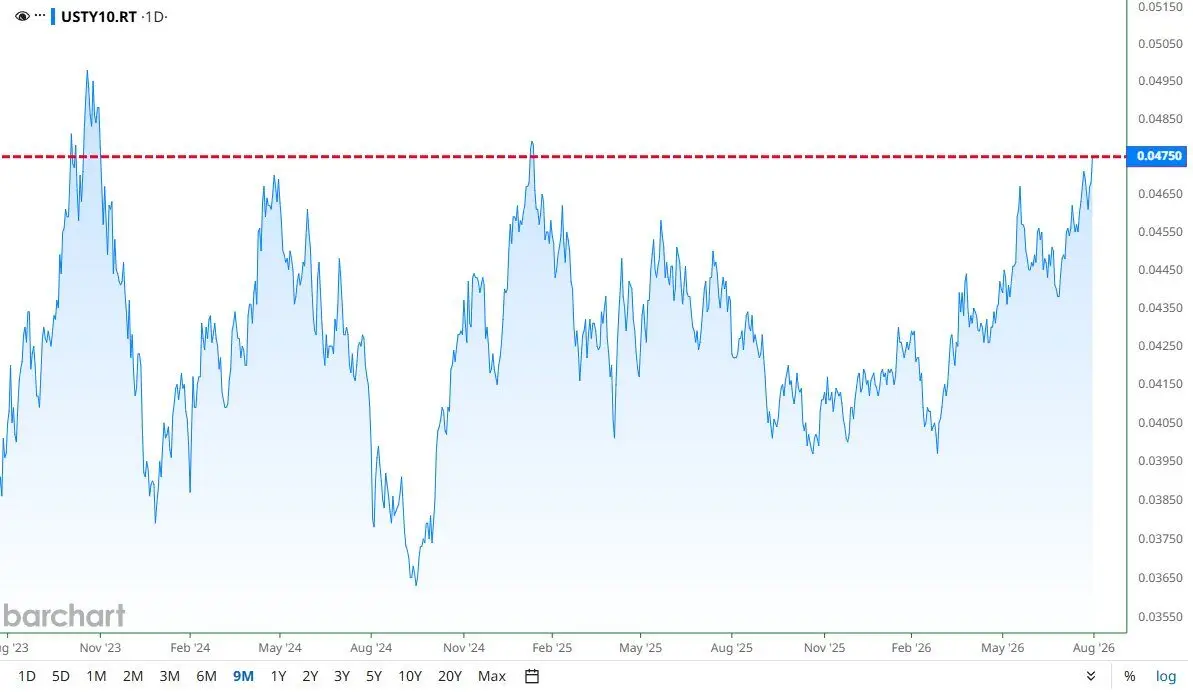 10-Year Yield Hits 4.75%, an 18-Month High – Why the Bond Market Is About to Revolt
  Bond Market Puts Warsh’s 2% Promise to the Test as 30-Year Yield Hits 19-Year High
 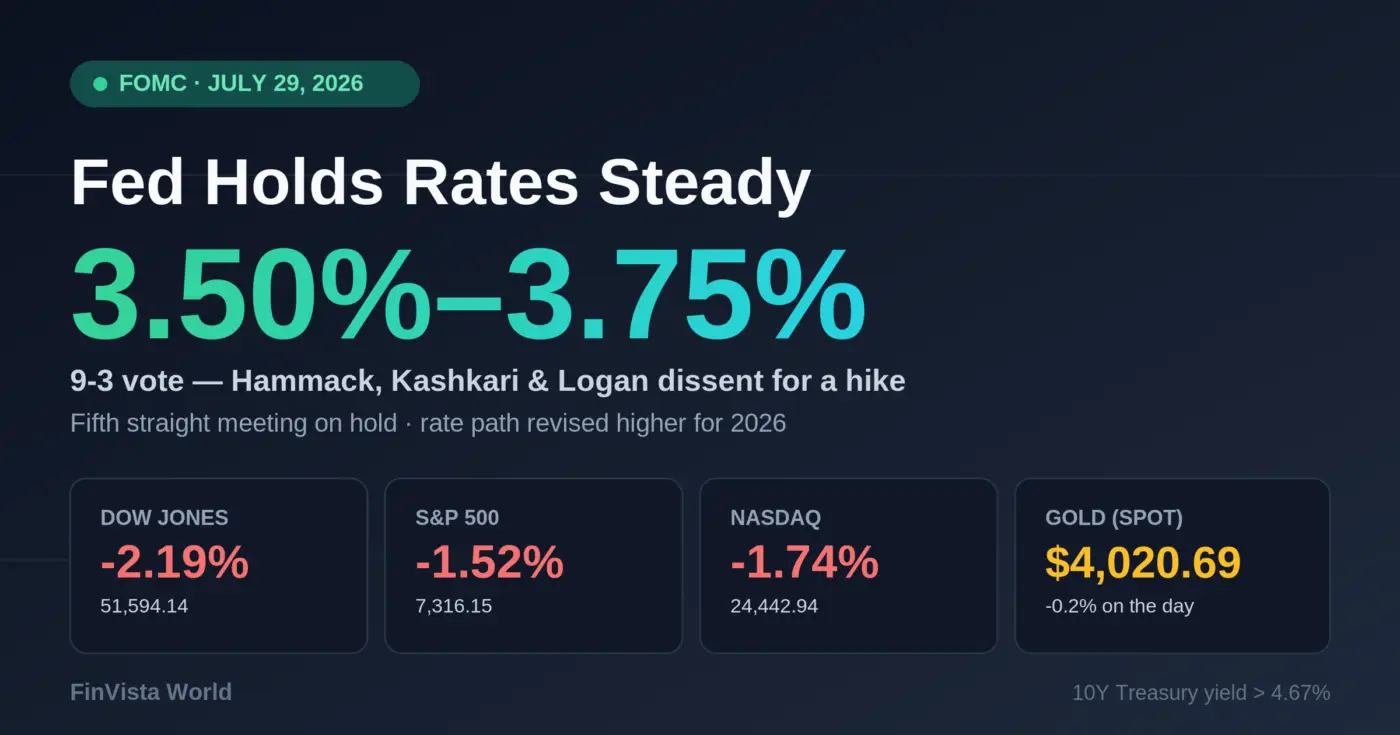 Fed Holds Rates Steady at July 2026 Meeting as Three Officials Dissent, Stocks Tumble