
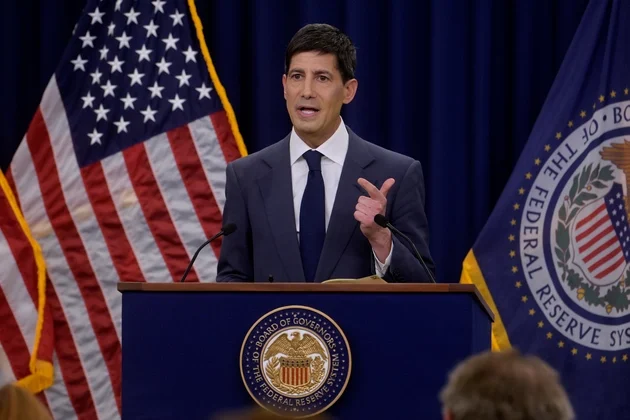
Fed Chair Kevin Warsh told reporters on July 29 that the central bank still has “only a target, and it’s 2%” – but the bond market answered by dumping long-dated Treasuries, pushing the 30-year yield to roughly 5.23%, its highest level in 19 years.
A 19-year high in the long bond
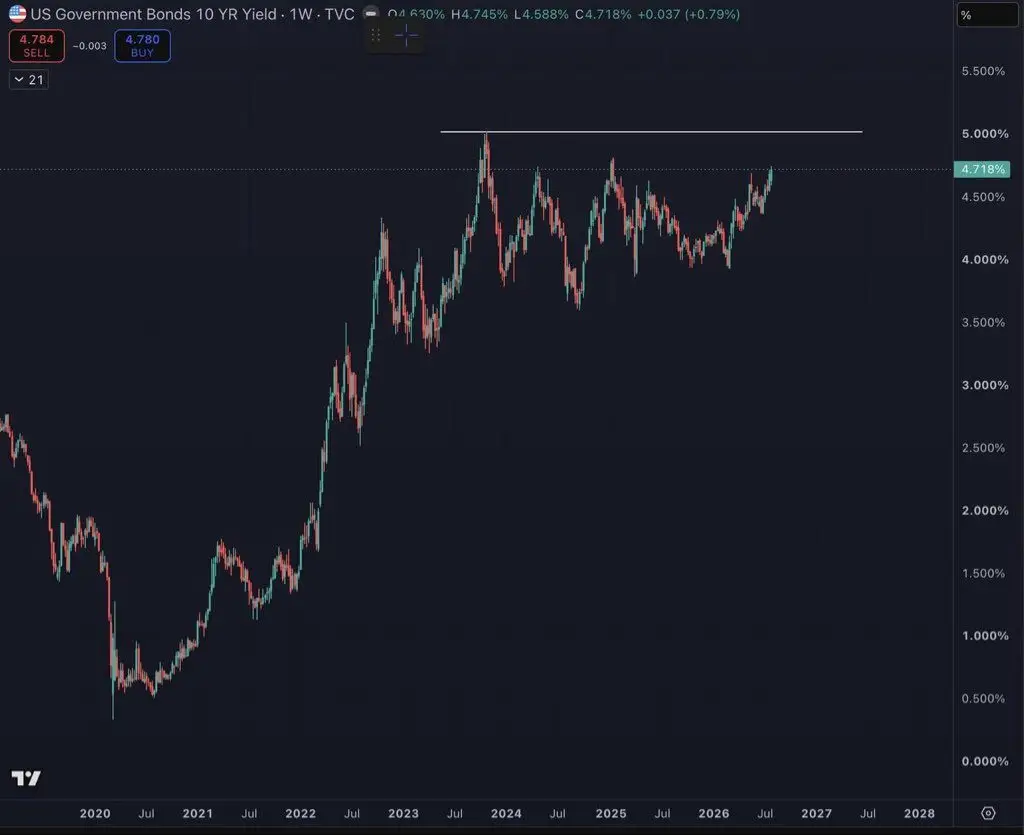
After the FOMC voted 9-3 to keep the federal funds rate at 3.50%-3.75% for a fifth straight meeting, investors sold the long end of the curve hard. The 30-year Treasury yield climbed to about 5.23%, a level last seen in 2007, while the 10-year yield rose roughly 5 basis points to 4.657%. That combination – the long end rising faster than the short end – is a classic steepening move, and it is the market’s way of saying it does not expect inflation back at 2% any time soon.
Our view
The 10Y yield is likely heading back to 5%. Long end rates will likely continue to rise, forcing the Fed to raise rates before the end of the year.
Why a steeper curve is a credibility signal
When a central bank is trusted to control inflation, long-dated yields stay reasonably anchored even when short-term policy is on hold. When that trust erodes, investors demand a bigger inflation premium to lend for 30 years, and the curve steepens. Fixed-income strategists reading last week’s move drew the blunt conclusion that Warsh’s policy strategy “lacks credibility” – not because of what he said, but because of what he refused to say.
Warsh has deliberately moved the Fed away from explicit forward guidance, and at the press conference he declined to spell out what conditions would actually push him to raise rates. For a chair who has staked his reputation on price stability, that silence left the bond market to fill in the blanks – and it filled them in with higher term premium rather than confidence.
The inflation data behind the argument
The case for patience is real. Headline CPI fell to 3.5% in June 2026, the first decline in five months, down from 4.2% in May and below the 3.8% consensus. Core CPI eased to 2.6% from 2.9%, also better than expected.
The case for hiking is just as real. Core PCE – the gauge the Fed actually targets – was still running at 3.3%, and inflation has now spent more than five years above the 2% objective. That is precisely why Cleveland’s Beth Hammack, Minneapolis’ Neel Kashkari and Dallas’ Lorie Logan dissented in favour of a 25 basis point increase.
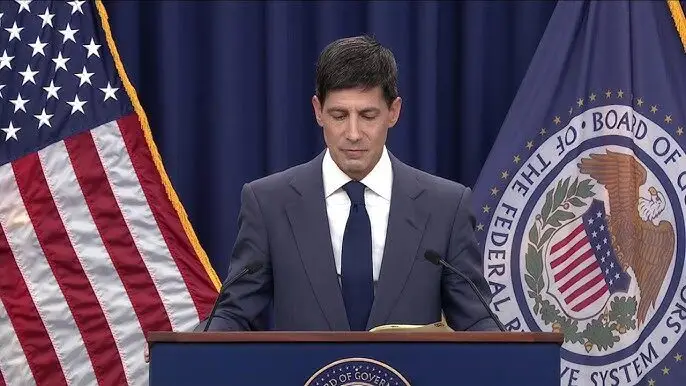
Warsh sided with neither camp cleanly. He called the softer CPI print “not much” of a consideration for him and described inflation as still elevated, while insisting the Fed would “deliver price stability” and would not hesitate to act. Saying inflation is unacceptable and then holding rates for a fifth meeting is exactly the gap the long end is pricing.
Gold and the dollar pull in opposite directions
The cross-asset reaction was split. Spot gold rose 1.9% to $4,101.99 an ounce on decision day as the dollar and front-end yields eased, capping a July gain of about 0.5% – its first monthly advance since February. Even so, gold remains roughly 28% below its January record of $5,598, weighed down since late February by the oil-price shock from the US-Iran conflict and the tighter policy expectations that followed.
For currency traders the setup is awkward. Rising long-end yields and a market pricing about a 63% chance of a September hike are dollar-supportive in the near term, but a steepening driven by credibility concerns rather than growth is not a clean dollar story – it is the kind of move that can flip quickly if the Fed’s rhetoric and its actions stop diverging.
What traders should watch this week
The 3-9 August calendar is unusually front-loaded with the data that will decide September. ISM Manufacturing PMI lands on 3 August, ADP employment and ISM Services PMI on 5 August, and the July non-farm payrolls report with the unemployment rate on 7 August. A hot labour market print would harden the hawkish dissent bloc’s case; a soft one would give Warsh the cover he needs to keep waiting.
The September meeting also brings a fresh Summary of Economic Projections, absent in July. That dot plot will be the first hard evidence of whether the hawkish tilt is spreading through the committee or stays confined to three regional presidents.
Market takeaway
Warsh’s problem is not that markets doubt his intentions – it is that they doubt his timeline. Until the Fed either hikes or explains precisely what would trigger a hike, the long end will keep charging an inflation-risk premium, and every payroll and CPI release will be traded as a referendum on the chair’s credibility rather than a routine data point. For traders, that means wider ranges in rates, a jumpier dollar and a gold market that reacts to Fed language as much as to Fed action.
This article is for informational purposes only and does not constitute financial or investment advice. Always do your own research before making trading decisions.
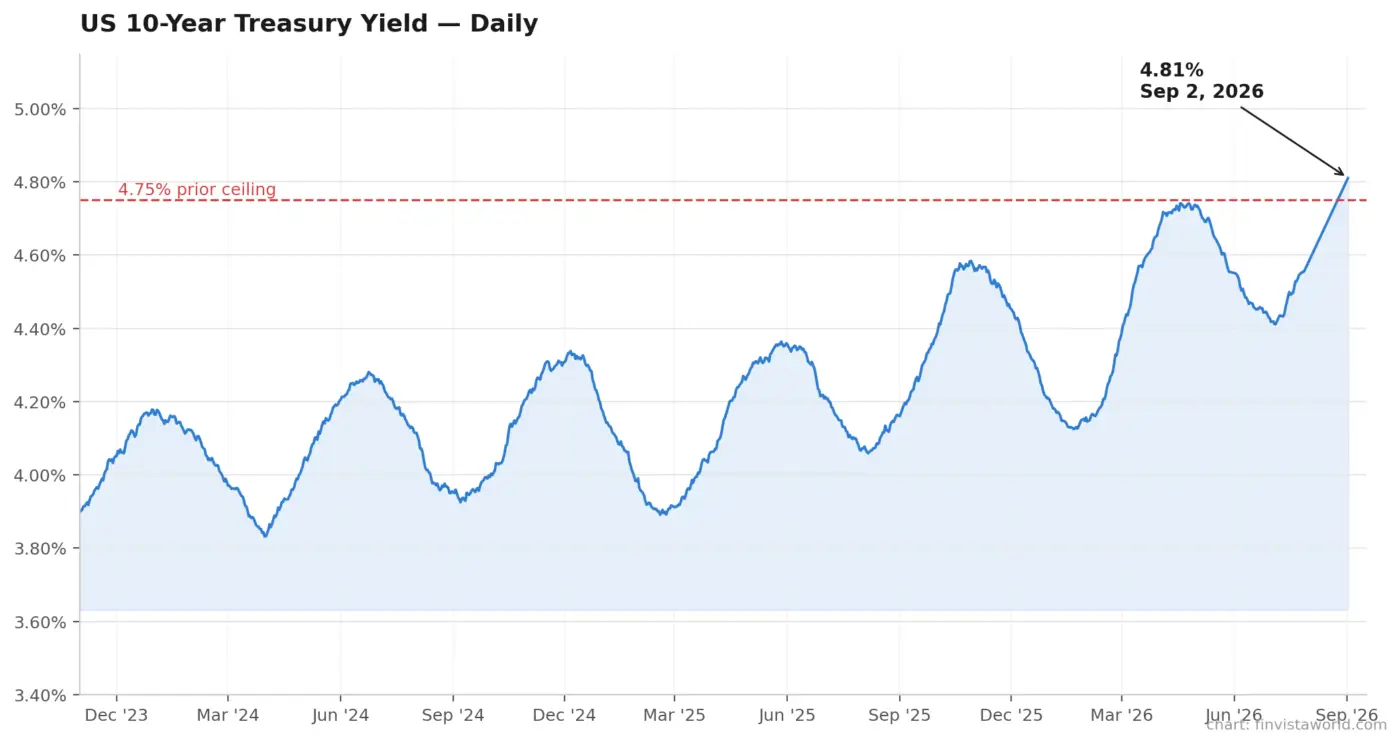 ADP Jobs Miss Collides With Rising Yields: Wall Street Stalls as 10-Year Hits 4.81%
 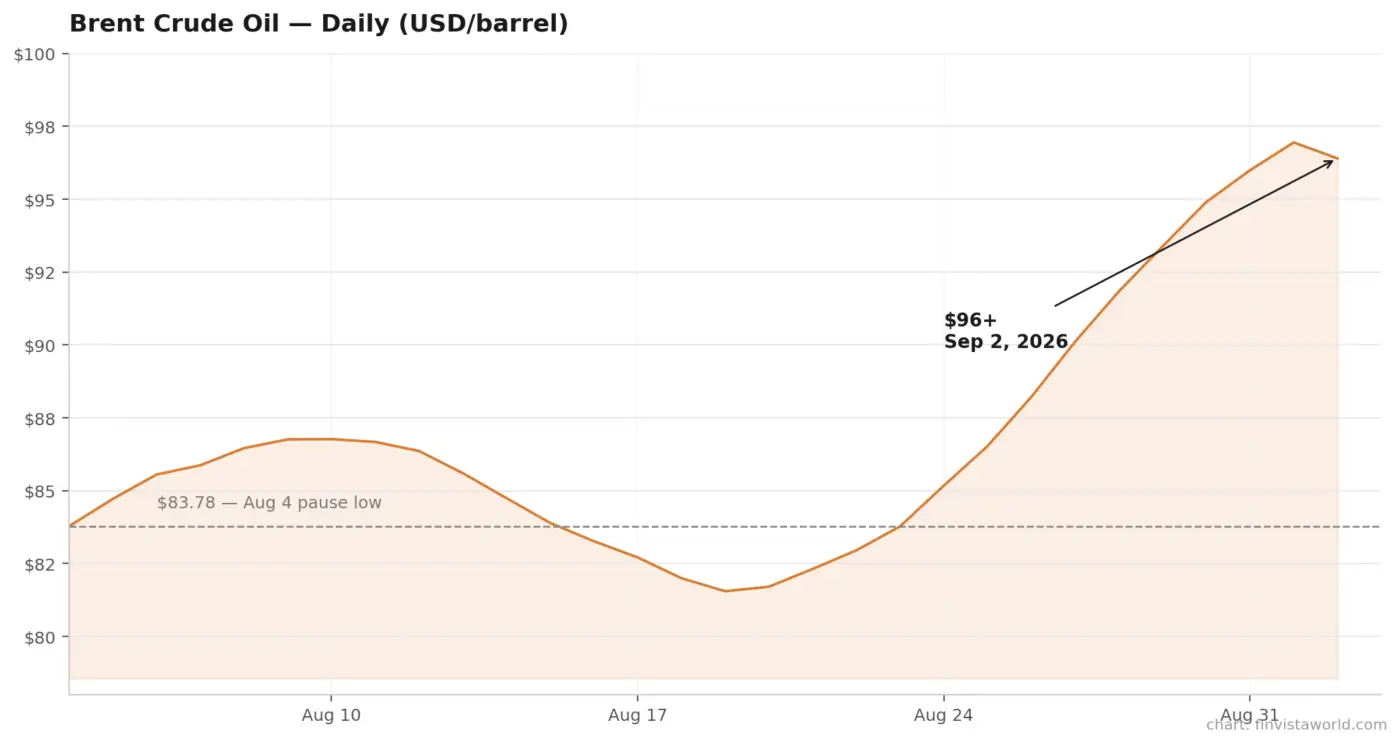 Iran War Reignites: Oil Tops $96, Stocks and Gold Slide Together as Fed Rate-Hike Odds Hit 70%
  Oil Sinks 6%, Dow Hits Record High as Iran Pause Reprices Markets – Crypto Sits It Out
 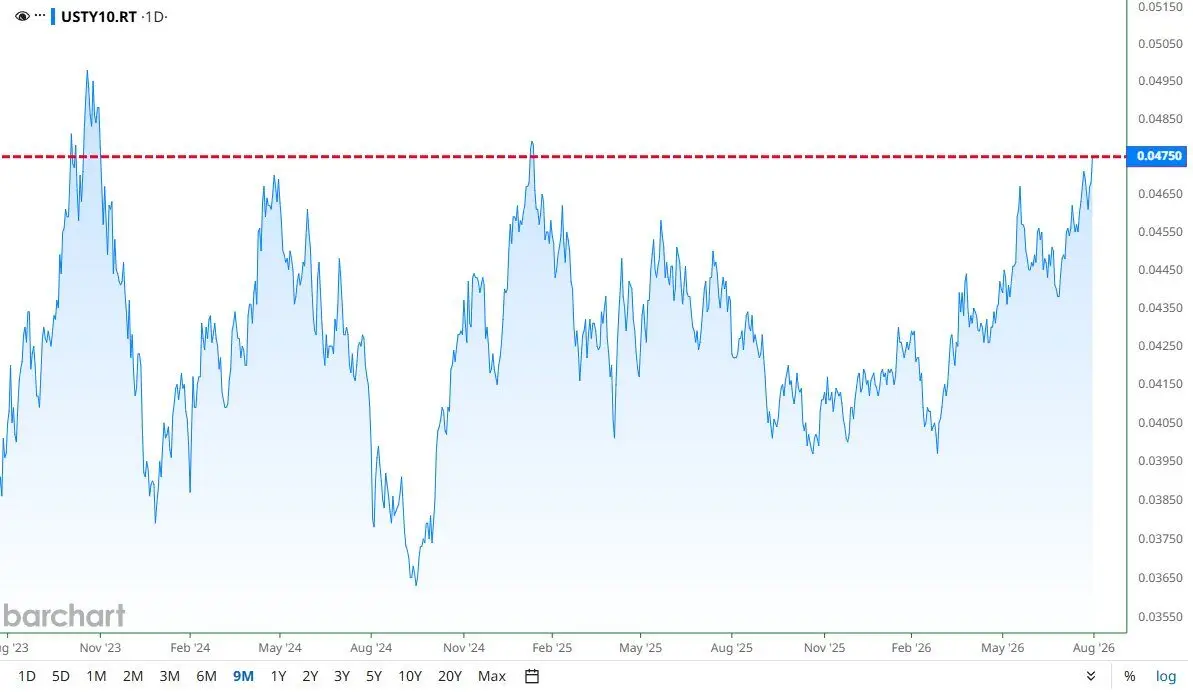 10-Year Yield Hits 4.75%, an 18-Month High – Why the Bond Market Is About to Revolt
 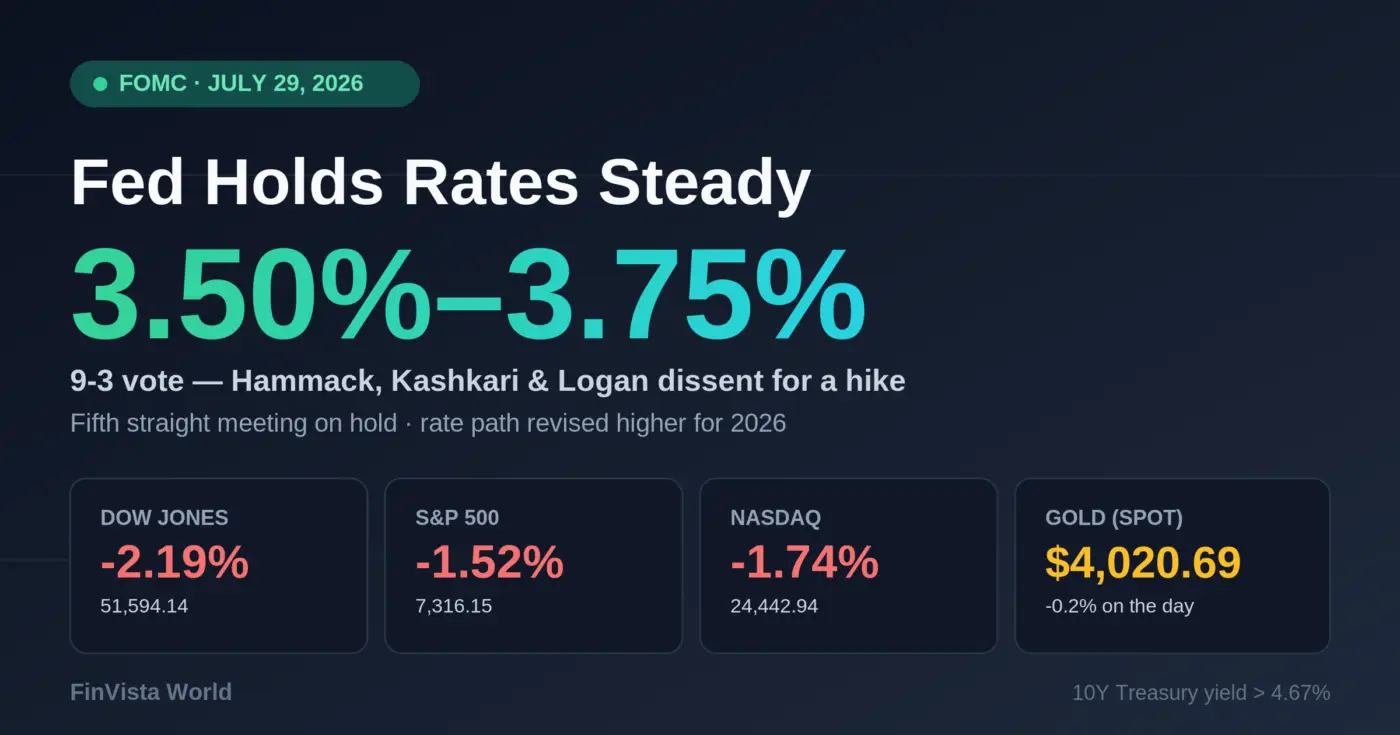 Fed Holds Rates Steady at July 2026 Meeting as Three Officials Dissent, Stocks Tumble
  Canada Keeps AA+ Rating as Fitch Highlights Weak Growth, High Debt and Strong Public Assets