
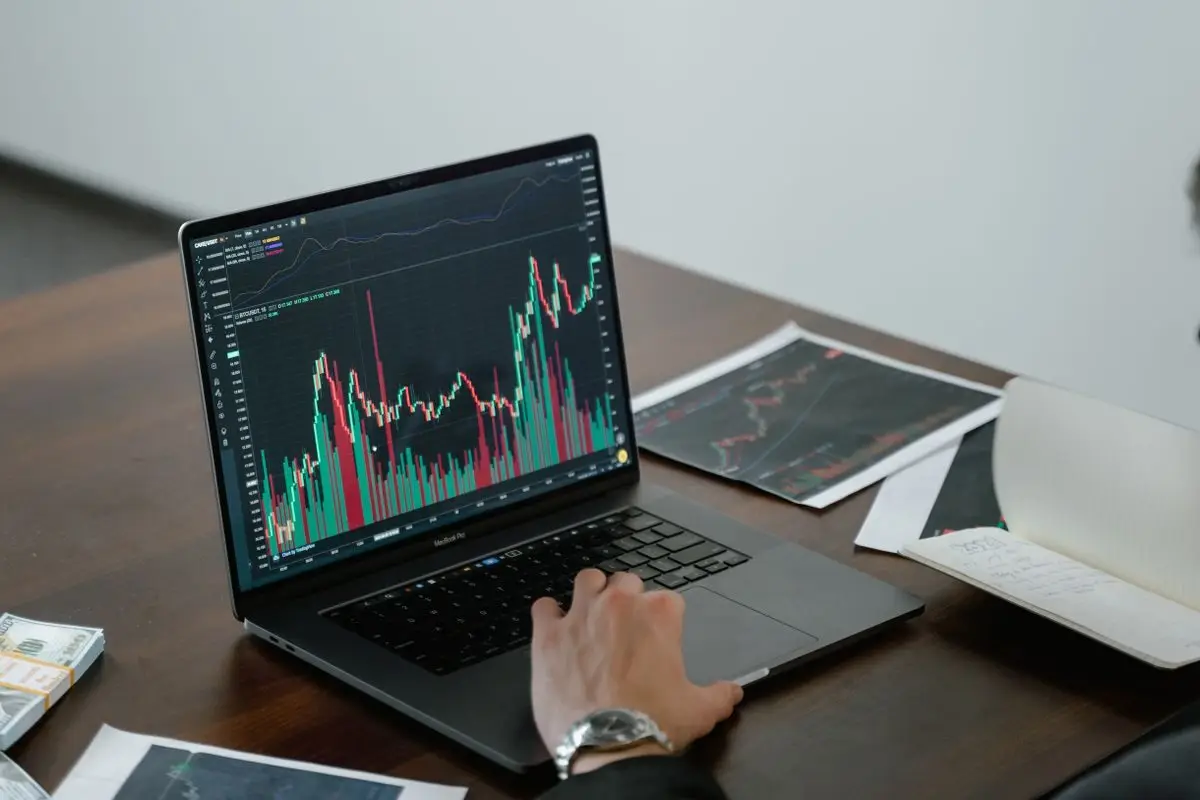
Building and managing a successful crypto portfolio requires more than picking popular coins. It demands understanding risk allocation, diversification across sectors, position sizing, and rebalancing strategies. In 2026, with thousands of tokens competing for attention and market cycles still driven by Bitcoin halvings and macro conditions, a disciplined portfolio approach separates profitable investors from those who ride gains up and crash down. This guide provides a framework for building and managing a balanced crypto portfolio in 2026.
Portfolio Foundations: Risk Tiers
Not all cryptocurrencies carry the same risk. A well-structured portfolio allocates capital across risk tiers based on your personal risk tolerance, investment horizon, and financial situation:
| Tier | Assets | Risk Level | Allocation (Conservative) |
|---|---|---|---|
| Tier 1 — Blue Chip | Bitcoin (BTC), Ethereum (ETH) | Medium | 50–70% |
| Tier 2 — Large Cap | SOL, BNB, XRP, ADA, AVAX | Medium-High | 20–30% |
| Tier 3 — Mid Cap | LINK, DOT, ATOM, ARB, OP | High | 10–15% |
| Tier 4 — Small Cap | New projects, DeFi tokens, gaming | Very High | 5–10% |
Sample Portfolio Allocations by Risk Profile
Conservative Portfolio (Capital Preservation Focus)
| Asset | Allocation |
|---|---|
| Bitcoin (BTC) | 50% |
| Ethereum (ETH) | 25% |
| Solana (SOL) | 10% |
| Stablecoins (USDC/USDT) | 15% |
Moderate Portfolio (Balanced Growth)
| Asset | Allocation |
|---|---|
| Bitcoin (BTC) | 35% |
| Ethereum (ETH) | 20% |
| SOL, BNB, XRP (equal split) | 20% |
| DeFi / L2 tokens (ARB, LINK, AAVE) | 15% |
| High-risk / new projects | 10% |
Aggressive Portfolio (High Growth / High Risk)
| Asset | Allocation |
|---|---|
| Bitcoin (BTC) | 20% |
| Ethereum (ETH) | 15% |
| Large cap altcoins (SOL, BNB, AVAX) | 20% |
| DeFi / L2 / AI tokens | 25% |
| Small cap / new narratives | 20% |
Portfolio Rebalancing Strategy
Rebalancing is the process of returning your portfolio to its target allocation after price movements shift the proportions. In crypto, this is particularly important given volatility. Two common approaches:
- Time-based rebalancing: Rebalance monthly, quarterly, or at set intervals regardless of price. Simple and disciplined.
- Threshold-based rebalancing: Rebalance when any asset drifts more than 5–10% from its target weight. More responsive to volatile markets.
Example: If Bitcoin was 40% of your portfolio and rallies to 60%, rebalancing means selling some BTC to buy underperforming assets — locking in gains and maintaining diversification.
Dollar-Cost Averaging (DCA)
DCA is the most effective strategy for most retail crypto investors: invest a fixed amount at regular intervals (weekly, monthly) regardless of price. Benefits include:
- Eliminates the stress of trying to time the market
- Averages out purchase price over market cycles
- Enforces discipline and reduces emotional decision-making
- Works particularly well for Bitcoin and Ethereum as long-term holds
Portfolio Tracking Tools
- CoinStats: Best all-in-one tracker with DeFi and NFT support
- Delta App: Clean UI, exchange sync, portfolio analytics
- Debank: Best for DeFi position tracking across chains
- Zapper.fi: DeFi portfolio aggregation across multiple chains
Frequently Asked Questions
How many cryptos should I hold in my portfolio?
For most investors, 5–10 positions is optimal. This provides enough diversification without spreading capital too thin. Holding 50+ tokens rarely improves returns and makes tracking and tax reporting significantly harder.
Should I keep stablecoins in my crypto portfolio?
Yes. A 10–20% stablecoin allocation provides dry powder to buy dips, reduces portfolio volatility, and earns yield through DeFi staking (4–8% on USDC/USDT in 2026). It’s strategic, not just defensive.
⚠ Risk Disclaimer: Cryptocurrency is highly volatile. Portfolio strategies presented here are for educational purposes and do not constitute financial advice. Always consult a qualified financial advisor tailored to your specific situation.
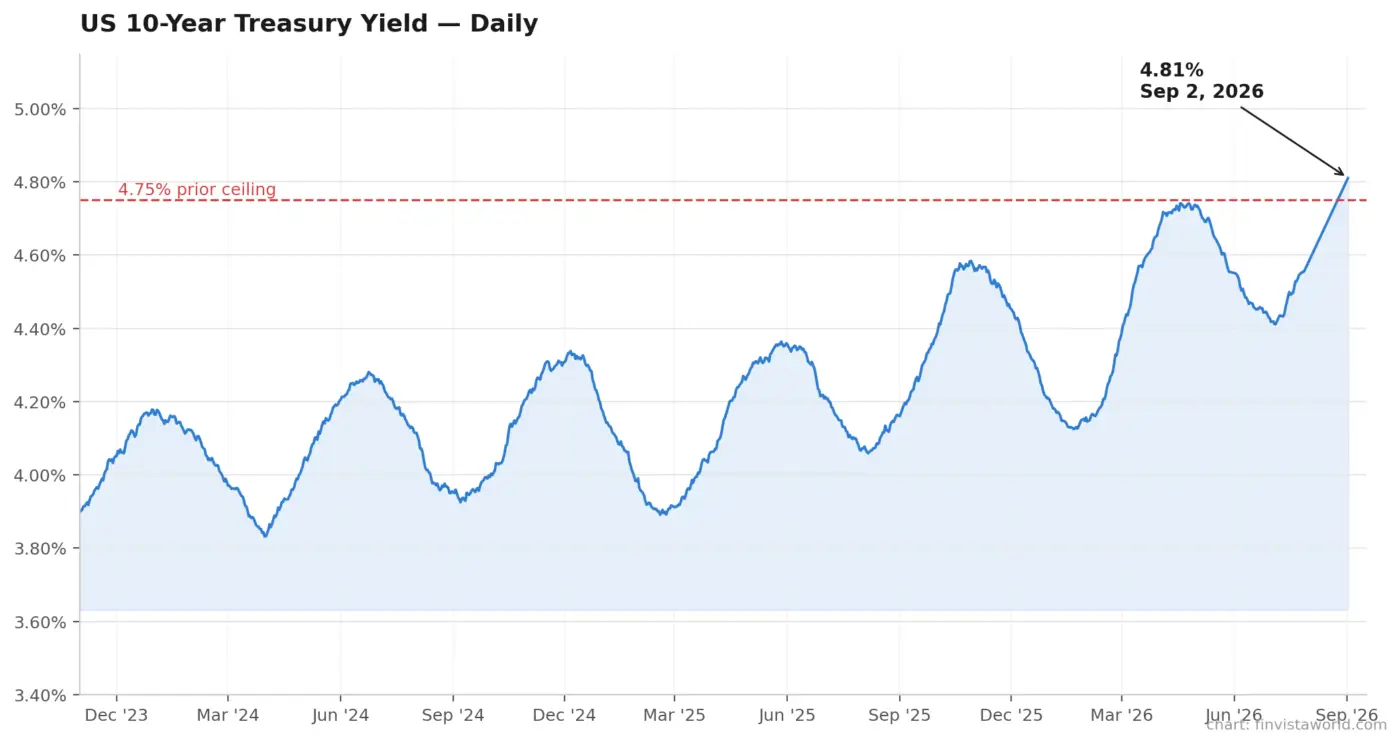 ADP Jobs Miss Collides With Rising Yields: Wall Street Stalls as 10-Year Hits 4.81%
 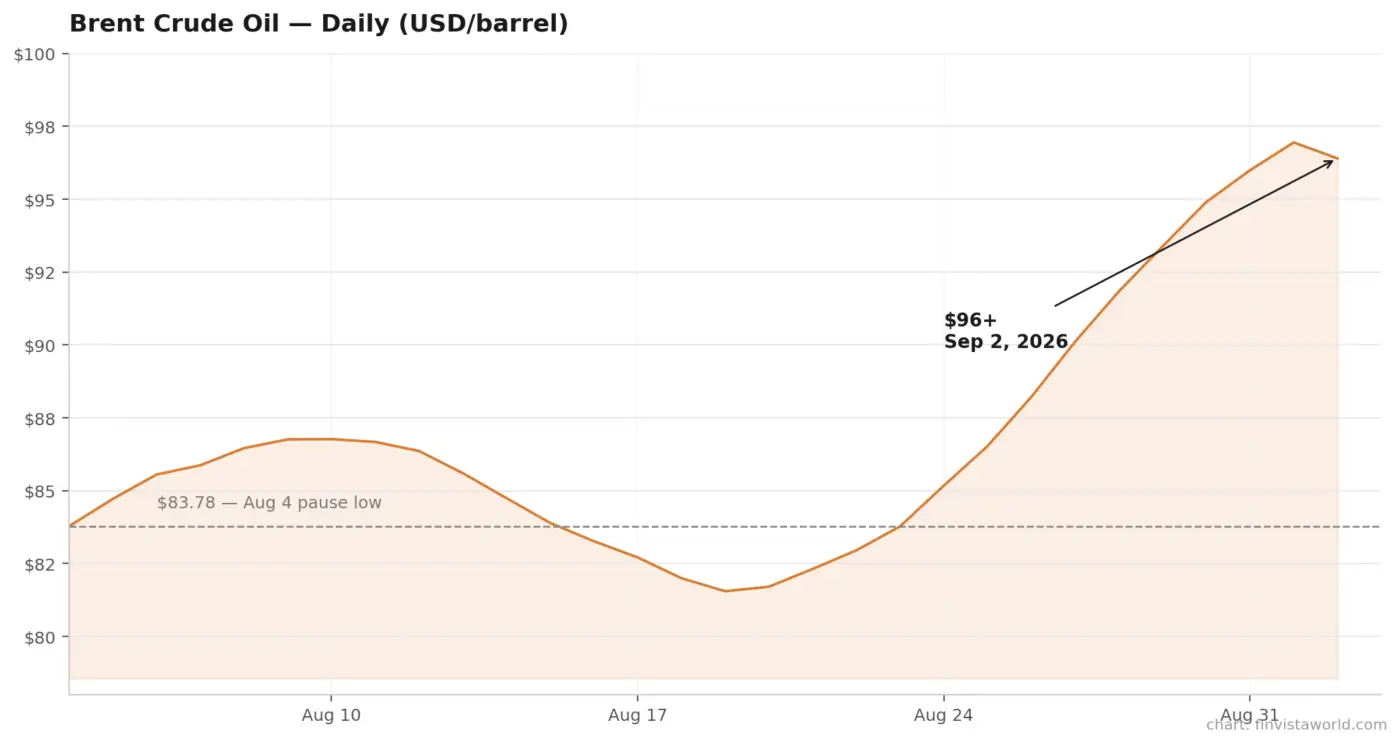 Iran War Reignites: Oil Tops $96, Stocks and Gold Slide Together as Fed Rate-Hike Odds Hit 70%
  Oil Sinks 6%, Dow Hits Record High as Iran Pause Reprices Markets – Crypto Sits It Out
 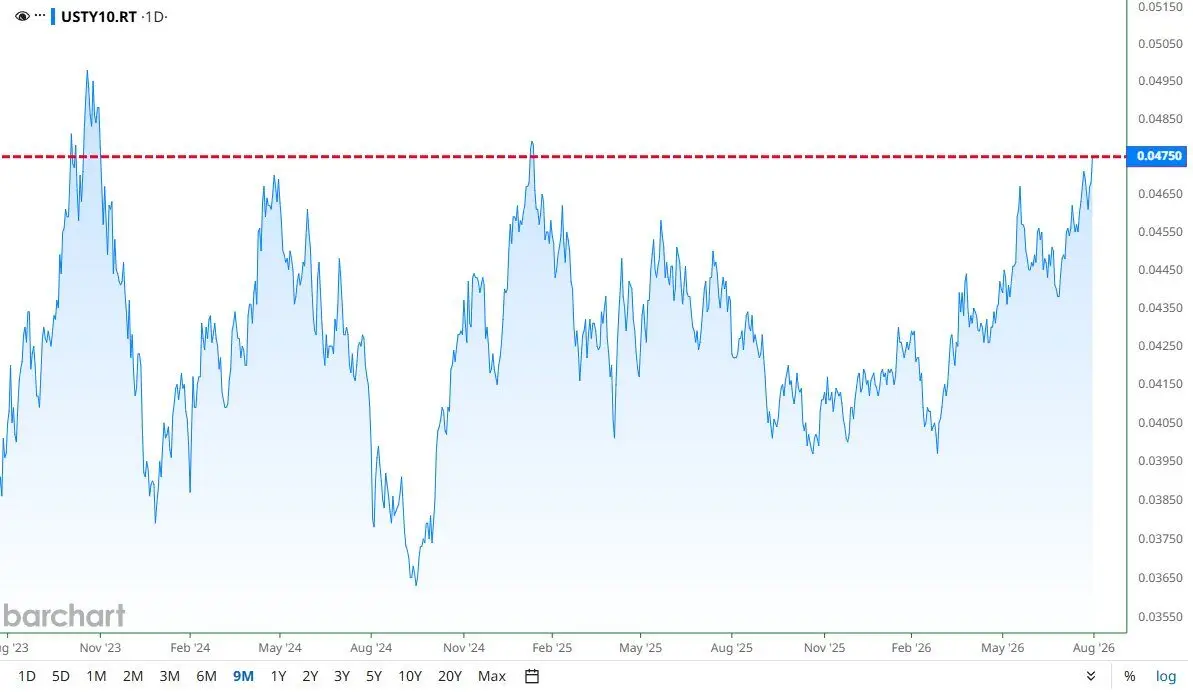 10-Year Yield Hits 4.75%, an 18-Month High – Why the Bond Market Is About to Revolt
  Bond Market Puts Warsh’s 2% Promise to the Test as 30-Year Yield Hits 19-Year High
 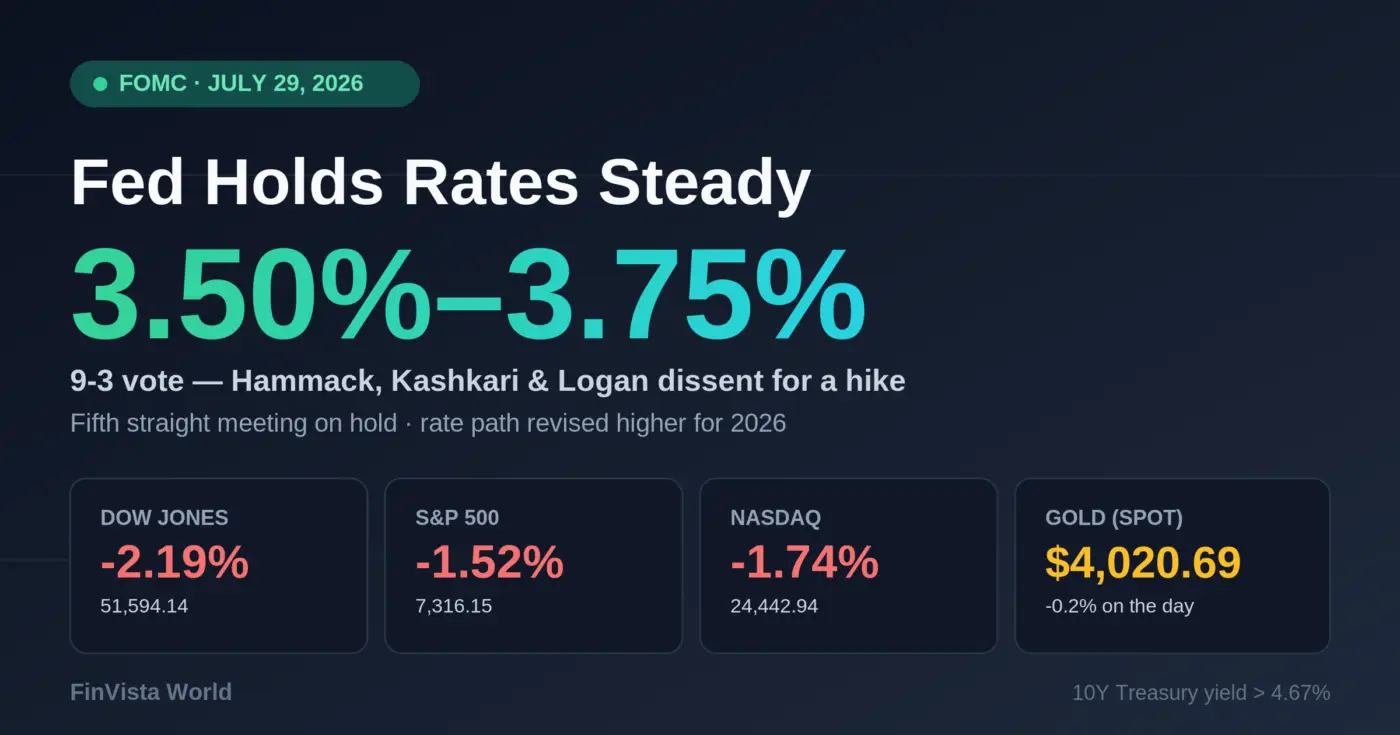 Fed Holds Rates Steady at July 2026 Meeting as Three Officials Dissent, Stocks Tumble