
One weekend headline moved global markets more than any data release this week. After Donald Trump called off planned strikes on Iran, crude oil collapsed almost 6%, the Dow closed at a record high, Treasury yields backed away from an 18-month peak — and gold still finished higher. The one major asset class that refused to join in was crypto.

What actually changed over the weekend
Trump said early Sunday that he had called off what he described as “massive” strikes against Iran, following a request from Tehran and other governments in the region. Talks were scheduled to begin Monday, with the reopening of the Strait of Hormuz as the central objective.
That single announcement mattered because of what preceded it. Both crude benchmarks surged more than 20% in July as renewed US–Iran hostilities and a Houthi blockade of Saudi ports raised the prospect of prolonged supply disruption through Hormuz and the Red Sea. Markets had spent a month pricing in a worst case. The pause forced them to start un-pricing it.
Oil did the heavy lifting
West Texas Intermediate for September delivery sank about 5.9% to $79.69 a barrel, a three-week low, while Brent for October delivery fell roughly 4.7% to $83.78. Intraday, both benchmarks traded even lower. For a market that had been carrying a visible supply-shock premium, it was one of the sharpest single-day declines in months.
The detail worth holding on to is that nothing about physical supply actually changed. No additional barrels reached the market on Monday. What changed was the probability investors were willing to assign to barrels not reaching the market. That is what a geopolitical risk premium is, and it can disappear far faster than it builds.
Why equities cared so much about a barrel of oil
The equity response was immediate and broad. The Dow Jones Industrial Average added 693.38 points, or 1.32%, to settle at a record 53,178.41. The S&P 500 gained 1.48% to 7,600.50, and the Nasdaq Composite led with a 2.1% advance to 25,913.9, powered by megacap technology names.
The transmission runs through inflation, and from inflation to the Federal Reserve. Expensive crude feeds directly into headline inflation and into producer costs across transport, chemicals and manufacturing. With markets pricing in roughly a 68% chance of a 25 basis point Fed rate hike in September, every dollar off the oil price does double duty for equity investors: it lifts corporate margins and it lowers the odds that the Fed has to lean harder against prices.
In other words, Monday’s rally was not really a bet on stronger growth. It was a bet on a friendlier policy path.
The bond market exhaled
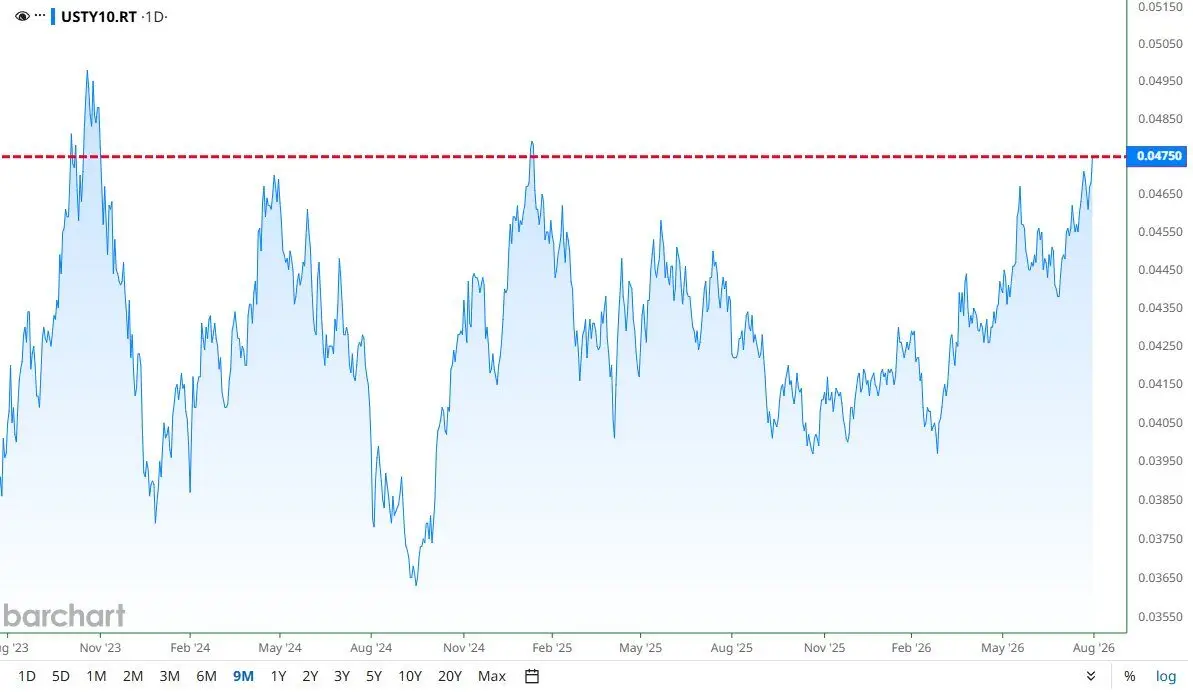
Fixed income told the same story from a different angle. The 10-year Treasury yield eased to around 4.67%, stepping back from the 18-month high it had reached only days earlier when surging crude revived inflation fears. That level had been the source of real anxiety — as we covered in our look at the 10-year yield hitting 4.75%, the long end had started to behave like a market losing patience.
Monday’s move does not resolve that. It simply removes the most acute pressure. Investors are now waiting on a heavy week of labour-market data, which will matter far more for the September decision than any single headline out of the Middle East.
Gold rose anyway — and that is the interesting part
In a textbook risk-on session, gold gives back ground. It did not. Gold futures opened at $4,135.20 per troy ounce, up 0.7% from Friday’s close, and held modest gains through the day. The Dollar Index sat at 99.817, essentially unchanged at +0.03%, offering no headwind.
Two things explain the resilience. A softer dollar keeps bullion cheap for non-US buyers, and cheaper oil eases the inflation problem that had been pushing real yields higher. But there is a third, less mechanical reason: a pause is not a settlement. Investors who bought gold as insurance against a Middle East escalation were given a reason to hope, not a reason to cancel the policy.
Crypto sat this one out
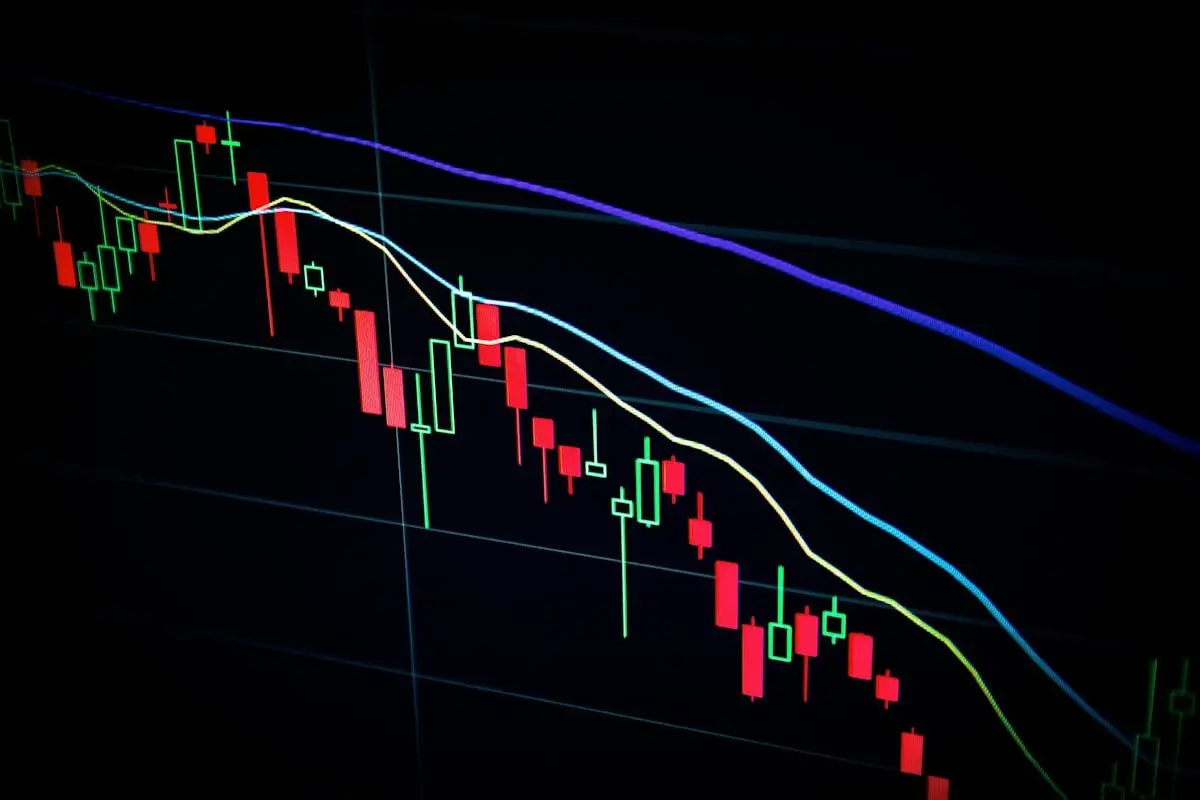
If risk appetite really had returned in full, Bitcoin should have been among the first movers. It was not. BTC opened at $63,497.25, up 1.2% from Sunday, then slid to $62,643 during early US hours before recovering toward $63,900 after dipping near $62,300. It closed the previous week down more than 2.8%, and below $64,000 the technical tone stays bearish-to-neutral.
The disconnect is easier to understand through flows than through sentiment. US-listed spot Bitcoin ETFs recorded a mild net outflow last week, breaking three consecutive weeks of positive flows. At the same time, roughly 32,000 BTC moved onto exchanges — typically a sign of supply looking for a bid rather than accumulation. Traders described the slide from $65,000 as thin volume rather than panic selling, which is its own kind of warning: there was not much demand waiting underneath.
This is a meaningful divergence. Through much of the past two years, Bitcoin traded as a high-beta expression of equity risk appetite. On Monday, equities hit a record and Bitcoin went nowhere. Crypto is being driven by its own supply-and-flow cycle right now, not by the macro headline.
Market takeaway
The cleanest reading of the session is that markets repriced a geopolitical premium, not an economic outlook. Oil, equities and bonds all moved in the direction you would expect when the tail risk of a Hormuz disruption shrinks. Gold’s refusal to fall shows that nobody is treating the risk as gone, and crypto’s flat response shows that asset-specific flows can easily overwhelm a macro tailwind.
For the days ahead, three things carry more weight than the headline itself: whether the talks actually produce anything on Hormuz, what the labour-market data does to September rate-hike odds, and whether spot Bitcoin ETF flows turn positive again. A pause that turns into a genuine de-escalation would extend Monday’s logic. A pause that collapses would put the July risk premium straight back into the oil price — and back into everything that followed it.
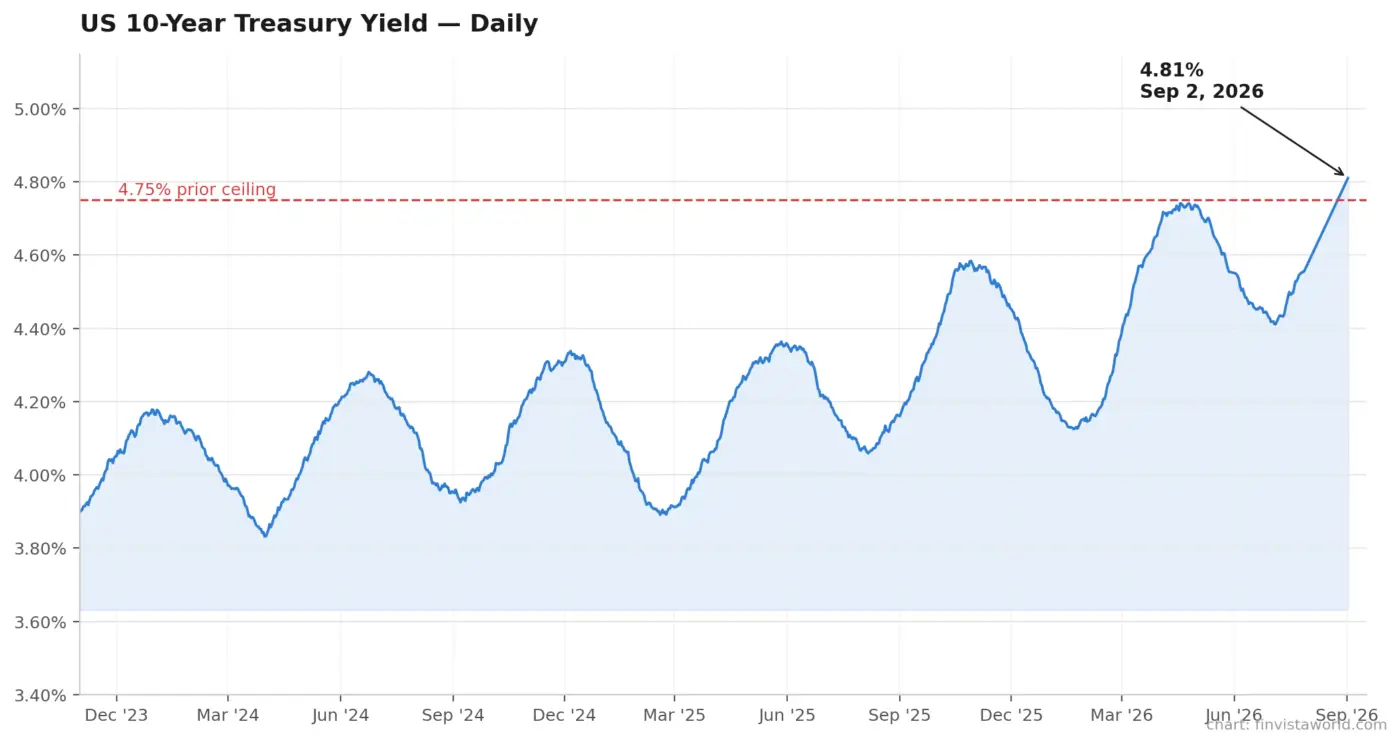 ADP Jobs Miss Collides With Rising Yields: Wall Street Stalls as 10-Year Hits 4.81%
 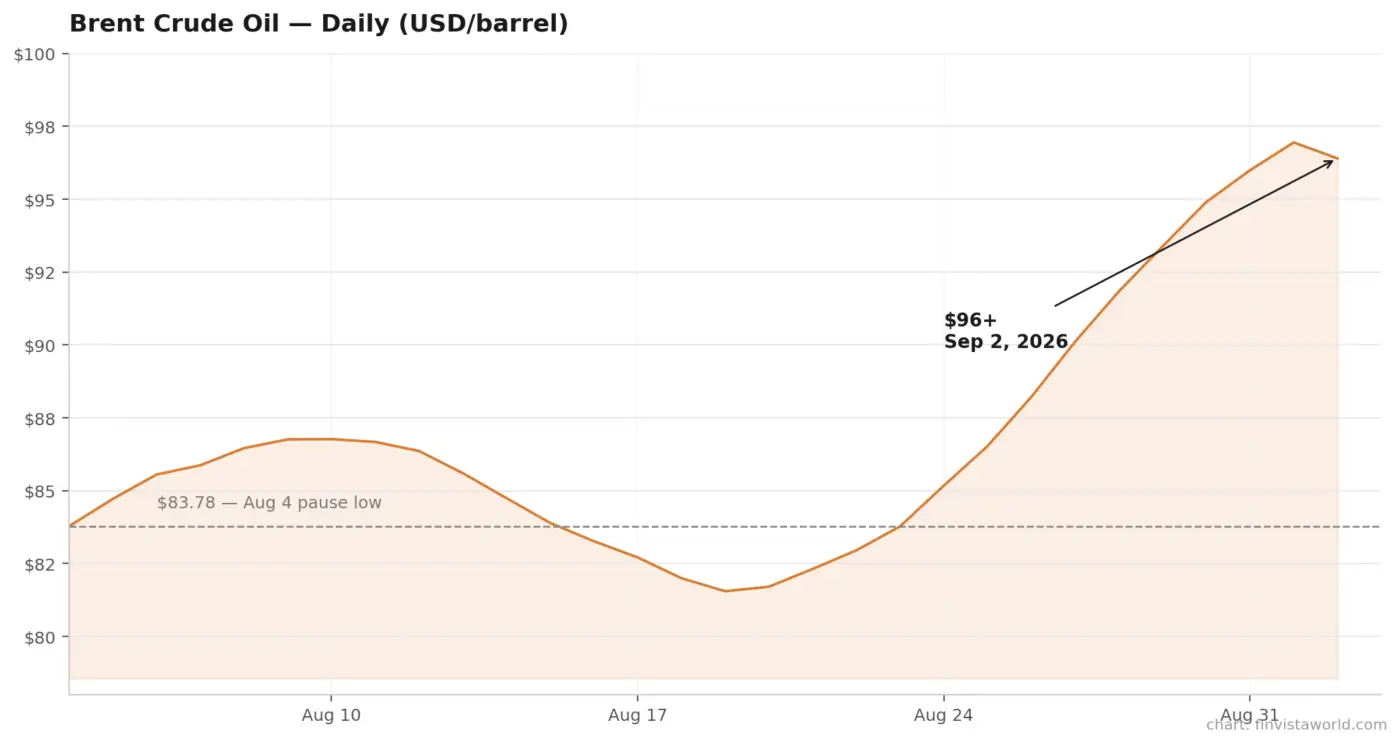 Iran War Reignites: Oil Tops $96, Stocks and Gold Slide Together as Fed Rate-Hike Odds Hit 70%
  10-Year Yield Hits 4.75%, an 18-Month High – Why the Bond Market Is About to Revolt
  Bond Market Puts Warsh’s 2% Promise to the Test as 30-Year Yield Hits 19-Year High
  Fed Holds Rates Steady at July 2026 Meeting as Three Officials Dissent, Stocks Tumble
  Canada Keeps AA+ Rating as Fitch Highlights Weak Growth, High Debt and Strong Public Assets