

Crypto staking has become one of the most popular ways to generate passive income in the digital asset space. By locking up cryptocurrency to support blockchain network validation, stakers earn rewards — typically ranging from 3% to 20%+ annually depending on the coin and method. In 2026, staking has evolved significantly with liquid staking derivatives, restaking protocols, and multi-chain yield strategies. This guide covers everything you need to know to stake crypto effectively and safely.
What Is Crypto Staking?
Staking is the process of holding and locking cryptocurrency in a wallet or protocol to participate in a Proof-of-Stake (PoS) blockchain’s consensus mechanism. In return for validating transactions and securing the network, stakers receive newly minted tokens as rewards — similar to earning interest on a savings account, but with crypto-specific risks.
Types of Staking
- Native staking: Directly staking with a blockchain’s validator set (e.g., Ethereum validator nodes requiring 32 ETH)
- Exchange staking: Delegating via centralized exchanges like Binance or Coinbase with lower minimums
- Liquid staking: Receiving a tradeable derivative token (e.g., stETH, rETH) while your assets are staked
- DeFi staking: Providing liquidity or staking in DeFi protocols for yield (higher risk)
- Restaking: Reusing staked ETH (via EigenLayer) to secure additional protocols for extra yield
Best Cryptocurrencies to Stake in 2026
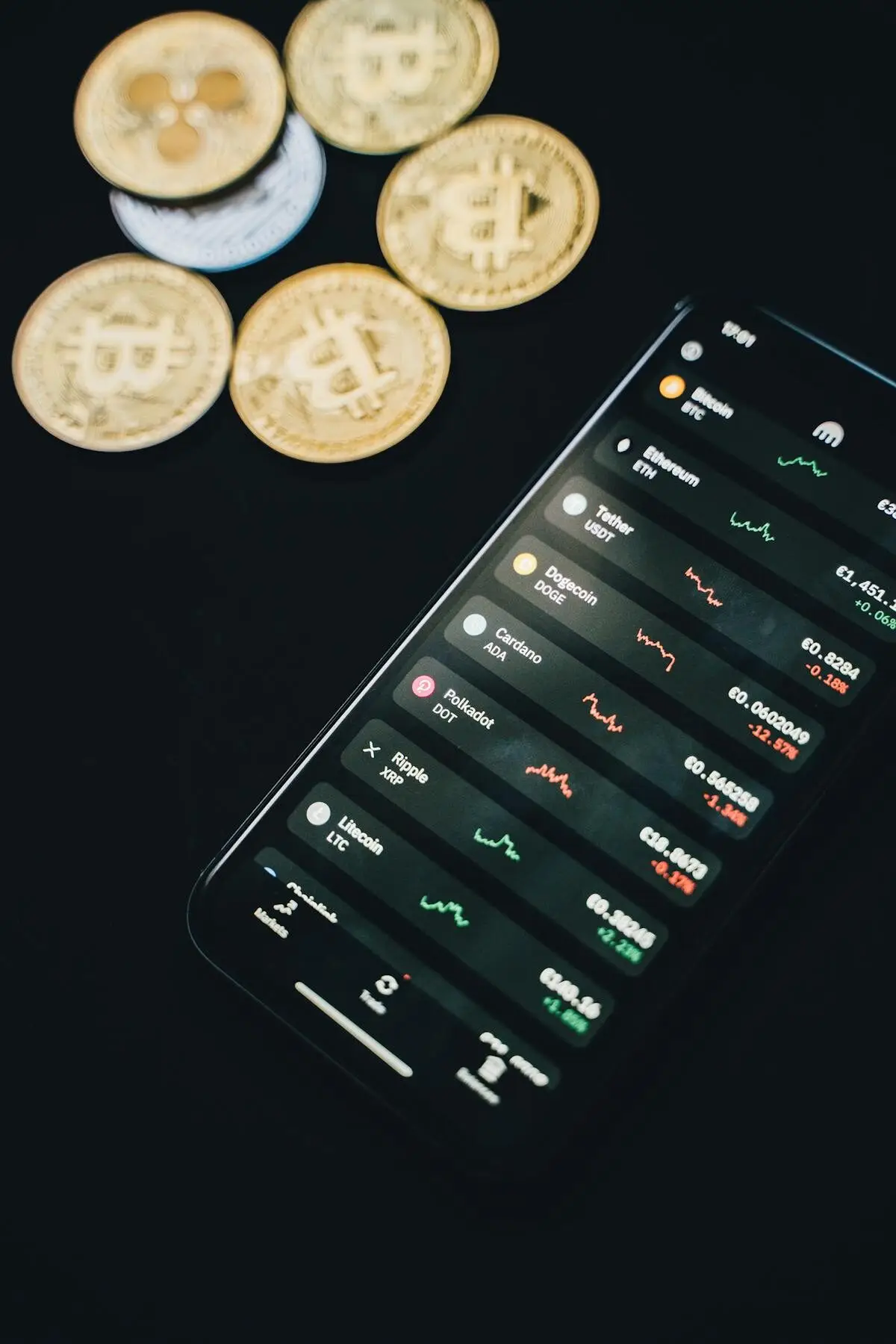
| Cryptocurrency | Est. APY | Method | Lock-up |
|---|---|---|---|
| Ethereum (ETH) | 3.5–5% | Native / Liquid staking | None (liquid) |
| Solana (SOL) | 5–8% | Validator delegation | ~2–3 days unbonding |
| Cosmos (ATOM) | 8–15% | Validator delegation | 21-day unbonding |
| Polkadot (DOT) | 10–14% | Nomination pools | 28-day unbonding |
| Cardano (ADA) | 3–5% | Stake pool delegation | None |
| Avalanche (AVAX) | 6–9% | Validator / Delegation | 2-week minimum |
| Sui (SUI) | 5–12% | Validator delegation | Epoch-based |
| Celestia (TIA) | 8–16% | Validator delegation | 21-day unbonding |
Liquid Staking: The Best of Both Worlds

Liquid staking has revolutionized how investors approach staking. Instead of locking assets and losing access to liquidity, liquid staking protocols issue a derivative token representing your staked position — which can be used in DeFi, traded, or used as collateral while still earning staking rewards.
Top Liquid Staking Protocols in 2026
| Protocol | Asset | Liquid Token | TVL |
|---|---|---|---|
| Lido Finance | ETH, SOL, MATIC | stETH, stSOL | $20B+ |
| Rocket Pool | ETH | rETH | $3B+ |
| Marinade Finance | SOL | mSOL | $1B+ |
| EigenLayer | ETH (restaking) | LST restaking | $10B+ |
Staking Risks You Must Understand
- Slashing: Validators who act maliciously or go offline can have a portion of their stake “slashed” (destroyed). Liquid staking and reputable services mitigate this risk.
- Smart contract risk: DeFi staking protocols can have bugs. Stick to audited protocols with long track records.
- Unbonding periods: Some chains require weeks to unlock staked tokens, leaving you exposed to price drops during the wait.
- Reward dilution: As more stakers join, individual yields decrease. High APYs today may be lower tomorrow.
- Token price risk: A 10% staking yield is meaningless if the token drops 50% in price.
- Tax obligations: Staking rewards are taxable income in most jurisdictions when received.
How to Start Staking: Step-by-Step
- Choose your cryptocurrency based on risk tolerance and desired yield
- Select a staking method: native, exchange, or liquid staking protocol
- Set up a compatible non-custodial wallet (Ledger, MetaMask, Phantom)
- Research validators/pools — look for high uptime, reasonable commission, and community reputation
- Delegate or deposit your tokens following the protocol’s instructions
- Monitor rewards and track tax obligations
- Periodically review and rebalance your staking portfolio
Frequently Asked Questions
Is crypto staking safe?
Staking with reputable, audited protocols on major blockchains is generally safe from a technical standpoint. The biggest risk is price volatility of the underlying asset, not the staking mechanism itself.
Do I pay tax on staking rewards?
In most countries (including the US, UK, and Australia), staking rewards are treated as ordinary income when received. Consult a crypto tax professional for your specific jurisdiction.
What is the minimum to stake Ethereum?
Running your own ETH validator requires 32 ETH. However, through liquid staking protocols like Lido or Rocket Pool, you can stake any amount of ETH with no minimum.
Which crypto has the highest staking rewards?
Smaller-cap coins often offer higher APYs (20%+), but these carry more risk. For reliable yields with established assets, Cosmos (8–15%), Polkadot (10–14%), and Solana (5–8%) offer strong returns in 2026.
⚠ Risk Disclaimer: Staking rewards are not guaranteed. Cryptocurrency markets are highly volatile. This article is for educational purposes only and is not financial advice. Consult a professional before committing funds.
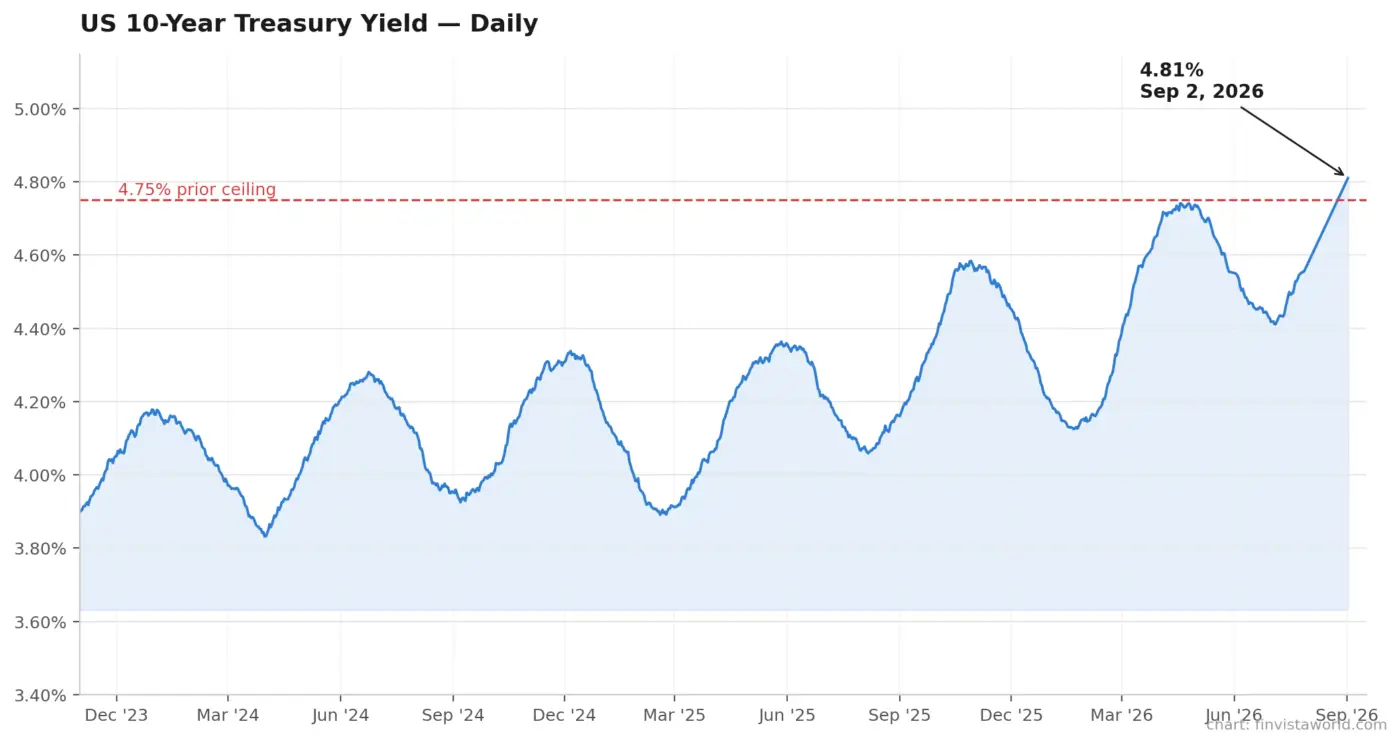 ADP Jobs Miss Collides With Rising Yields: Wall Street Stalls as 10-Year Hits 4.81%
 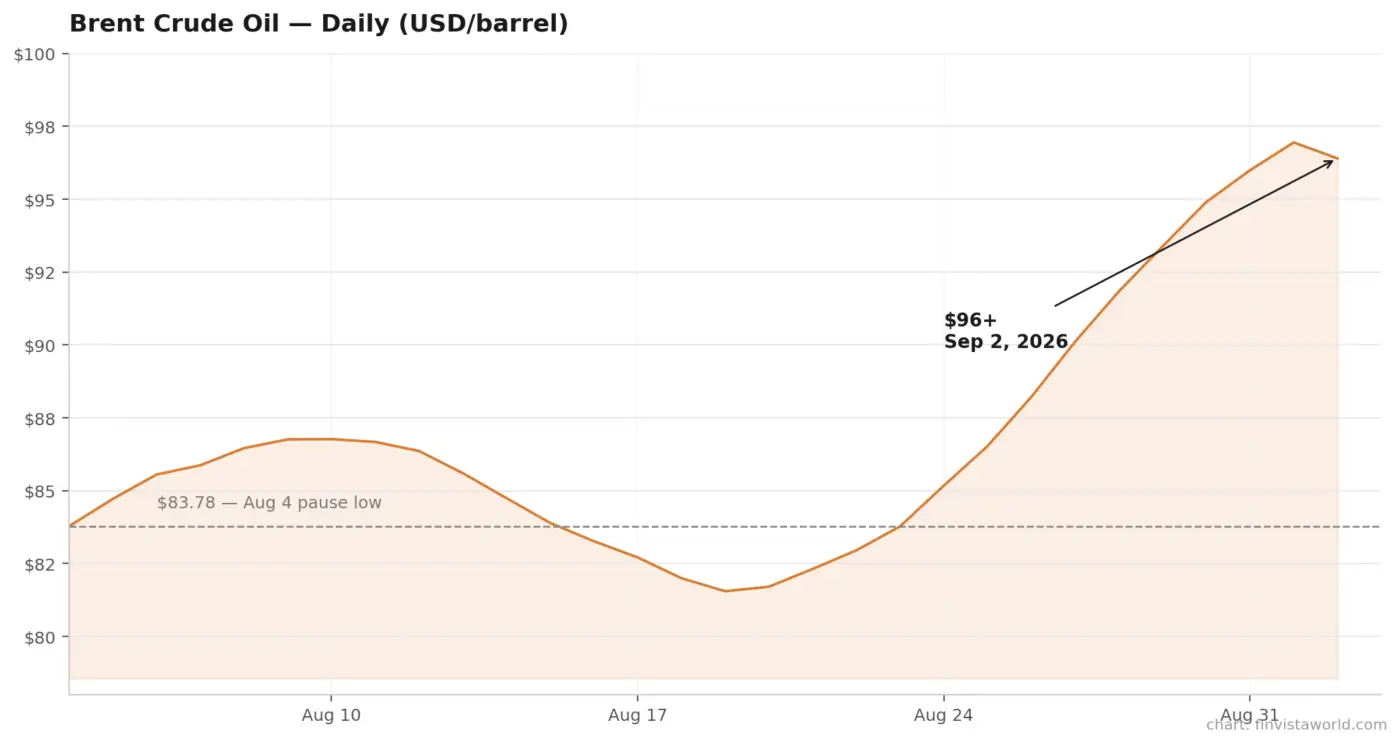 Iran War Reignites: Oil Tops $96, Stocks and Gold Slide Together as Fed Rate-Hike Odds Hit 70%
  Oil Sinks 6%, Dow Hits Record High as Iran Pause Reprices Markets – Crypto Sits It Out
 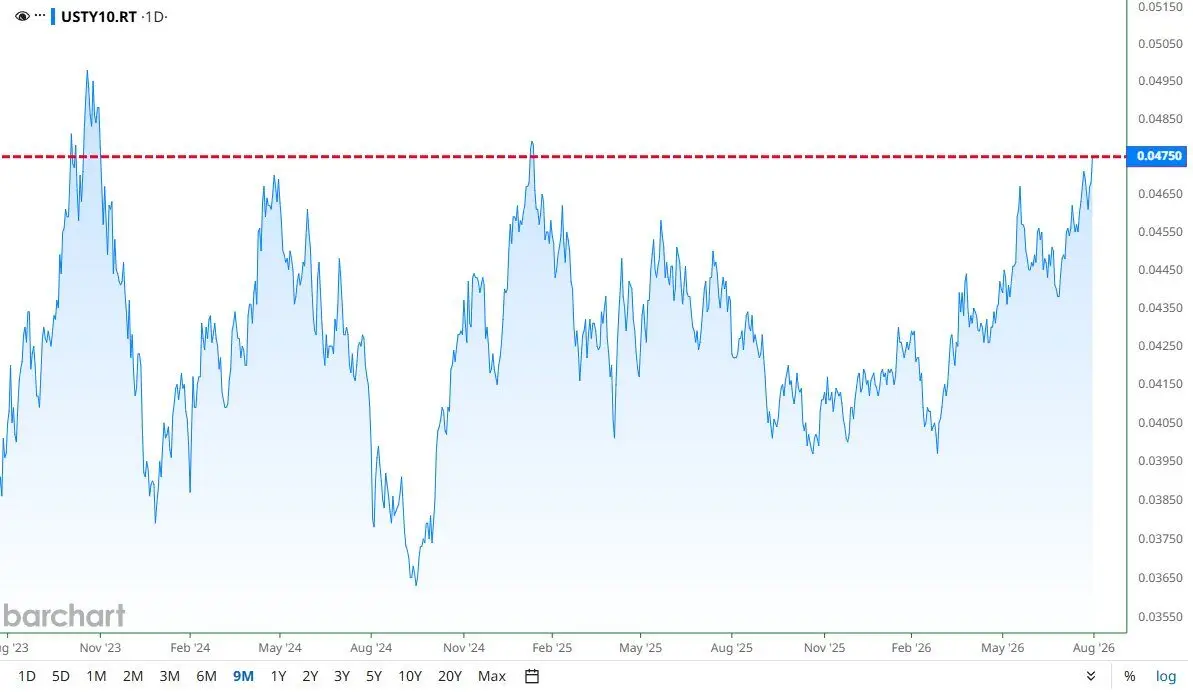 10-Year Yield Hits 4.75%, an 18-Month High – Why the Bond Market Is About to Revolt
  Bond Market Puts Warsh’s 2% Promise to the Test as 30-Year Yield Hits 19-Year High
 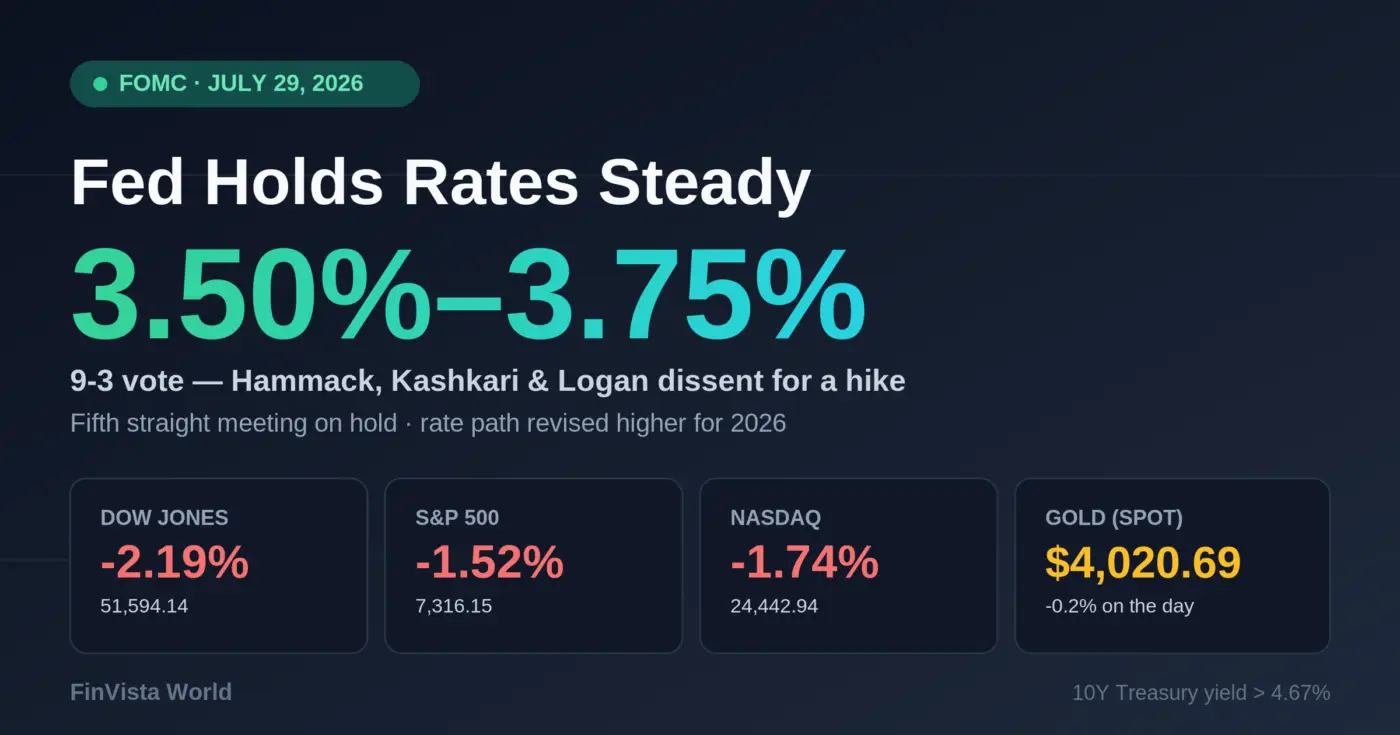 Fed Holds Rates Steady at July 2026 Meeting as Three Officials Dissent, Stocks Tumble