Layer 2 (L2) networks have transformed Ethereum’s usability. By processing transactions off the main chain and settling proofs on Ethereum’s secure base layer, L2s deliver the speed and affordability users need while inheriting Ethereum’s security. In 2026, the Layer 2 ecosystem has matured dramatically — with Arbitrum, Base, Optimism, and zkSync leading a landscape that collectively processes more transactions daily than Ethereum mainnet itself.
Why Layer 2 Solutions Exist
Ethereum mainnet can process approximately 15–30 transactions per second (TPS). During peak demand, gas fees can spike to tens or even hundreds of dollars per transaction — making it impractical for everyday use, gaming, micropayments, or DeFi trading. Layer 2 solutions solve this by:
- Batching thousands of transactions into single Ethereum mainnet proofs
- Reducing gas costs by 10–100x compared to L1
- Increasing TPS to thousands or tens of thousands per second
- Maintaining Ethereum’s security and decentralization guarantees
Types of Layer 2 Technology
| Type | How It Works | Examples |
|---|---|---|
| Optimistic Rollups | Assume transactions valid; fraud proofs challenge invalid ones | Arbitrum, Optimism, Base |
| ZK Rollups | Generate cryptographic validity proof for every batch | zkSync Era, Starknet, Polygon zkEVM |
| Validiums | ZK proofs with off-chain data storage | Immutable X, StarkEx |
Top Layer 2 Networks Compared (June 2026)
| Network | TVL | Daily TXs | Avg Fee | Token |
|---|---|---|---|---|
| Arbitrum One | $3.5B+ | 1.5M+ | $0.05–$0.15 | ARB |
| Base | $2.5B+ | 2M+ | $0.01–$0.05 | None (ETH gas) |
| Optimism | $1.5B+ | 800K+ | $0.02–$0.10 | OP |
| zkSync Era | $800M+ | 500K+ | $0.01–$0.05 | ZK |
| Starknet | $500M+ | 200K+ | $0.01–$0.08 | STRK |
| Polygon zkEVM | $300M+ | 150K+ | $0.01–$0.05 | POL |
Arbitrum: The DeFi Powerhouse
Arbitrum One remains the dominant L2 by TVL in 2026, hosting major DeFi protocols including GMX (perpetual trading), Uniswap V3, Aave, and Camelot DEX. Its Stylus upgrade enables developers to write smart contracts in Rust and C++, dramatically expanding the developer pool. Arbitrum Orbit allows projects to launch custom L3 chains on top of Arbitrum infrastructure.
Base: Coinbase’s Explosive Growth Network
Base, launched by Coinbase in 2023, has become one of the fastest-growing L2s by transaction volume. Its direct integration with Coinbase’s 100M+ user base creates a massive funnel for onboarding Web2 users into Web3. Base hosts MoonWell, Aerodrome, and is a hub for social/creator economy apps like Farcaster and friend.tech.
The ZK Future: Why Zero-Knowledge Rollups Win Long-Term
While optimistic rollups (Arbitrum, Base, Optimism) dominate today due to EVM compatibility, ZK rollups represent the future. They offer faster finality (minutes vs. 7-day withdrawal periods), stronger security proofs, and better long-term scalability. As ZK proof generation hardware improves in 2026, zkSync, Starknet, and Polygon zkEVM are rapidly narrowing the UX gap with their optimistic counterparts.
How to Use Layer 2 Networks
- Set up MetaMask or another EVM-compatible wallet
- Add the L2 network (RPC settings available on Chainlist.org)
- Bridge ETH or tokens using official bridges (Arbitrum Bridge, Base Bridge, etc.)
- Connect to dApps on your chosen L2 and start transacting
- Bridge back to Ethereum L1 when needed (7-day delay for optimistic rollups, or use fast bridges like Across, Stargate)
Frequently Asked Questions
Is it safe to use Layer 2 networks?
Major L2s like Arbitrum, Base, and Optimism are considered safe, with billions in TVL and extensive auditing. However, L2s are newer than Ethereum mainnet and carry smart contract risks. Start with small amounts as you learn.
Do L2 tokens (ARB, OP) have investment value?
L2 governance tokens give holders voting power over protocol parameters. Their investment value depends on the network’s growth, fee revenue, and whether governance rights translate into economic value.
Which L2 is best for DeFi?
Arbitrum leads in DeFi TVL and protocol diversity. Base is growing fast with Coinbase integration. For lowest fees, zkSync Era and Base are often the cheapest options in 2026.
⚠ Risk Disclaimer: This article is for informational purposes only and does not constitute financial advice. Cryptocurrency investments involve significant risk. Always conduct your own research before investing.
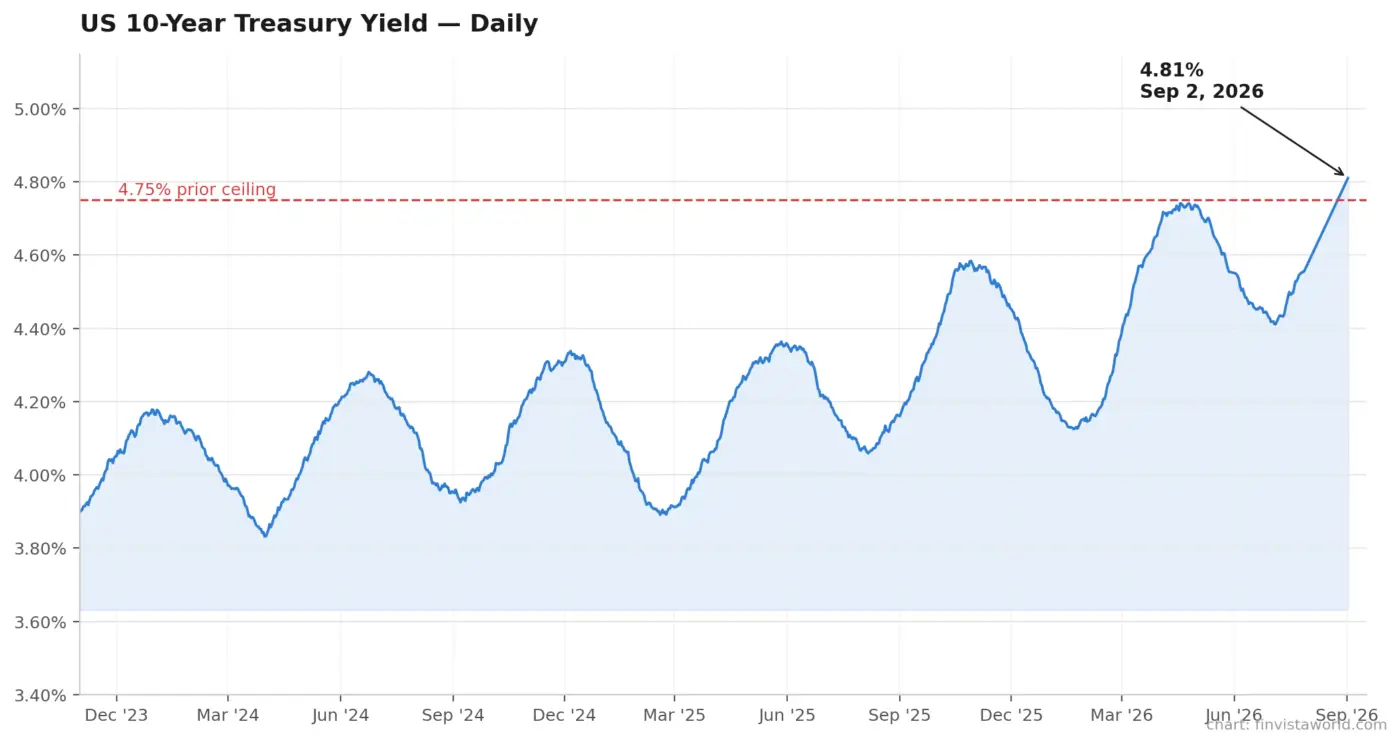 ADP Jobs Miss Collides With Rising Yields: Wall Street Stalls as 10-Year Hits 4.81%
 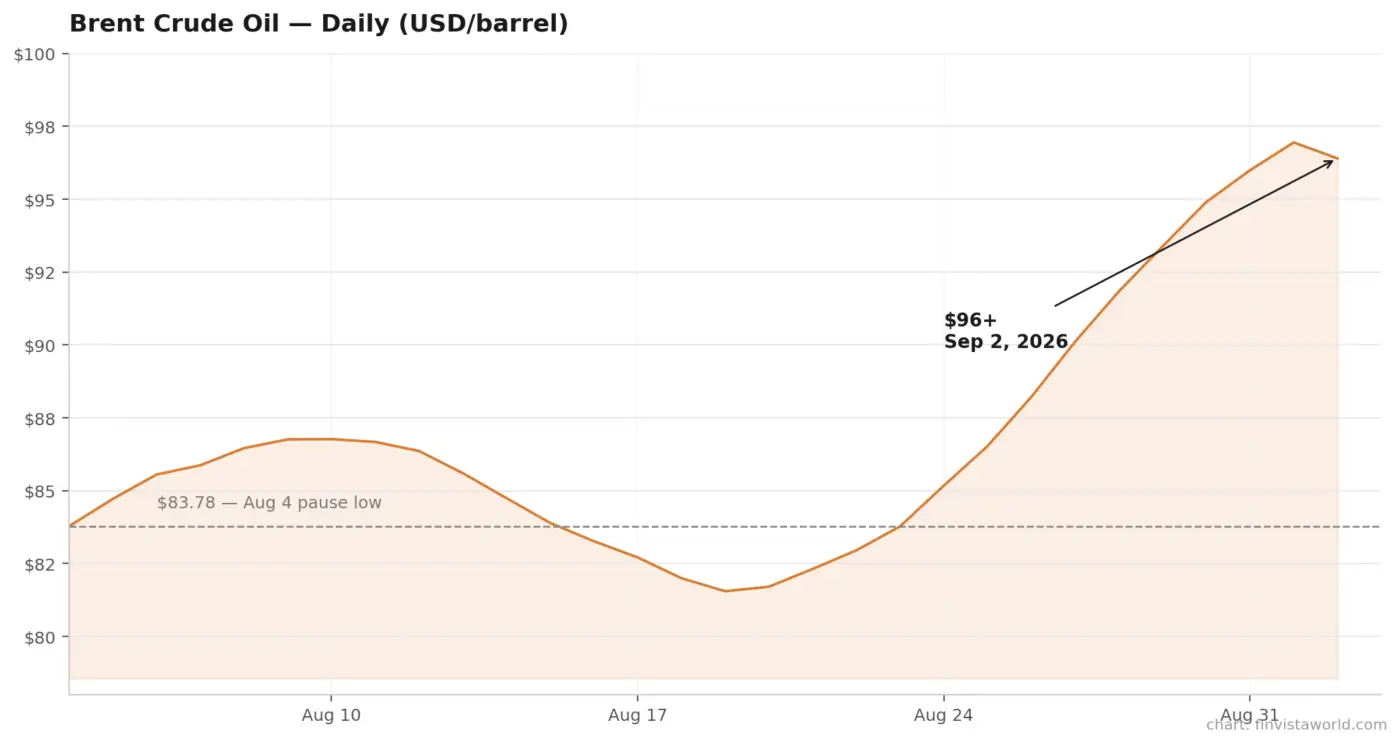 Iran War Reignites: Oil Tops $96, Stocks and Gold Slide Together as Fed Rate-Hike Odds Hit 70%
  Oil Sinks 6%, Dow Hits Record High as Iran Pause Reprices Markets – Crypto Sits It Out
 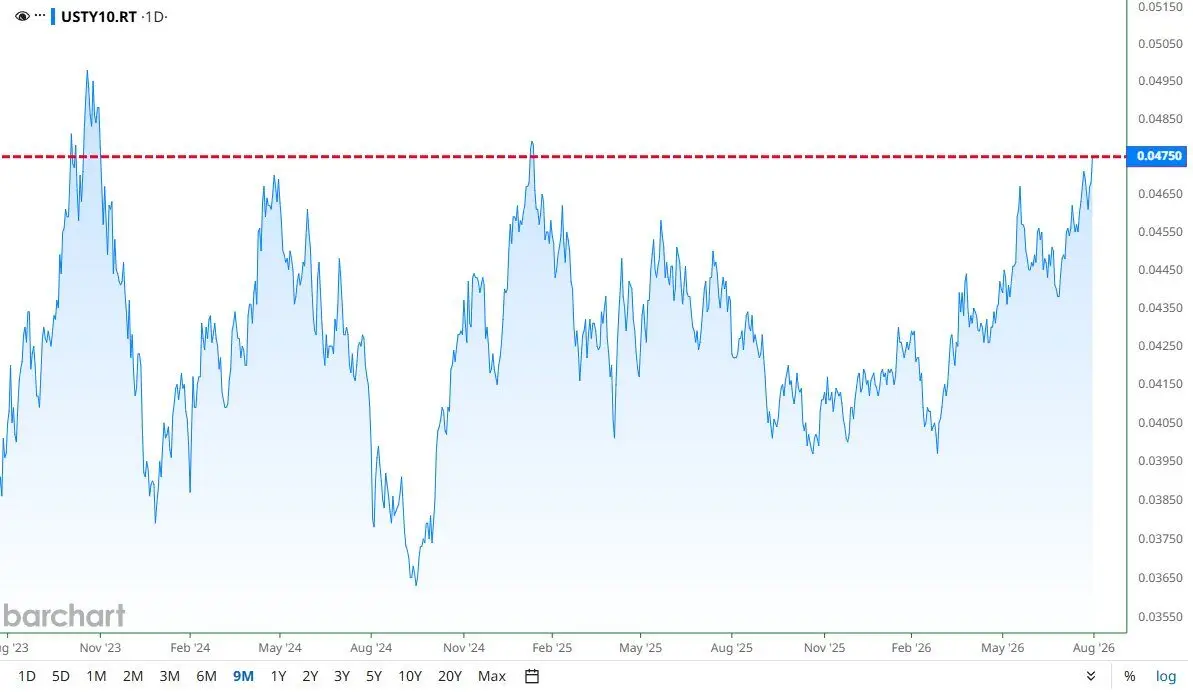 10-Year Yield Hits 4.75%, an 18-Month High – Why the Bond Market Is About to Revolt
  Bond Market Puts Warsh’s 2% Promise to the Test as 30-Year Yield Hits 19-Year High
 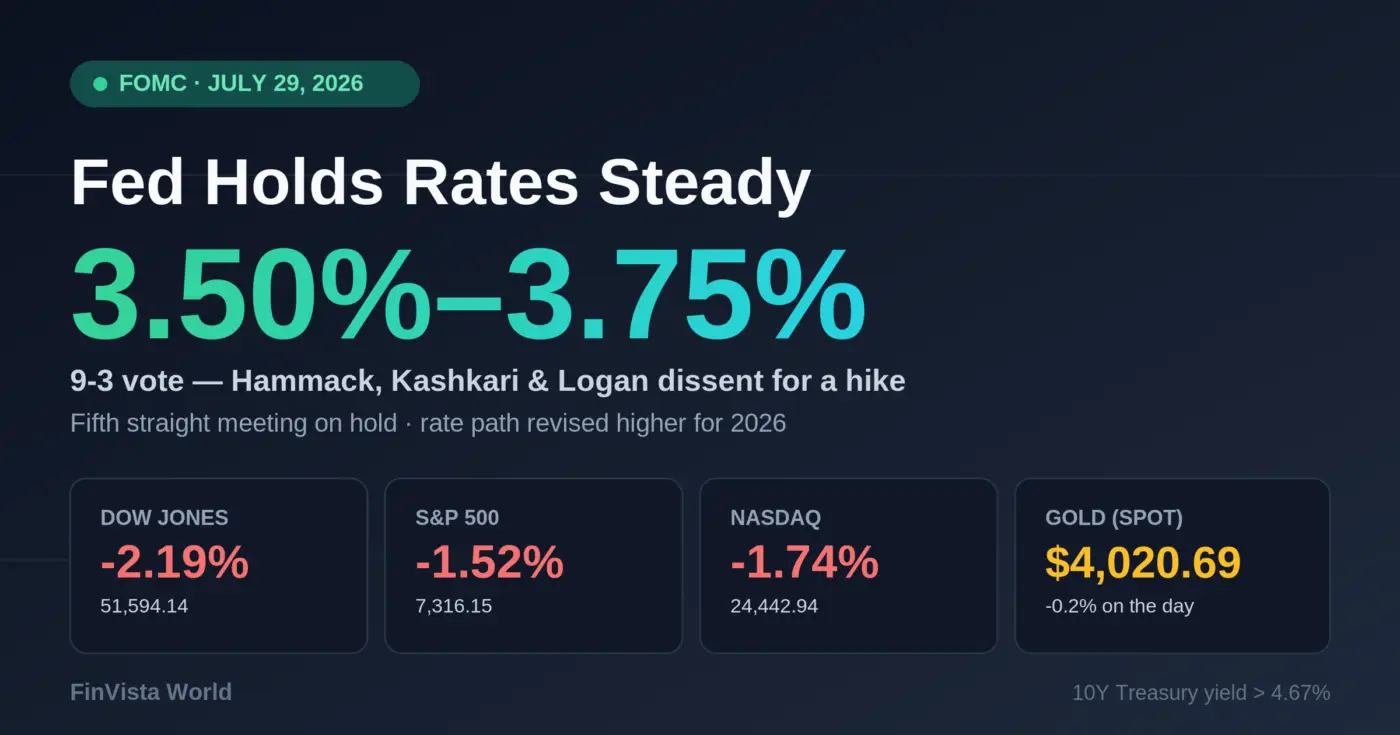 Fed Holds Rates Steady at July 2026 Meeting as Three Officials Dissent, Stocks Tumble