
USD/JPY has broken above the psychologically critical 158.00 level during the Asian trading session — the first time the pair has reached this altitude since April 2026. The move has reignited intense debate about whether Japanese authorities will step in to defend the yen, as they have done in the past. With the Bank of Japan clinging to its ultra-loose monetary policy even as the Federal Reserve keeps rates elevated, the structural pressure on the yen remains intense. This in-depth analysis examines the causes of the yen’s weakness, what the BOJ might do, and how traders can position themselves in this high-risk, high-reward environment.
Why Is the Japanese Yen So Weak?

The root cause of the yen’s sustained weakness is the enormous interest rate differential between Japan and the United States. While the Federal Reserve has kept its benchmark rate at 4.75%–5.00%, the Bank of Japan’s policy rate sits at a mere 0.1%. This creates a powerful incentive for the carry trade — investors borrow in yen at near-zero cost and invest in higher-yielding dollar assets — which continuously suppresses demand for the yen.
Japan’s domestic inflation, while running at approximately 2.8% year-on-year, has not been sufficient to push the BOJ toward aggressive tightening. BOJ Governor Kazuo Ueda has repeatedly emphasized a cautious, data-dependent approach, refusing to commit to a schedule of rate increases. This stance has emboldened yen bears, who see little near-term risk of a hawkish policy reversal from Tokyo.
The Intervention Threat: How Real Is It?

Japan has intervened directly in the currency market on several memorable occasions in recent years — most notably in September 2022 (when USD/JPY was near 145) and again in April–May 2024 (when the pair approached 160). Each intervention involved the Japanese Ministry of Finance instructing the BOJ to sell dollars and buy yen, producing sharp, short-lived moves in the yen’s favor.
Japanese Finance Minister Shunichi Suzuki has now deployed the standard pre-intervention language: the government is “closely monitoring” currency movements with a “sense of urgency” and is prepared to take “decisive action” if necessary. Historically, this exact phrasing has preceded intervention by days or even hours.
Intervention Triggers to Watch
- Speed of move: Authorities tend to react more strongly to rapid, one-way moves than to gradual depreciation
- Key levels: 158.00 and 160.00 are widely viewed as psychological tripwires
- G7 context: Japan is less likely to intervene aggressively if it risks diplomatic friction with G7 partners
- US reaction: The US Treasury monitors trading partners for “currency manipulation”; Japan must tread carefully
BOJ Policy Outlook: Hawkish Pivot Delayed?
Despite rising domestic inflation, the BOJ appears reluctant to pivot meaningfully toward tighter policy. The central bank’s quarterly outlook report continues to project that inflation will gradually return to its 2% target sustainably, but the timeline keeps shifting. Markets had previously priced a 25bps BOJ rate hike for Q2/2026 — a move that now looks increasingly unlikely given mixed economic data and political pressure to avoid choking the fragile economic recovery.
The next BOJ policy meeting is scheduled for late June 2026. The statement will be watched extremely closely for any change in language that might signal a faster path to rate normalization — which would be meaningfully supportive of the yen.
USD/JPY Technical Analysis

Key Support and Resistance Levels
| Level | Price | Description |
|---|---|---|
| Strong resistance | 160.00 | Intervention zone / psychological level |
| Immediate resistance | 158.50 | Current week high |
| Current price | ~158.10 | Post-breakout consolidation |
| Immediate support | 156.80 | Breakout retest zone |
| Strong support | 154.50 | 50-day EMA |
| Intervention target | 152.00–154.00 | Historical post-intervention range |
Momentum Indicators
On the daily chart, USD/JPY’s RSI stands at approximately 68 — elevated but not yet in extreme overbought territory. The pair is trading above all major moving averages (20, 50, 100, and 200-day), confirming the dominant uptrend. However, the MACD histogram is showing early signs of flattening, which may suggest that upside momentum is beginning to fade at these elevated levels.
Trading Strategy for USD/JPY
Bullish approach (no intervention): If Japanese authorities stay on the sidelines, long USD/JPY remains the path of least resistance. Entries on dips toward 156.50–157.00 offer a favorable risk-reward profile, with a stop below 155.80 and a target of 160.00.
Bearish approach (intervention risk): Traders with a short bias can look for signs of intervention — sudden, sharp yen moves with high volume, especially during thin liquidity periods (Asian session close, Tokyo lunch break). A confirmed intervention could send USD/JPY back to 153.00–154.00 rapidly.
Neutral approach: Given the binary nature of intervention risk, some traders may prefer to reduce USD/JPY exposure and wait for clarity from the BOJ meeting or US data before taking a directional stance.
Frequently Asked Questions
What happens if the BOJ intervenes in USD/JPY?
Past BOJ/MoF interventions have produced rapid moves of 3–5% in the yen’s favor within a matter of hours. However, without a fundamental shift in rate differentials, the move tends to be temporary and USD/JPY has historically resumed its uptrend within weeks.
What level will trigger BOJ intervention?
While there is no official trigger level, the 158–160 zone is widely watched. Previous interventions occurred near 145 in 2022 and near 160 in 2024. Authorities are likely more sensitive to the speed of movement than the absolute level.
Is the yen a safe haven?
The yen has traditionally functioned as a safe haven currency in times of global risk aversion, but its safe-haven appeal has been significantly diminished by the BOJ’s ultra-loose policy and the resulting carry trade pressure.
⚠️ Risk Disclaimer: Currency trading involves substantial risk of loss. The information provided is for educational purposes only and should not be considered financial advice. Always use appropriate risk management when trading volatile currency pairs like USD/JPY.
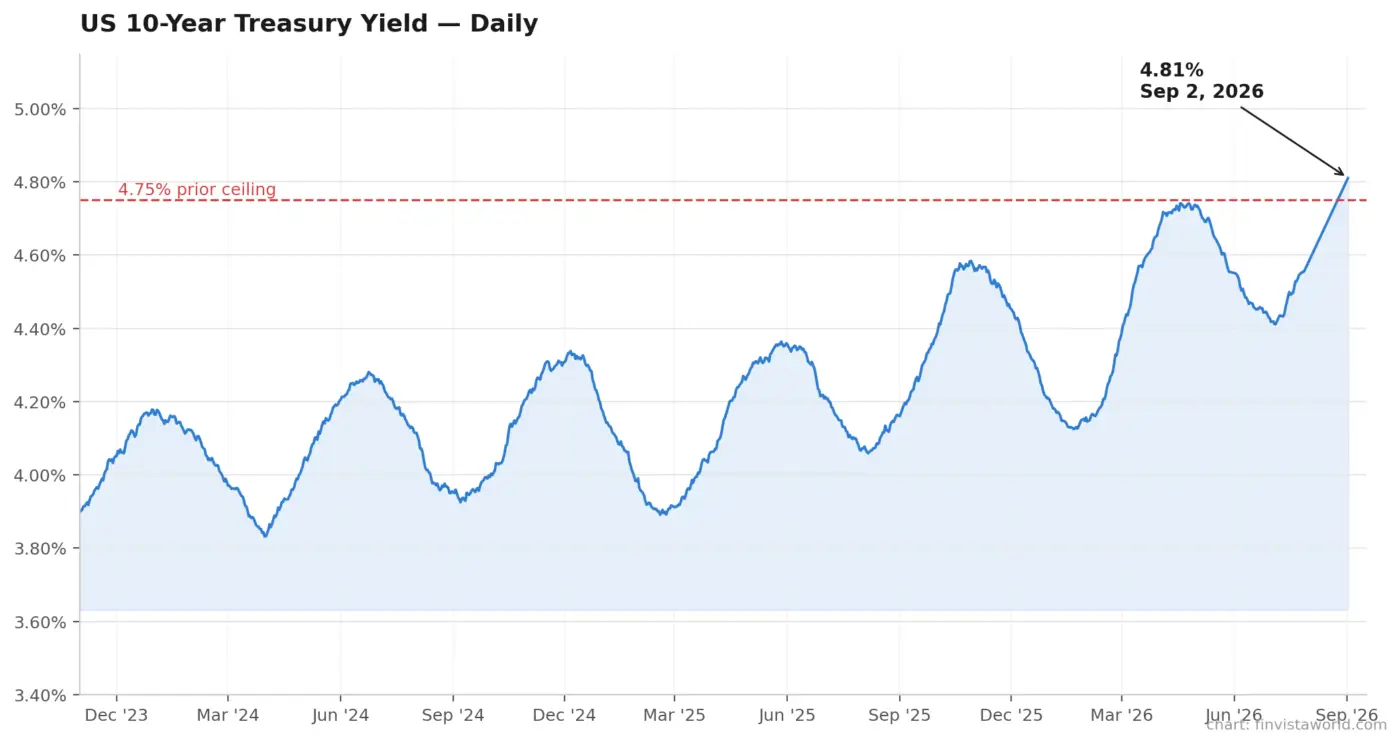 ADP Jobs Miss Collides With Rising Yields: Wall Street Stalls as 10-Year Hits 4.81%
 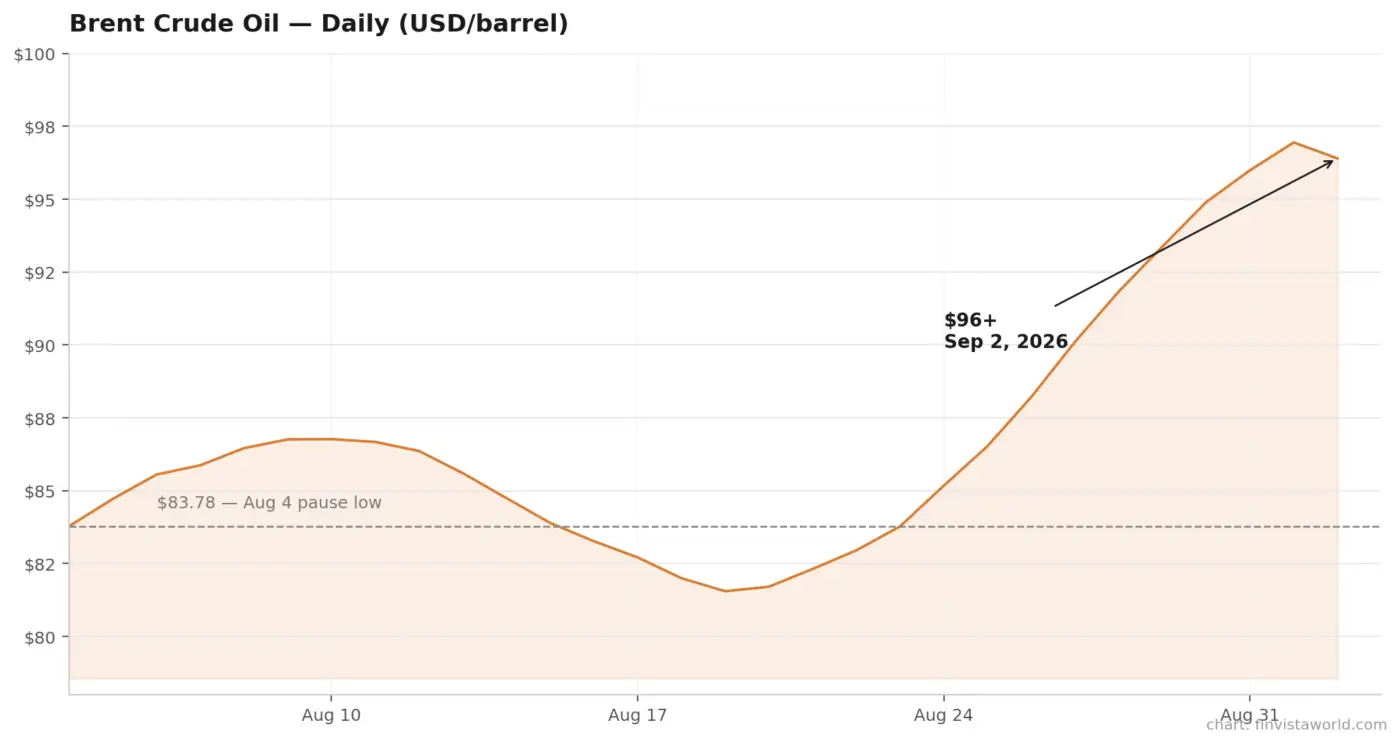 Iran War Reignites: Oil Tops $96, Stocks and Gold Slide Together as Fed Rate-Hike Odds Hit 70%
  Oil Sinks 6%, Dow Hits Record High as Iran Pause Reprices Markets – Crypto Sits It Out
 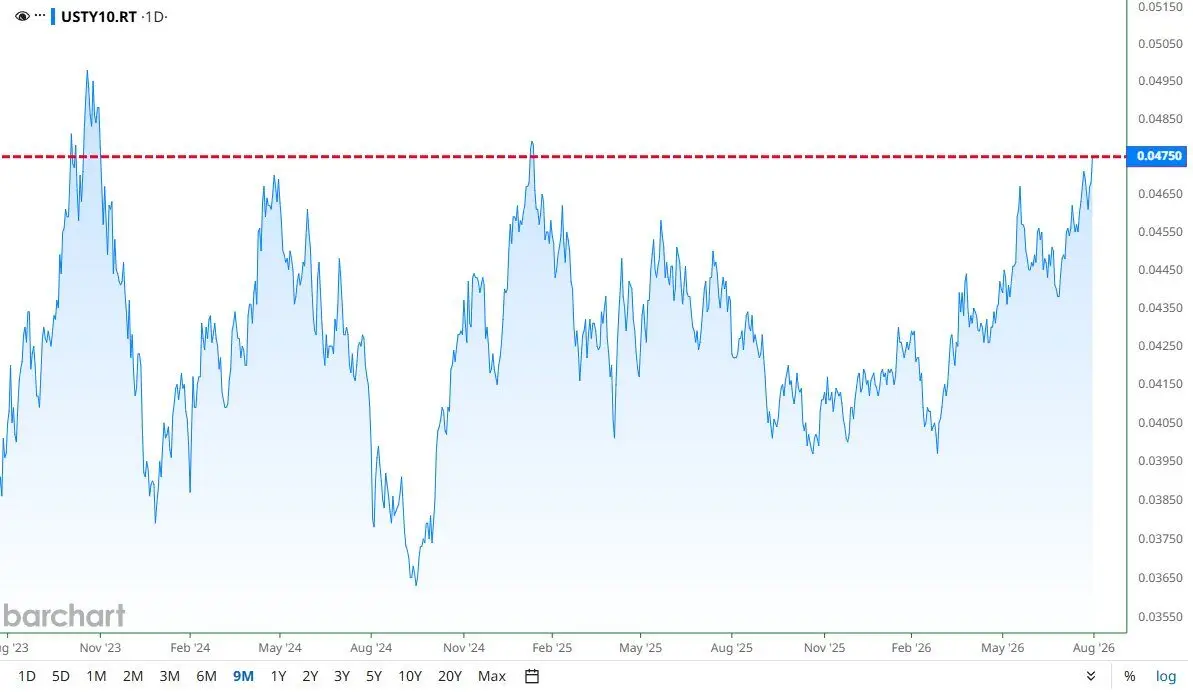 10-Year Yield Hits 4.75%, an 18-Month High – Why the Bond Market Is About to Revolt
  Bond Market Puts Warsh’s 2% Promise to the Test as 30-Year Yield Hits 19-Year High
 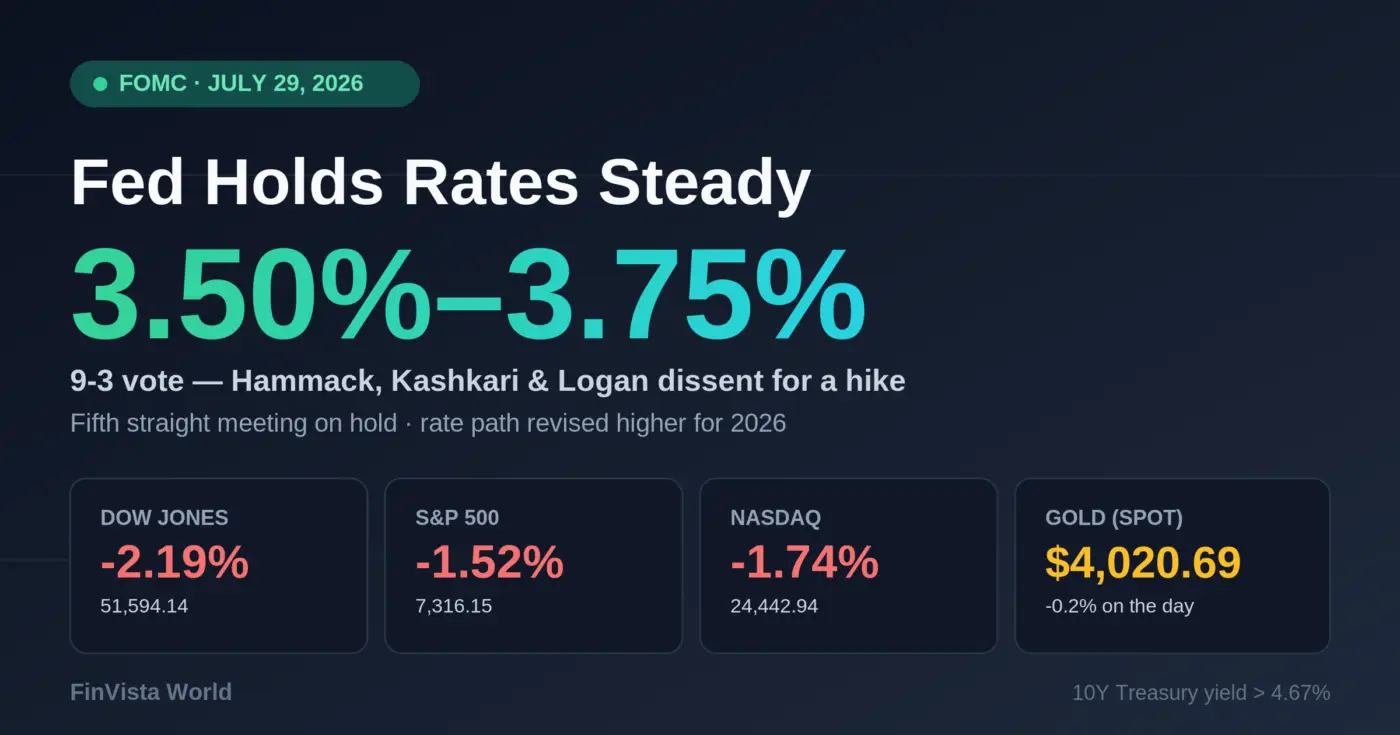 Fed Holds Rates Steady at July 2026 Meeting as Three Officials Dissent, Stocks Tumble