For years, the cryptocurrency industry operated in a regulatory gray zone — tolerated in some jurisdictions, banned in others, and ambiguously positioned in most. In 2026, that era of uncertainty is finally giving way to something resembling regulatory clarity. From the landmark GENIUS Act in the United States to the full implementation of the EU’s MiCA framework, the global legal landscape for digital assets is undergoing its most significant transformation ever. This comprehensive guide examines the most important regulatory developments of 2026, their impact on investors and businesses, and what the continued evolution of crypto regulation means for the industry’s long-term future.
Why Crypto Regulation Matters Now More Than Ever

The debate about whether to regulate cryptocurrency and how is no longer purely theoretical. With global crypto market capitalization exceeding $3.5 trillion and Bitcoin ETFs holding over $120 billion in assets, cryptocurrency has become systemically important in ways that regulators can no longer ignore. Regulatory frameworks serve multiple critical functions: protecting retail investors from fraud and manipulation, establishing clear rules for institutional participation, preventing illicit finance, and enabling innovation to proceed within defined boundaries.
The good news for the industry is that the regulatory trend in 2026 is broadly constructive. Rather than seeking to ban or severely restrict crypto, major jurisdictions are working to integrate digital assets into their existing financial regulatory frameworks — a sign of long-term acceptance rather than rejection.
United States: The GENIUS Act and the End of Regulatory Limbo

GENIUS Act: Stablecoin Framework Established
The Guiding and Establishing National Innovation for U.S. Stablecoins (GENIUS) Act was signed into law in early 2026 following bipartisan support in both chambers of Congress. This legislation represents the first comprehensive federal crypto law in US history and establishes a clear regulatory framework specifically for payment stablecoins.
Key provisions of the GENIUS Act include:
- Reserve requirements: Issuers must maintain 1:1 reserves in high-quality liquid assets (cash, short-term US Treasuries) for every stablecoin in circulation
- Dual regulatory pathway: Issuers can obtain a federal charter supervised by the Office of the Comptroller of the Currency (OCC) or operate under state money transmission licenses with federal oversight
- Algorithmic stablecoin restrictions: A two-year moratorium on new algorithmic stablecoin launches pending further study (following the TerraUST collapse in 2022)
- Transparency requirements: Monthly attestations of reserve holdings, redeemability at par value, and prohibition on hypothecation of reserves
The Act has been widely positive for regulated stablecoin issuers like Circle (USDC) and PayPal (PYUSD), which now have a clear legal path to operate. Conversely, offshore stablecoins without transparent reserves face growing competitive disadvantage in the US market.
SEC and CFTC: Jurisdiction Clarified (Mostly)
The longstanding battle between the Securities and Exchange Commission (SEC) and the Commodity Futures Trading Commission (CFTC) over crypto jurisdiction has been largely resolved. Under guidance issued in Q1/2026: Bitcoin and Ethereum are classified as commodities under CFTC jurisdiction. Most other proof-of-work cryptocurrencies are similarly classified. Most proof-of-stake cryptocurrencies remain in a gray area pending further Congressional action, though the trend is toward commodity classification for established networks. Security tokens and tokens issued through ICOs generally remain under SEC jurisdiction.
European Union: MiCA — A Blueprint for the World

The EU’s Markets in Crypto-Assets (MiCA) regulation came into full effect in January 2026 and is rapidly becoming the global benchmark for crypto regulation. MiCA provides a comprehensive, harmonized regulatory framework that applies across all 27 EU member states — eliminating the patchwork of national rules that previously made EU-wide crypto business operations a compliance nightmare.
What MiCA Covers
MiCA regulates three categories of crypto assets:
- Asset-referenced tokens (ARTs): Stablecoins backed by baskets of currencies or assets (e.g., a euro/dollar stablecoin)
- E-money tokens (EMTs): Stablecoins pegged to a single fiat currency (e.g., a pure EUR stablecoin)
- Other crypto assets: Utility tokens and other assets not covered by existing financial services regulation
Notably, Bitcoin and Ethereum are explicitly excluded from MiCA’s scope as decentralized assets, meaning they continue to be regulated primarily as financial instruments under MiFID II when offered through investment products.
MiCA’s Practical Impact
For businesses, MiCA provides a “crypto passport” — an authorization in one EU member state that grants the right to operate across all 27 countries. This has led to a wave of regulatory applications in crypto-friendly jurisdictions like Luxembourg, Ireland, and Lithuania, from companies seeking EU-wide licenses. For investors, MiCA requires crypto-asset service providers (CASPs) to publish detailed white papers, implement robust AML/KYC procedures, maintain segregation of client assets, and carry professional indemnity insurance.
Asia: A Diverging Landscape
Singapore: The Gold Standard for Asian Crypto Regulation
Singapore continues to position itself as Asia’s premier crypto hub under the Monetary Authority of Singapore’s (MAS) licensing regime. The city-state has granted Major Payment Institution (MPI) licenses to approximately 30 crypto firms and is actively working on regulations for DeFi and tokenized assets. Singapore’s approach is notable for being both rigorous (serious AML/KYC requirements, regular audits) and pragmatic (clear pathways for innovation).
Japan: Tax Reform Boosts the Market
Japan made a significant move in early 2026, reducing the effective tax rate on crypto gains from up to 55% (as miscellaneous income) to a flat 20% capital gains tax — aligned with how the country taxes stocks and bonds. This reform is expected to dramatically increase crypto investment from Japan’s retail investor community, which has historically been among the most engaged in the world but deterred by the punishing tax treatment.
Hong Kong: Competing with Singapore for Crypto Business
Hong Kong has aggressively positioned itself as a crypto hub in 2026, granting licenses to a growing roster of exchanges and launching a retail crypto ETF framework that has attracted significant assets. The city’s approach reflects Beijing’s tacit approval of Hong Kong’s crypto industry as a financial innovation zone.
Vietnam: Digital Asset Decree in Progress
Vietnam — which consistently ranks among the top countries for crypto adoption in global surveys — is actively drafting a decree to provide legal clarity for digital assets. The framework is expected to address crypto exchanges, custody, and taxation, bringing the country’s large crypto market out of the informal economy.
Impact on Crypto Investors: Key Takeaways
- KYC/AML requirements are universal: In virtually every regulated jurisdiction, crypto exchanges and service providers now require identity verification. Privacy-focused traders are finding fewer options for anonymous participation.
- Tax compliance is increasingly enforced: Information sharing between exchanges and tax authorities is expanding. OECD’s Crypto-Asset Reporting Framework (CARF) will require exchanges globally to report user transactions to tax authorities starting in 2027.
- Regulated stablecoins gain advantage: Compliant stablecoins (USDC, PYUSD) are gaining market share over less transparent competitors as institutional platforms require regulatory-grade assets.
- Institutional access expands: Regulatory clarity is the prerequisite for institutional capital. The combination of clear custody rules, ETF approvals, and stablecoin frameworks is accelerating the flow of institutional money into crypto markets.
Frequently Asked Questions
Is crypto legal in the US in 2026?
Yes, cryptocurrency is legal in the United States. The GENIUS Act has established a federal framework for stablecoins, and Bitcoin and Ethereum are regulated as commodities. Crypto exchanges must register with FinCEN and comply with AML/KYC requirements. Tax obligations on crypto gains are clearly established under IRS guidance.
Which country has the most favorable crypto regulations in 2026?
Jurisdictions consistently rated as crypto-friendly include Singapore (rigorous but clear), UAE (Dubai’s VARA framework), Switzerland (historically crypto-positive), and certain EU member states operating under MiCA. Each has different advantages depending on whether you are an individual investor, exchange operator, or DeFi developer.
Will crypto be banned anywhere in 2026?
China’s crypto ban (enacted in 2021) remains in effect, though enforcement is inconsistent. A small number of other countries maintain restrictions. The global trend, however, is firmly toward regulation rather than prohibition.
⚠️ Risk Disclaimer: Regulatory environments can change rapidly. This article reflects the regulatory landscape as of June 2026 and should not be used as legal advice. Always consult a qualified legal professional for advice specific to your jurisdiction and circumstances.
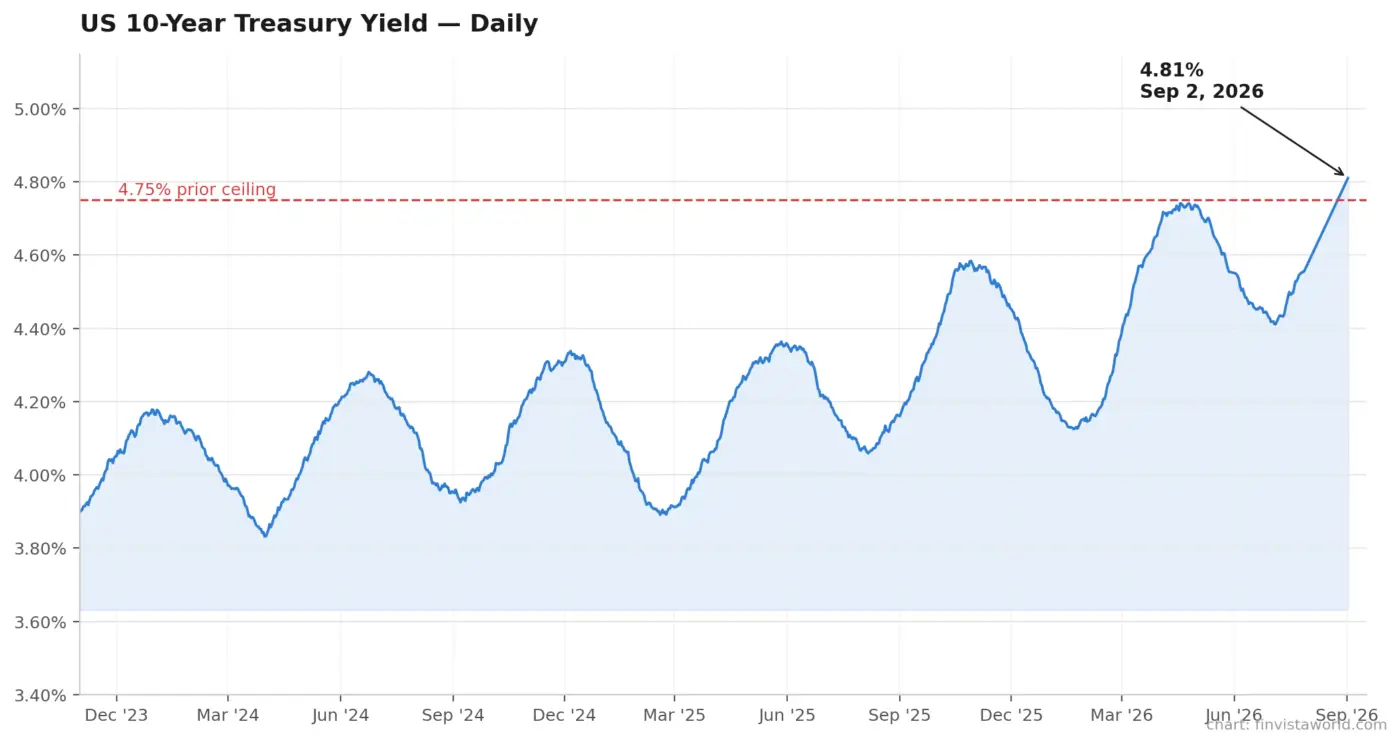 ADP Jobs Miss Collides With Rising Yields: Wall Street Stalls as 10-Year Hits 4.81%
 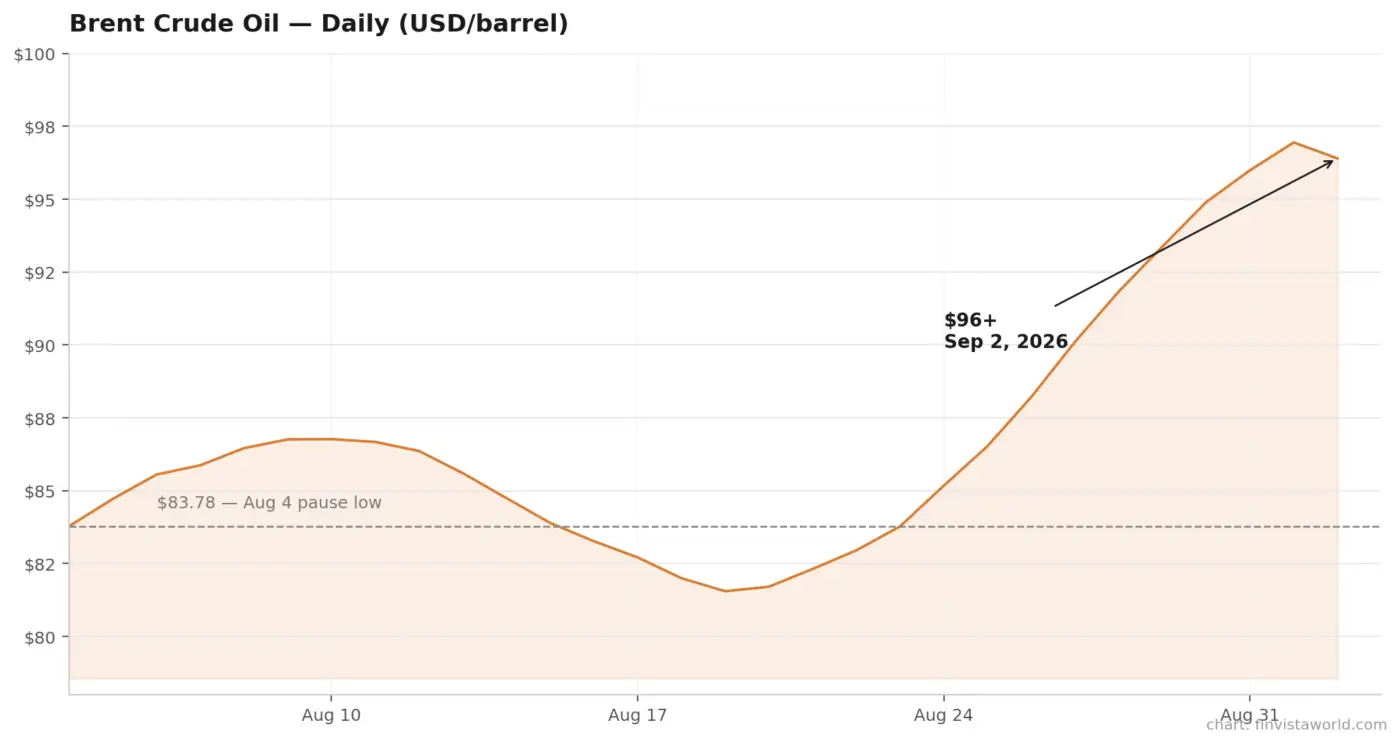 Iran War Reignites: Oil Tops $96, Stocks and Gold Slide Together as Fed Rate-Hike Odds Hit 70%
  Oil Sinks 6%, Dow Hits Record High as Iran Pause Reprices Markets – Crypto Sits It Out
 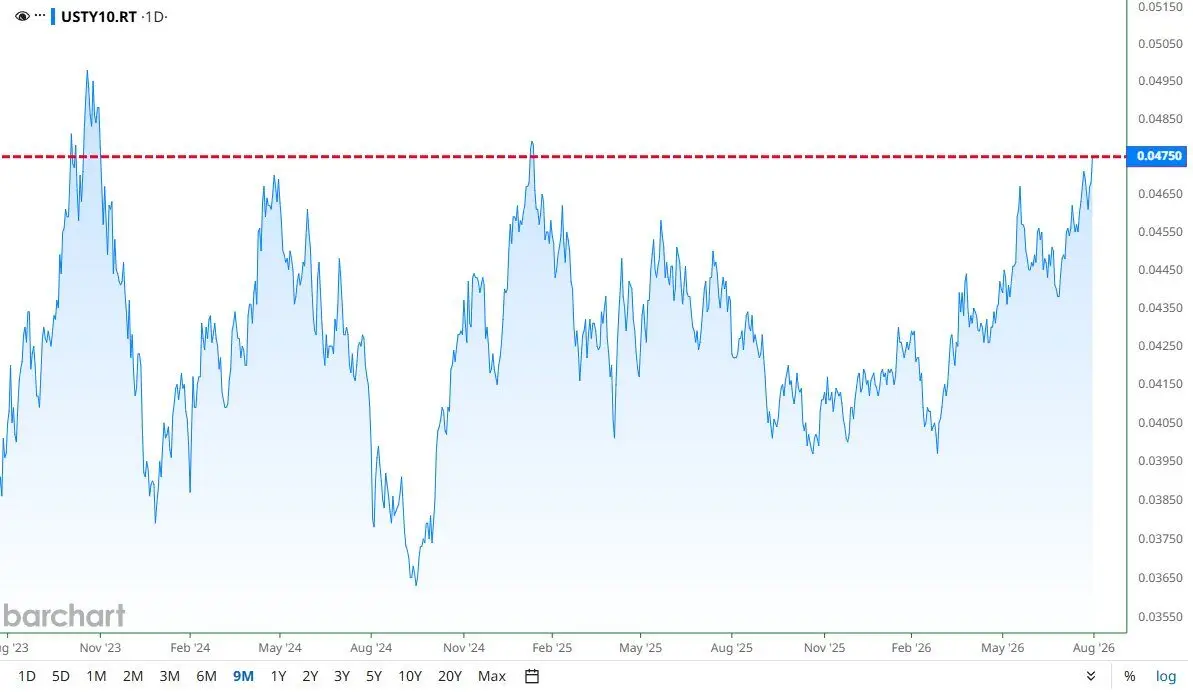 10-Year Yield Hits 4.75%, an 18-Month High – Why the Bond Market Is About to Revolt
  Bond Market Puts Warsh’s 2% Promise to the Test as 30-Year Yield Hits 19-Year High
 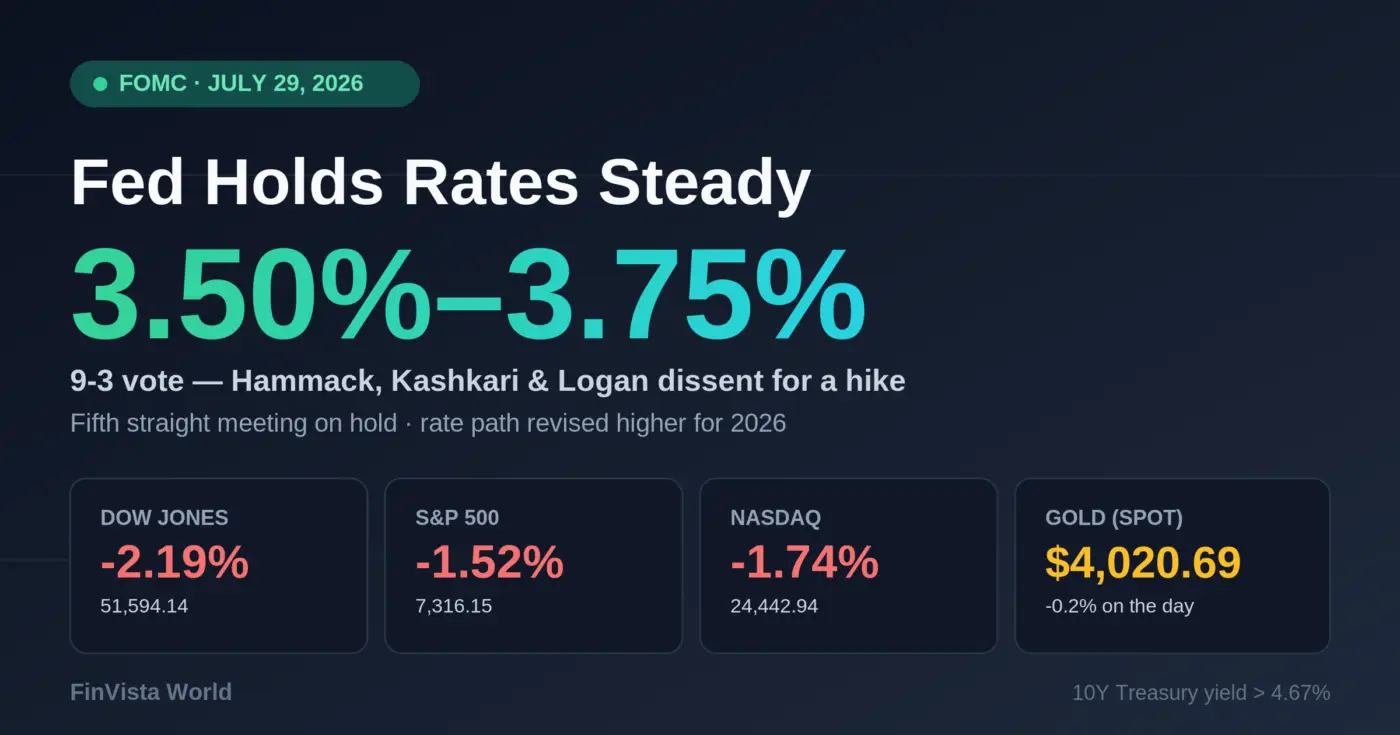 Fed Holds Rates Steady at July 2026 Meeting as Three Officials Dissent, Stocks Tumble