
June 2026 is shaping up to be one of the most eventful months for forex traders in recent memory. With a packed central bank calendar, high-impact economic data releases from both sides of the Atlantic, and ongoing geopolitical uncertainty, the currency market is offering a wealth of opportunities for informed traders. In this comprehensive guide, we break down the five most actively traded currency pairs this month, examining the key fundamental drivers, technical setups, and trading strategies relevant to each. Whether you are a seasoned professional or an intermediate trader looking to sharpen your edge, this overview will help you navigate the forex market in June 2026 with greater confidence.
Why Currency Pair Selection Matters

Not all currency pairs are created equal. The major pairs — those involving the US dollar — account for approximately 75% of global daily forex turnover, which exceeds $7.5 trillion. Trading the most liquid pairs offers several tangible advantages: tighter bid-ask spreads, deeper order books, more reliable technical patterns, and greater availability of quality research and analysis. Understanding which pairs are most active in any given month — and why — is a foundational skill for any serious forex trader.
1. EUR/USD — The World’s Most Traded Currency Pair

EUR/USD consistently accounts for approximately 23% of total daily global forex volume, making it the undisputed king of the currency market. In June 2026, the pair is particularly active due to the sharp policy divergence between the US Federal Reserve (hawkish, holding rates at 4.75%–5.00%) and the European Central Bank (dovish, moving toward further rate cuts).
Key characteristics this month:
- Average daily range: 75–90 pips
- Typical spread (ECN): 0.1–0.3 pips
- Best trading sessions: London open (08:00–12:00 GMT) and NY open overlap (13:00–17:00 GMT)
- Key driver: Fed vs. ECB rate differential
The pair is currently in a downtrend on the daily chart, with price holding below the 20-day SMA. Traders are watching the 1.0700 support level as the next major test.
2. GBP/USD — “Cable” Volatility Surges Around UK Data
GBP/USD, affectionately known as “Cable” by veteran traders, is the second-most traded pair globally. The British pound has been exceptionally volatile in June 2026, driven by higher-than-expected UK inflation data (CPI at 3.2% vs. 2.9% forecast) and uncertainty about the Bank of England’s next move.
Key characteristics this month:
- Average daily range: 110–130 pips
- Typical spread (ECN): 0.3–0.5 pips
- Best trading sessions: London session and overlap with New York
- Key driver: UK inflation and BOE rate expectations
The upcoming Bank of England meeting on June 13 is the key event to watch. If the BOE signals it is in no rush to cut rates given sticky inflation, GBP could see a sharp rally. Conversely, any dovish language could push GBP/USD back toward 1.2700.
3. USD/JPY — The Carry Trade King Under Pressure
USD/JPY has surged to multi-month highs above 158.00, driven by the BOJ’s reluctance to tighten policy in a meaningful way while US rates remain elevated. This pair has become the most-watched in the forex market given the escalating threat of Japanese government intervention.
Key characteristics this month:
- Average daily range: 120–160 pips (elevated due to intervention risk)
- Typical spread (ECN): 0.2–0.4 pips
- Best trading sessions: Tokyo open (00:00–04:00 GMT) and NY session
- Key driver: BOJ policy and Japanese MoF intervention signals
Risk management is paramount when trading USD/JPY in the current environment. The possibility of sudden, sharp intervention-driven moves means that standard stop-loss levels may be triggered without warning.
4. AUD/USD — Commodity Prices and China PMI in Focus

The Australian dollar is highly sensitive to commodity prices — particularly iron ore, copper, and coal — and to economic developments in China, which is Australia’s largest trading partner. In June 2026, improving Chinese manufacturing PMI data (printing at 51.3, back in expansion territory) and firmer commodity prices are providing a tailwind for AUD.
Key characteristics this month:
- Average daily range: 60–80 pips
- Typical spread (ECN): 0.2–0.4 pips
- Best trading sessions: Sydney open (22:00–06:00 GMT) and London overlap
- Key driver: Chinese economic data, iron ore prices, RBA policy
AUD/USD is currently testing a key resistance zone at 0.6680. A breakout above this level could trigger a move toward 0.6750. The Reserve Bank of Australia (RBA) is expected to hold rates at its June meeting, which should provide a neutral backdrop for the Aussie dollar.
5. USD/CAD — WTI Oil Drives the “Loonie”
The Canadian dollar (CAD) moves in close correlation with crude oil prices, given that Canada is one of the world’s largest oil exporters. WTI crude oil has edged back toward $79 per barrel in June — up from lows near $74 in April — which is providing moderate support for CAD and pulling USD/CAD lower.
Key characteristics this month:
- Average daily range: 70–90 pips
- Typical spread (ECN): 0.2–0.4 pips
- Best trading sessions: New York session (overlap with North American oil market hours)
- Key driver: WTI crude oil price, Bank of Canada policy, US data
The Bank of Canada cut rates in May 2026, and markets are pricing another cut in July. This dovish BOC stance is a headwind for CAD, partially offsetting the oil price support. USD/CAD is trading in a range of 1.3550–1.3650 and awaiting a catalyst for a directional break.
Forex Trading Tips for June 2026
- Trade around the calendar: Central bank meetings, NFP, CPI, and PMI releases can produce outsized moves — plan your positions accordingly
- Respect support and resistance: In choppy, news-driven markets, technical levels gain added importance as anchors for position sizing
- Manage carry trade risks: USD/JPY’s elevated level exposes long positions to sudden intervention risk — keep positions sized conservatively
- Use limit orders where possible: In volatile conditions, market orders can result in significant slippage, especially around data releases
Frequently Asked Questions
Which forex pair is easiest to trade for beginners?
EUR/USD is widely recommended for beginner traders due to its high liquidity, tight spreads, abundant educational resources, and relatively predictable technical behavior. It is less prone to the sudden sharp moves that characterize pairs like USD/JPY or exotic currencies.
What is the best time to trade forex in June 2026?
The most active and liquid trading window is the London–New York overlap, running from approximately 13:00 to 17:00 GMT. This period typically sees the highest volume, tightest spreads, and the most reliable technical pattern execution.
How much capital do I need to start forex trading?
Many regulated brokers allow accounts to be opened from as little as $100–$500. However, professional risk management standards suggest that a minimum of $1,000–$5,000 is needed to trade meaningful position sizes while keeping risk per trade below 2% of account equity.
⚠️ Risk Disclaimer: Forex trading involves a high level of risk and may not be suitable for all investors. The content provided is for educational purposes only and does not constitute financial advice. Always trade with capital you can afford to lose.
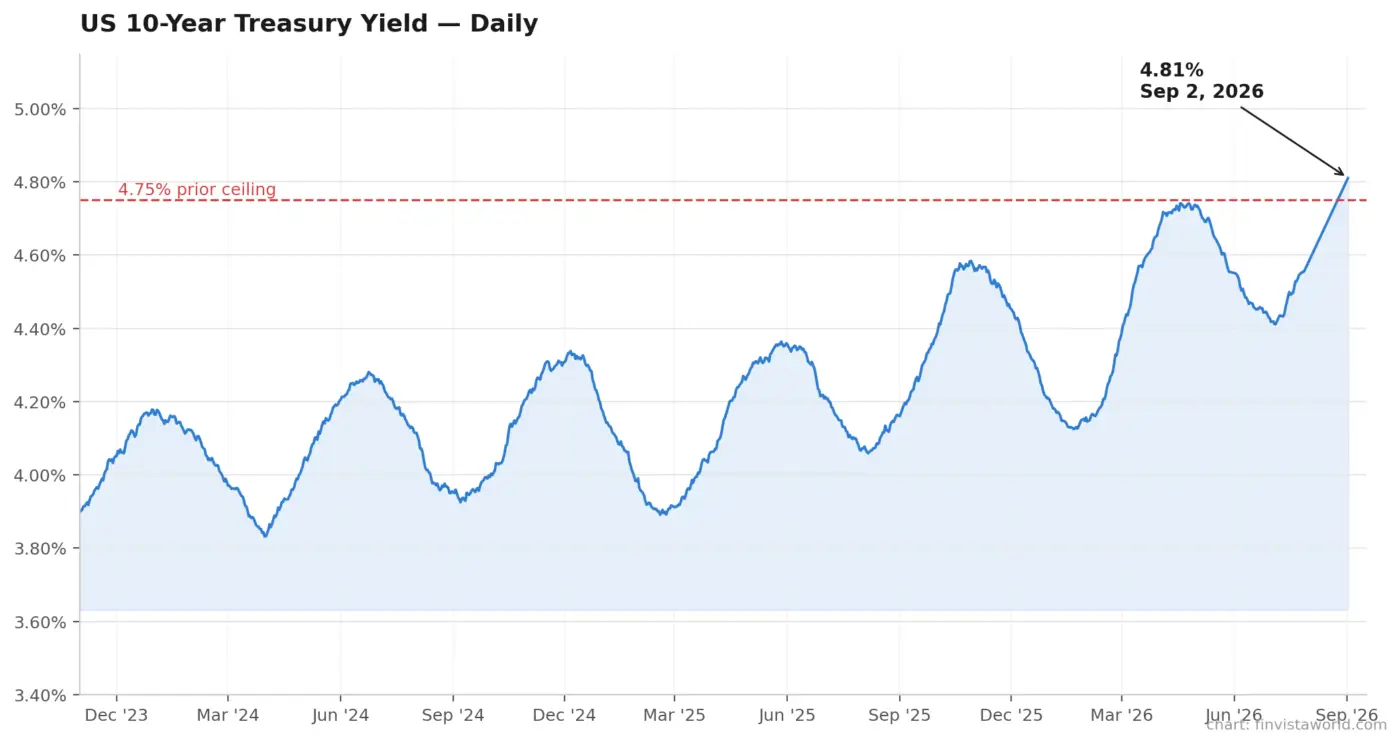 ADP Jobs Miss Collides With Rising Yields: Wall Street Stalls as 10-Year Hits 4.81%
 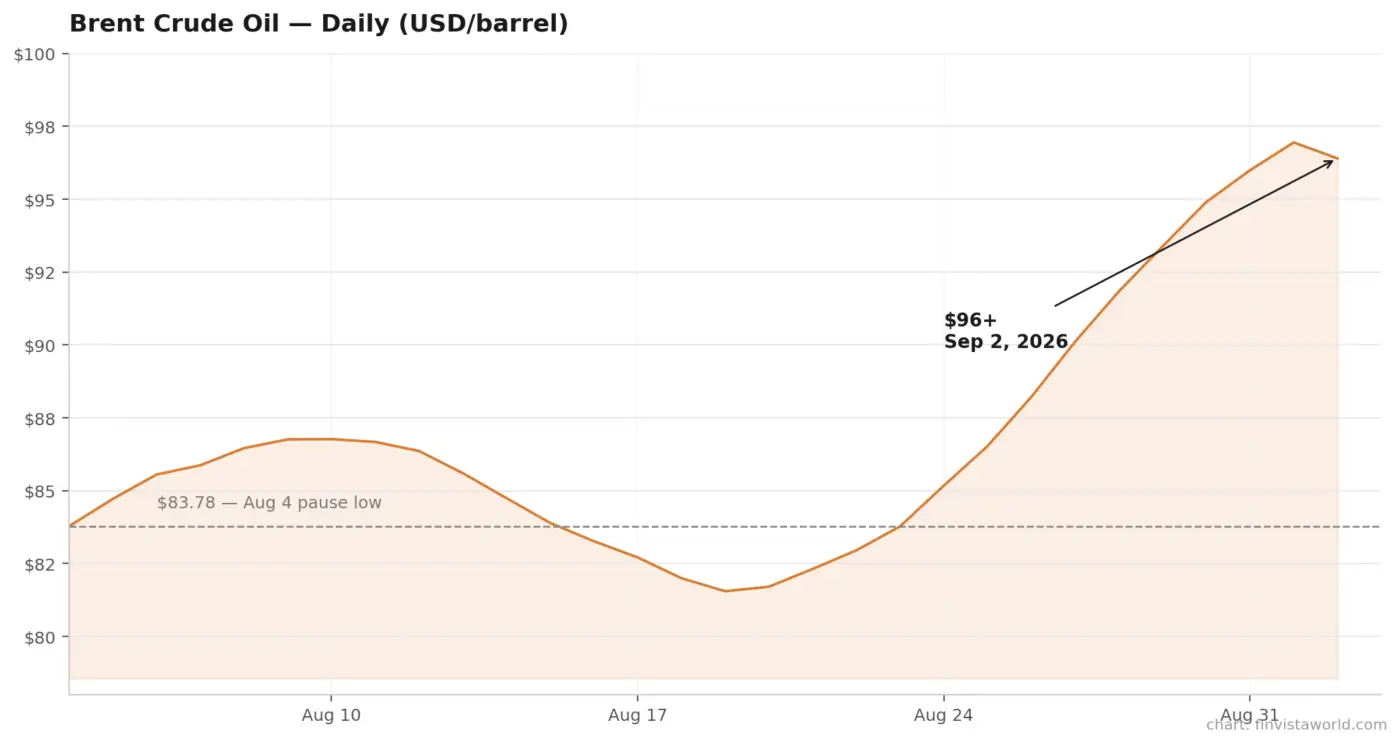 Iran War Reignites: Oil Tops $96, Stocks and Gold Slide Together as Fed Rate-Hike Odds Hit 70%
  Oil Sinks 6%, Dow Hits Record High as Iran Pause Reprices Markets – Crypto Sits It Out
 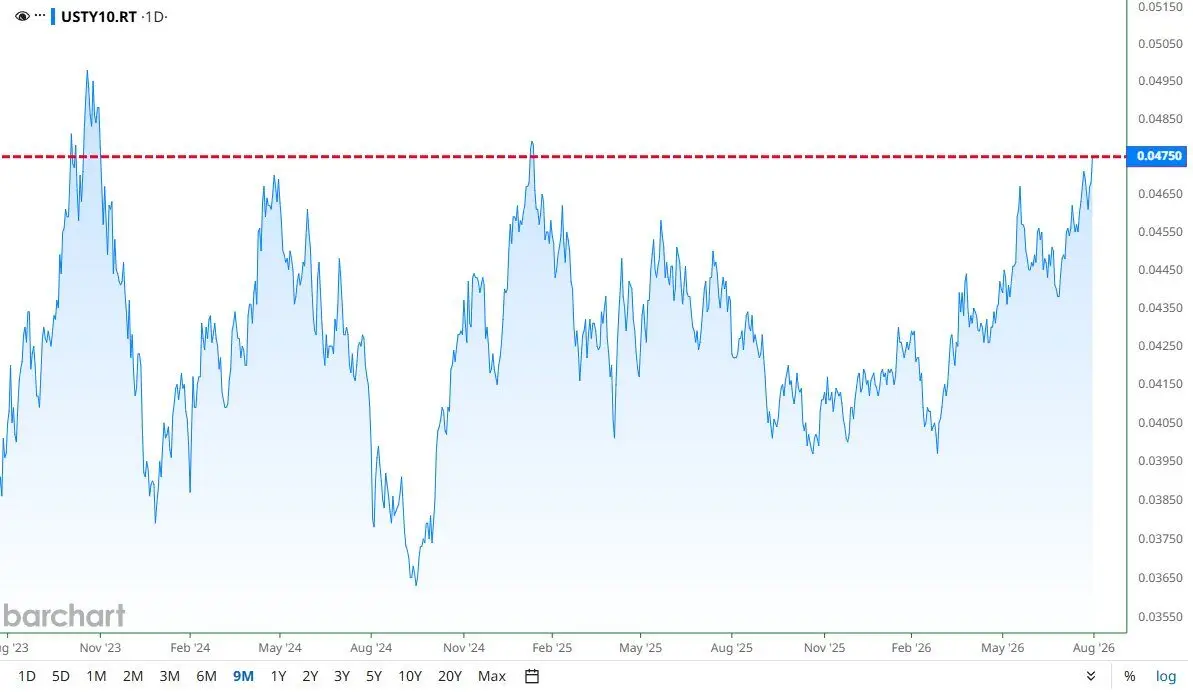 10-Year Yield Hits 4.75%, an 18-Month High – Why the Bond Market Is About to Revolt
  Bond Market Puts Warsh’s 2% Promise to the Test as 30-Year Yield Hits 19-Year High
 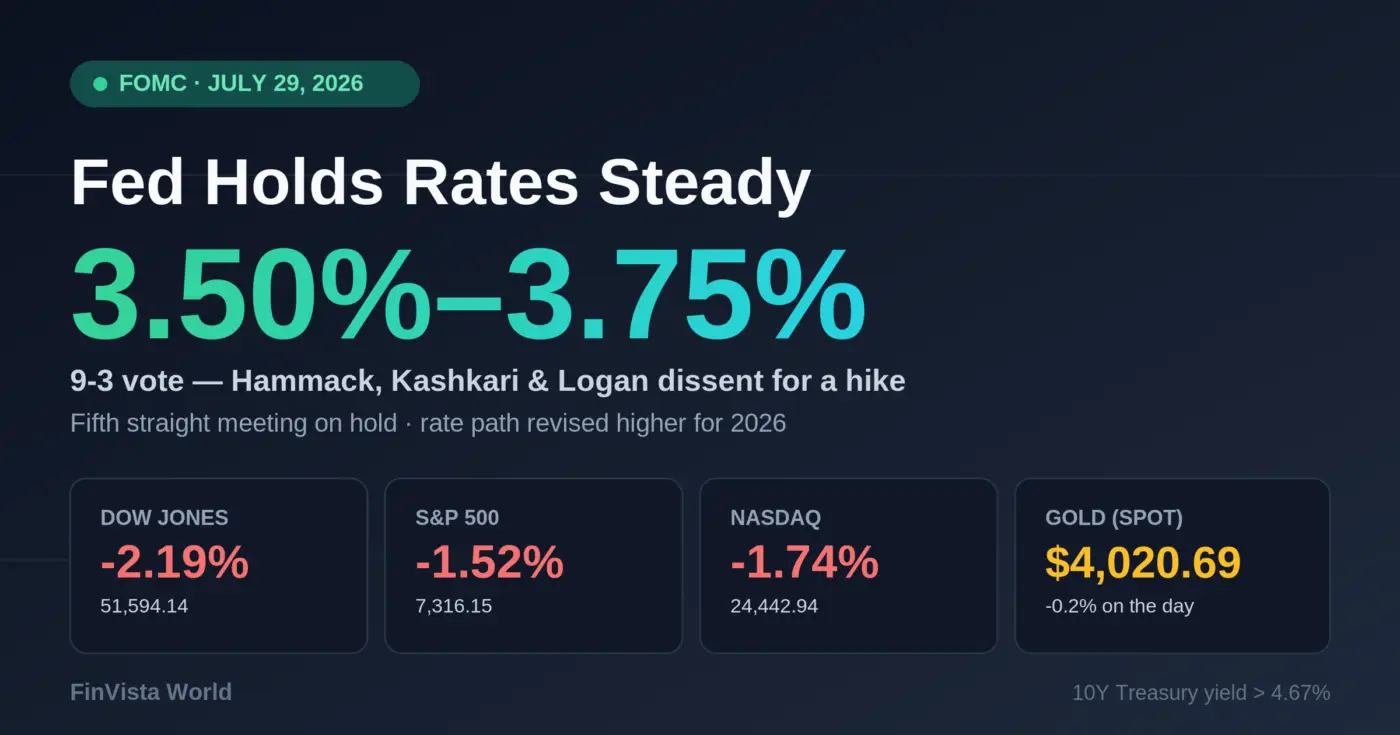 Fed Holds Rates Steady at July 2026 Meeting as Three Officials Dissent, Stocks Tumble